AKSA Power Deal Controversy: Why Ghana's Anti-Corruption Response Lags Behind Turkish Justice

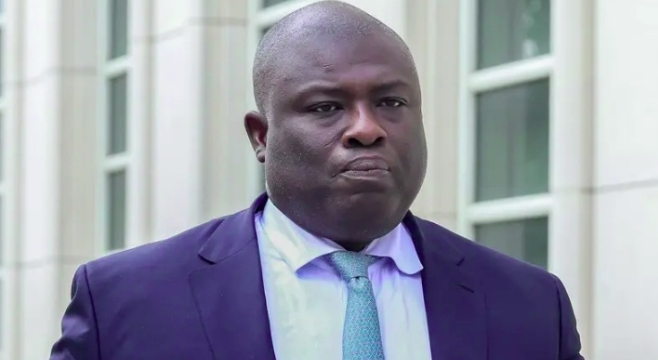
A prominent Ghanaian legal analyst has raised serious questions about the government's response to corruption allegations tied to the controversial AKSA power deal, following the conviction of a former Tema Oil Refinery managing director in Turkey. The scrutiny highlights a potential gap between international accountability and domestic action in one of Ghana's most contentious power contracts.
The AKSA deal, which has been at the centre of Ghana's energy sector controversy for years, involved arrangements that have drawn criticism from transparency advocates and civil society groups. The recent conviction abroad has reignited debate about whether Ghanaian authorities have adequately investigated and acted against local players allegedly involved in wrongdoing.
The Unanswered Questions on Ghana's Role
Legal expert Kpebu has pointedly asked what steps Ghana's Special Prosecutor—responsible for investigating and prosecuting corruption cases—has taken regarding Ghanaians or Ghanaian institutions that may have been complicit in the alleged irregularities. This question strikes at a core concern: while the conviction of a foreign official demonstrates international accountability mechanisms at work, it does not automatically explain parallel investigations or prosecutions in Ghana.
The expert's position reflects broader frustration among anti-corruption advocates that high-profile cases involving Ghana sometimes see justice served elsewhere while domestic accountability remains unclear or delayed. Without transparency about ongoing investigations or completed actions by Ghana's anti-corruption institutions, public confidence in these agencies can erode.
Why It Matters for Ghana
Ghana has committed to strengthening its anti-corruption framework and public trust in institutions. The AKSA case is emblematic of how energy sector deals—critical to the nation's economy—have occasionally been clouded by allegations of impropriety. How Ghana responds to corruption in such strategically important contracts affects not only the rule of law but also investor confidence and the nation's international reputation.
The Special Prosecutor's office operates with a mandate to act in the public interest. Citizens and stakeholders have a legitimate right to know whether investigations have been launched, are ongoing, or have concluded. Silence or lack of clarity can breed suspicion and undermine institutional credibility.
Energy sector transparency is particularly crucial for Ghana, given the sector's importance to government revenue and economic planning. Public scrutiny of major power contracts—including their award, execution, and any associated wrongdoing—helps ensure taxpayer money is properly managed and competitive processes are fair.
The Path Forward
Kpebu's intervention suggests that clarity is urgently needed. Whether the Special Prosecutor's office has findings to announce, investigations still underway, or reasons why certain cases were not pursued, communicating this to the public would address questions about the completeness of Ghana's anti-corruption response. Transparency at this level also demonstrates that accountability is not reserved for foreign jurisdictions alone.
The broader lesson is that Ghana's anti-corruption institutions must be equally vigilant about pursuing wrongdoing at home as international counterparts have been abroad. Public confidence in these institutions depends on visible, consistent action.
Source: 3News


Comments (0)
Be the first to comment.