Former TOR Boss Convicted in US for Corruption; Cudjoe Calls Out Co-conspirators

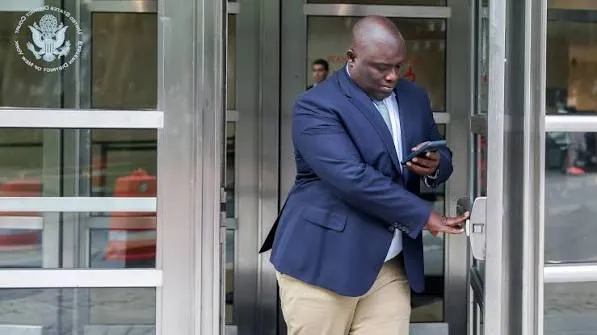
A former Managing Director of Tema Oil Refinery (TOR), Asante Kwaku Berko, has been convicted by a United States federal jury in Brooklyn, New York, on charges of conspiracy to violate the Foreign Corrupt Practices Act (FCPA) and related offences. The conviction marks a significant moment in Ghana's ongoing battle against corporate corruption and has prompted prominent anti-corruption advocate Franklin Cudjoe to issue a stark warning to others allegedly involved in the scheme.
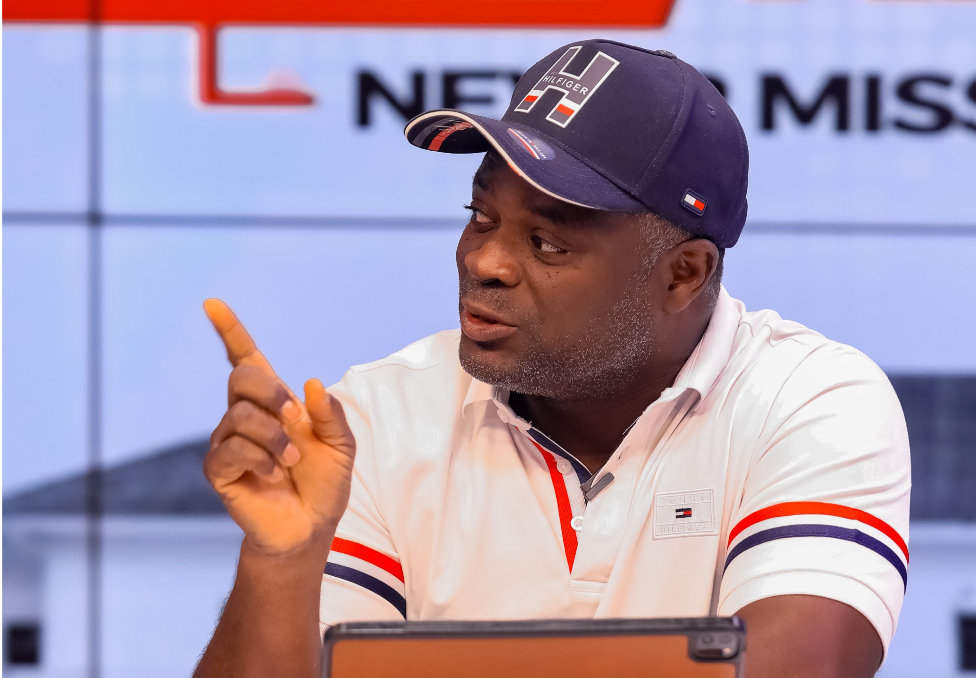
Following the guilty verdict, Cudjoe, a vocal campaigner for transparency and accountability, publicly challenged anyone who may have participated in bribery related to the case to come forward voluntarily. His remarks underscore the gravity of the conviction and suggest that US authorities possess evidence implicating additional individuals in corrupt dealings at the state-owned refinery.
Understanding the FCPA Conviction
The Foreign Corrupt Practices Act is a US federal law that prohibits American persons and companies from paying bribes to foreign officials to obtain or retain business. Prosecutions under the FCPA typically involve allegations that individuals or entities made improper payments to secure contracts, licences, or other business advantages in foreign countries. The conviction of Berko signals that US law enforcement has investigated and successfully prosecuted corrupt practices connected to Ghana's petroleum sector, a critical industry for the nation's economy.
TOR is Ghana's state-owned oil refinery and a crucial institution in the country's energy infrastructure. Corruption at such a strategic institution can undermine operational efficiency, inflate costs, reduce government revenue, and damage public trust in state enterprises.
Why It Matters for Ghana
This conviction carries significant implications for Ghana's corruption narrative and governance standards. First, it demonstrates that corrupt actors in Ghana cannot escape accountability simply by operating within the country's borders. US prosecutorial reach and international legal frameworks mean that Ghanaian officials and business persons engaged in bribery schemes face real legal consequences abroad.
Second, Cudjoe's call for others to confess suggests that the US investigation may have uncovered a broader network of corruption than just Berko's individual culpability. If additional co-conspirators—whether Ghanaian or foreign—are implicated, the case could expose systemic problems in how TOR conducts business and awards contracts.
Third, the conviction reinforces growing pressure on Ghana's anti-corruption institutions to strengthen oversight of state-owned enterprises. Local agencies must demonstrate they can investigate and prosecute similar cases within Ghana's own judiciary, rather than relying on foreign law enforcement to hold Ghanaian public officials accountable.
The Road Ahead
Cudjoe's public statement serves a dual purpose: encouraging potential witnesses or co-conspirators to cooperate with authorities, and signalling to the Ghanaian public that corruption in high places is increasingly difficult to conceal. If others do come forward, it could lead to further prosecutions and shed light on how corruption operated within TOR during Berko's tenure.
For Ghana's government and civil society, the case underscores the need for stronger internal controls, transparency in contract procurement, and accountability mechanisms that do not depend on external prosecution. The conviction of a former national institution head also sends a message that no position is too senior to shield someone from justice, provided evidence is sufficient and foreign authorities are willing to pursue the case.
Source: 3News

Comments (0)
Be the first to comment.