What Berko's US Conviction Teaches Ghana About Corruption and Accountability
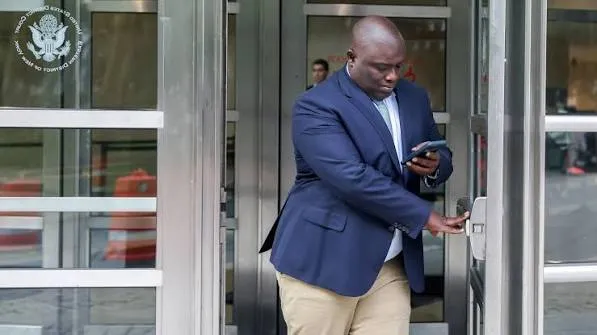
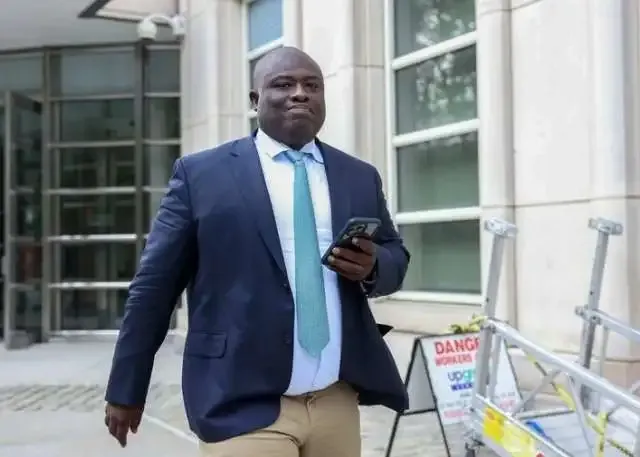
The conviction of Asante Kwaku Berko, the former Tema Oil Refinery managing director, by a federal jury in Brooklyn on charges of violating the U.S. Foreign Corrupt Practices Act marks a significant moment for Ghana's understanding of how corruption is pursued and prosecuted internationally. Berko was found guilty of paying over $1 million in bribes to Ghanaian government officials in connection with a power-plant project. The case, which culminated in a nine-day trial, carries profound implications for how Ghanaians should think about corruption, accountability and the long arm of international law.
The Two Sides of Corruption
A fundamental lesson from Berko's case is one that often gets overlooked in Ghana's corruption discourse: bribery requires two participants. For every person offering money, there is someone accepting it. When we focus exclusively on condemning corrupt officials who take bribes, we risk ignoring the businesspeople and intermediaries actively engineering these transactions. Berko did not simply encounter corrupt officials demanding payment; he was accused of deliberately structuring deals to channel millions through intermediaries to facilitate bribes. Both parties are authors of the corruption, not victims of it. A serious anti-corruption system must therefore investigate and pursue both the giver and the taker with equal vigour.
Why It Matters for Ghana
The Berko case illuminates several critical issues for Ghana. First, corruption investigations can span years. Berko was appointed TOR managing director in January 2020 but resigned within months after U.S. authorities announced allegations. The U.S. Securities and Exchange Commission had separately accused him of funnelling millions through intermediaries. He settled that civil case in June 2021 for $275,000 plus interest, without admitting wrongdoing. The criminal conviction came years later. This timeline demonstrates that Ghanaian officials and business figures cannot assume that domestic impunity or delayed prosecution means safety. International authorities may be building cases quietly, and those cases can eventually reach the courts.
Second, the United States has historically focused its Foreign Corrupt Practices Act enforcement on the supply side—those offering bribes—rather than the receiving end. This created an asymmetry: a foreign businessman could be prosecuted under the FCPA for paying a bribe to a Ghanaian official, but the official might not face the same exposure under that particular law. However, America has now expanded its approach. The Foreign Extortion Prevention Act (FEPA), enacted more recently, allows the U.S. to prosecute foreign officials who corruptly demand or accept bribes. This represents a significant shift in international anti-corruption enforcement.
However, there is an important caveat for Ghanaians: FEPA cannot be applied retroactively. Berko's alleged scheme ran from December 2014 to March 2017—before FEPA existed. This means Ghanaian officials involved in those transactions cannot automatically be prosecuted under FEPA for receiving payments. But this does not mean they face no exposure. Other U.S. laws, including money-laundering statutes, may apply depending on how funds moved and were concealed. Ghana's own laws certainly apply.
Implications and Next Steps
The Berko conviction serves as a warning to Ghanaian business leaders and officials. International business deals involving government contracts demand scrutiny. Payments routed through consultants, intermediaries or obscure entities invite investigation. The pattern Berko followed—using intermediaries to funnel payments—is precisely the type of conduct that international authorities are trained to detect and prosecute. Ghana's own anti-corruption institutions would be wise to examine how similar schemes might be operating domestically, even if they fall below the radar of international enforcement. The lesson is clear: corruption files do not simply disappear with time, and the international community's capacity and willingness to pursue these cases continues to expand.
Source: MyJoyOnline


Comments (0)
Be the first to comment.