Ghana's Constitutional Overhaul Begins: Government Launches Implementation Committee to Reform 1992 Constitution
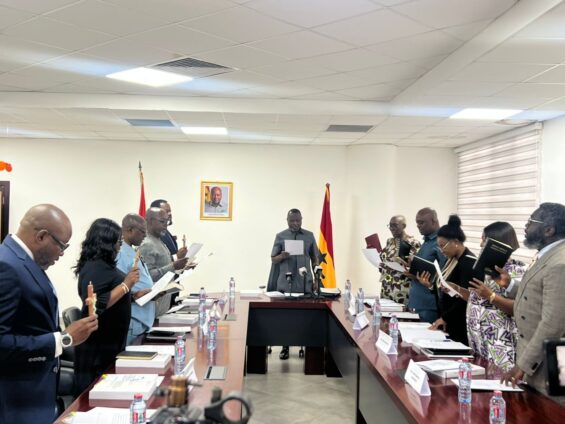
Ghana's long-awaited constitutional reform process has entered a critical new phase with the inauguration of an 11-member Constitution Review Implementation Committee (CRIC) by Attorney General Dr Dominic Akuritinga Ayine. The committee, chaired by former Attorney General Marietta Agyeiwaa Brew, will now work to translate recommendations from the Constitution Review Committee into actionable proposals for reforming the country's 1992 Constitution.
This move represents a significant step forward following months of deliberation. The government recently released its position paper responding to recommendations from the Constitution Review Committee, which was led by Professor H. Kwesi Prempeh. The new implementation committee has been explicitly tasked with bridging the gap between these recommendations and practical constitutional amendments that can be presented to Parliament and Ghanaians for consideration.
Committee Composition and Structure
The 11-member CRIC brings together representatives from key stakeholder groups to ensure broad input into the reform process. Beyond Chair Brew, the committee includes Dr Justice Srem Sai, Thomas Ampem Nyarko, Charlotte Osei, Dr Rainer Akumperigya, Emelia Ankomah, Kwame Ayimadu Antwi, Samuel Passah, Oliver Baker Vormawor, Salamatu Iliasu and Eric Owusu-Mensa.
Significantly, both parliamentary factions are represented: Emelia Ankomah represents the Majority whilst Kwame Ayimadu Antwi represents the Minority. Samuel Passah brings the voice of local government, ensuring that reforms consider governance at all levels. Oliver Baker Vormawor serves as Secretary, whilst Salamatu Iliasu acts as Draftsperson—a crucial role given the technical nature of constitutional amendments.
Why This Matters for Ghana
Ghana's 1992 Constitution has served the nation for over three decades, but calls for reform have grown louder in recent years. The Constitution Review Committee's work, culminating in its comprehensive report, identified various areas where the nation's founding legal document could be strengthened to better serve contemporary Ghana and enhance democratic governance.
The creation of this implementation committee signals that the government intends to move beyond consultation into concrete action. However, constitutional reform in Ghana is inherently complex and politically sensitive. The constitution touches every aspect of national governance—from presidential powers to parliamentary functions, from judicial independence to human rights protections. Any amendments will require careful drafting and substantial political consensus to succeed.
For ordinary Ghanaians, the success of this committee's work could directly affect how the country is governed for the next generation. Potential reform areas, while not yet detailed in this announcement, typically address questions about the balance of power between the executive and legislature, strengthening of independent institutions, and clarification of citizens' rights and responsibilities.
The government has emphasised its commitment to an inclusive and transparent process, stating that any constitutional review must reflect the true aspirations of Ghanaians and strengthen democratic governance. The CRIC's next task will be to develop a comprehensive framework showing how the accepted recommendations can be implemented, likely through a series of constitutional amendments that will eventually require parliamentary approval and potentially national referendum.
This process typically takes considerable time, but the establishment of this dedicated implementation committee suggests the government intends to maintain momentum on what has been a long-running national conversation about Ghana's constitutional future.
Source: Today GH

Comments (0)
Be the first to comment.