
IEA backs plan to bar MPs from serving as ministers, citing parliamentary independence concerns
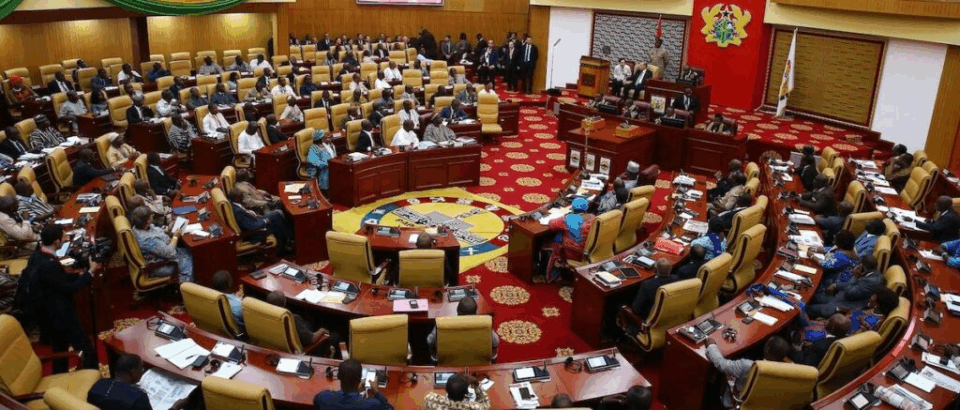

Ghana's Institute of Economic Affairs (IEA) has thrown its weight behind a constitutional proposal that would prevent Members of Parliament from holding ministerial, deputy ministerial, or regional minister positions simultaneously. The move reignites a key debate about governance structures in Ghana's democracy and the balance of power between the Executive and Legislature.
The recommendation originally came from the Constitution Review Committee, headed by Professor H. Kwasi Prempeh, which was tasked with examining previous constitutional reform proposals and gathering citizen input. When the committee presented its findings to President John Dramani Mahama's administration in December 2025, it specifically recommended removing the current practice of dual parliamentary-ministerial roles. However, the government initially rejected this proposal, insisting that the President should retain discretion to appoint ministers from either within or outside Parliament.
The IEA's formal endorsement on Wednesday, September 2, 2026, adds significant intellectual weight to the argument for reform. In its statement, the think tank emphasised that meaningful separation of powers is vital for Parliament to function as an independent check on executive power. The Institute highlighted a fundamental tension in Ghana's current system: MPs who harbour ambitions for ministerial appointment may face pressure to support government policies, thereby compromising their duty to scrutinise executive action.
The core argument for separation
The IEA's position centres on a practical concern that affects parliamentary independence. When a significant portion of Parliament's members depend on presidential favour for executive appointments, their willingness to challenge government decisions—particularly through robust questioning, amendments, and opposition to flawed proposals—becomes compromised. This dynamic weakens one of Parliament's most important constitutional functions: holding the Executive accountable through question time, committee inquiries, and legislative scrutiny.
According to the IEA, separating these roles would allow MPs to exercise their oversight responsibilities free from the influence of potential career advancement through ministerial positions. This arrangement would theoretically enable a more adversarial and critical parliamentary environment, which advocates argue is necessary for good governance and the prevention of executive overreach.
Why this matters for Ghana
This debate strikes at the heart of how Ghana's democracy functions. Since the return to multiparty democracy in 1992, Ghana has operated under a system where the President can select ministers from among sitting MPs—a model borrowed from Westminster systems but operating with important differences in practice. Critics argue this has created a situation where party loyalty and personal ambition often override parliamentary independence.
The constitutional review process itself reflects broader pressure for institutional reform. President Mahama's establishment of the Prempeh Committee in 2025 signalled openness to examining how Ghana's 1992 Constitution has operated in practice and where improvements might be needed. With the Attorney-General's recent inauguration of an 11-member Implementation Committee on August 28, 2026, chaired by presidential legal counsel Marietta Brew Appiah-Oppong, constitutional amendments now appear more likely to proceed.
If adopted, separating Parliament from ministerial office could reshape Ghana's political dynamics. It would force the President to build cabinets differently, potentially drawing more heavily on technocrats, civil servants, and non-parliamentary political figures. It might also encourage stronger backbench participation and create space for more genuine parliamentary debate. However, it would also require careful constitutional drafting to ensure the government retains sufficient legislative support for its agenda.
Next steps in the review process
The Implementation Committee now bears responsibility for converting government-accepted recommendations into concrete constitutional amendments and legislation. The fate of the ministerial separation proposal will depend on whether the government reconsiders its initial rejection. Given the IEA's influential position in Ghanaian policy circles and ongoing public discourse about democratic accountability, pressure may mount on officials to revisit this particular recommendation as the review process advances.
Source: Today GH



Comments (0)
Be the first to comment.