Ghana reports 450 suspected yellow fever cases as health authorities scale up response in northern regions

Ghana's health authorities have documented approximately 450 suspected yellow fever cases across the country between June and September 2026, marking a significant public health concern that has prompted enhanced surveillance and rapid response measures, particularly in the north.
Health Minister Kwabena Mintah Akandoh disclosed the figures whilst addressing the Ministry of Health's Health Sector Update Engagement in Accra, emphasising that whilst many cases remain under investigation, only laboratory confirmation can definitively establish whether illnesses or deaths are attributable to yellow fever. The Upper West Region has emerged as the most affected area, accounting for 74 of the total suspected cases, of which three have been confirmed as yellow fever so far.
The Minister's statement underscores an important distinction in disease surveillance: suspected cases and confirmed cases represent different stages of investigation. Health professionals can assess clinical indicators and circumstances, but laboratory testing remains the gold standard for conclusive diagnosis. This methodological approach, whilst sometimes frustrating for the public, prevents misattribution and ensures accurate epidemiological data.
Government response and containment efforts
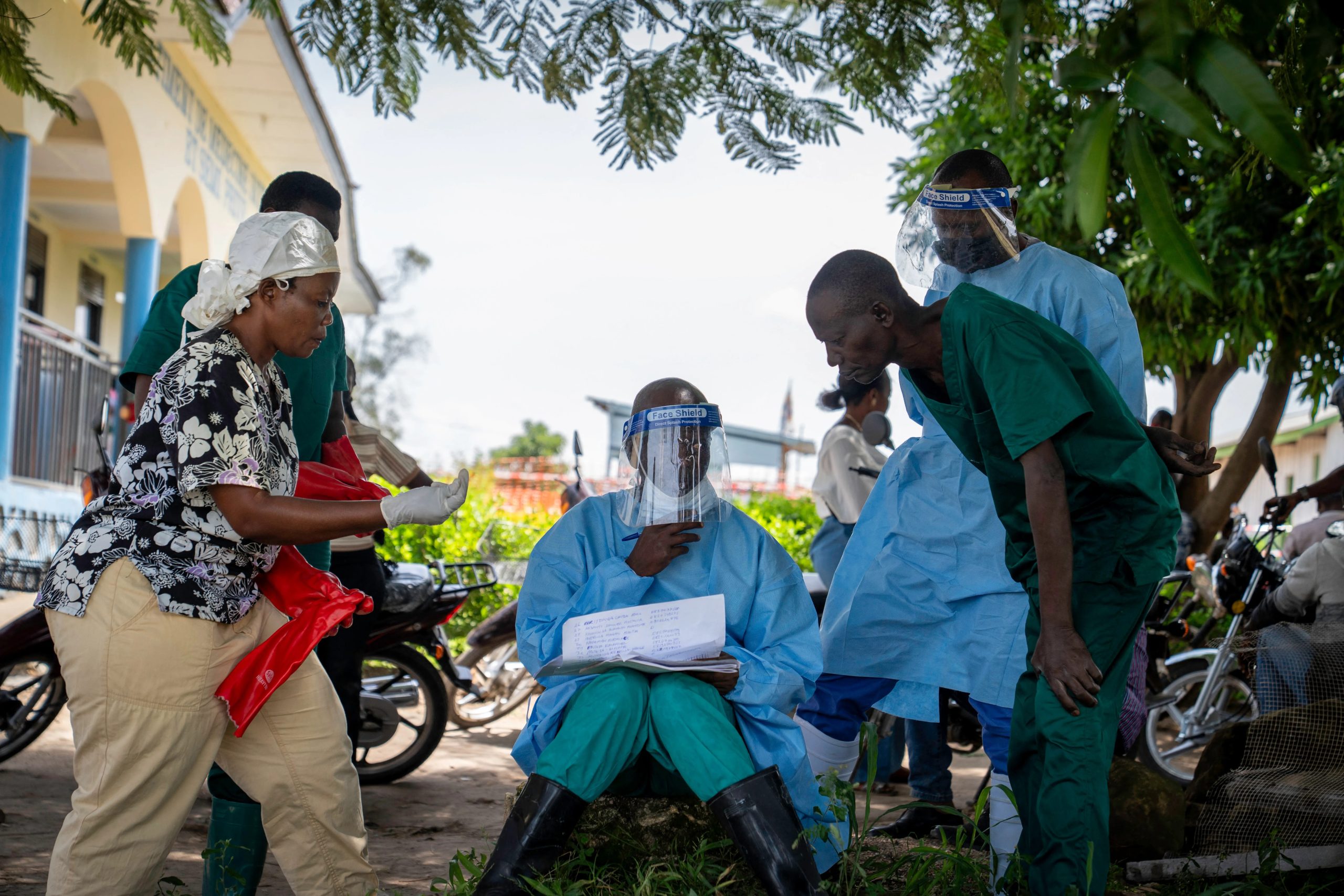
The Ministry of Health has mobilised substantial resources to contain the outbreak. A National Rapid Response Team has been deployed to the Upper West Region, where the outbreak has been concentrated. District hospitals have designated isolation areas to manage both suspected and confirmed patients separately, reducing the risk of cross-contamination and enabling focused clinical care.
Laboratories across the country have been equipped with necessary reagents to accelerate testing and confirmation of suspected cases. This investment in diagnostic capacity is crucial for Ghana's ability to quickly identify confirmed cases and implement targeted public health interventions. Enhanced surveillance systems have been implemented, particularly across northern Ghana, where yellow fever transmission risk is typically higher due to climatic and ecological factors that favour the Aedes mosquito vectors.
Why it matters for Ghana
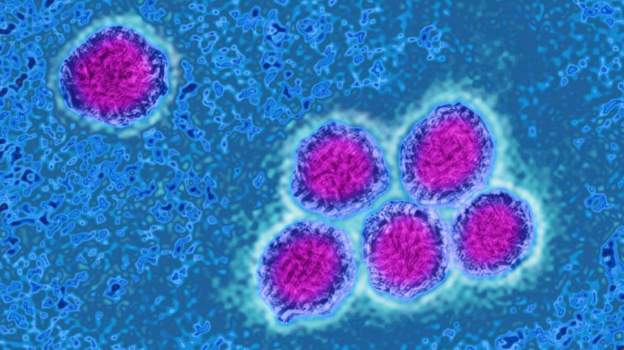
Yellow fever is a serious viral illness transmitted by infected mosquitoes, and whilst many infected individuals recover, the disease can progress to severe haemorrhagic fever with significant mortality rates. Ghana's position in West Africa means the disease poses a genuine public health threat, particularly given seasonal conditions and population movement patterns across the region.
The concentration of cases in the Upper West Region, whilst currently limited in confirmed numbers, warrants vigilance. The region's geography and climate create conditions potentially favourable to mosquito breeding, and cross-border movement with neighbouring Burkina Faso could facilitate disease transmission. Should the outbreak expand beyond current containment, it could strain health facilities and create broader economic and social disruption.
The government's appeal for public calm, whilst necessary to prevent panic, must be balanced with transparent communication about risks and precautions. The Minister's call for responsible media coverage reflects concerns that sensationalised reporting could trigger unnecessary alarm, though the public remains entitled to accurate, timely information about health threats.
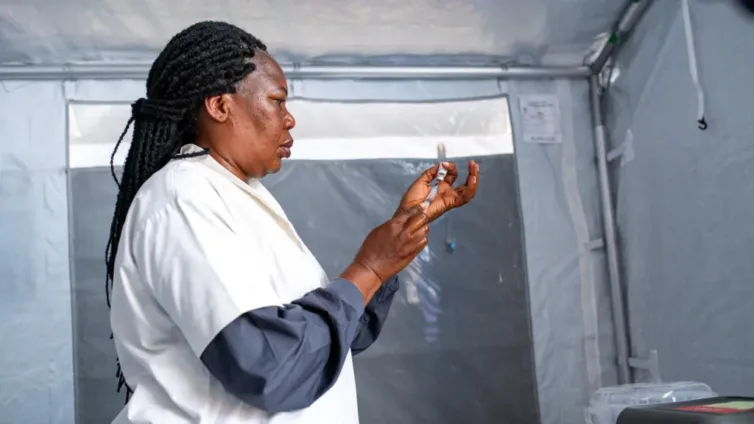
Yellow fever is preventable through vaccination. Citizens in affected areas and those planning travel to high-risk zones should consult health authorities about vaccination status. Standard mosquito control measures—insecticide-treated nets, appropriate clothing, and environmental sanitation—remain effective personal protection strategies.
The coming weeks will be critical in determining whether current containment measures successfully limit further transmission or whether additional cases emerge. Continued surveillance, laboratory capacity, and community cooperation with health authorities remain essential to managing this outbreak effectively.
Source: Today GH
Comments (0)
Be the first to comment.