Ghana ready for fresh evacuations as South Africa xenophobia crisis deepens
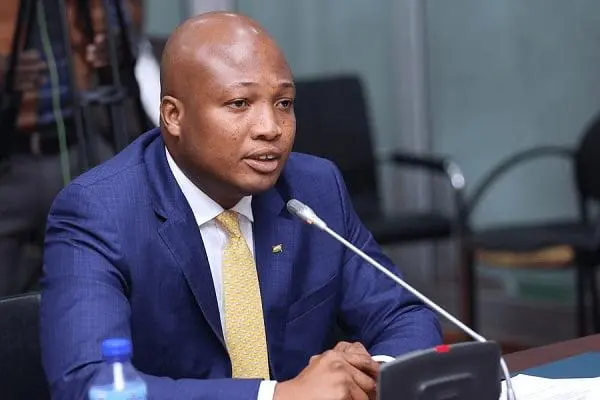
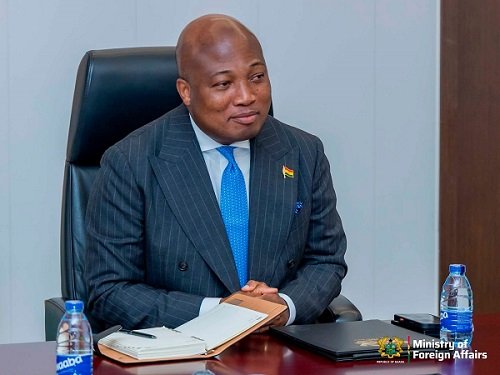
Ghana's government has signalled it stands ready to conduct fresh evacuation operations for its citizens in South Africa should the security crisis worsen, as anti-immigrant violence continues to plague the country. Foreign Affairs Minister Samuel Okudzeto Ablakwa made the commitment following a concerning report from Ghana's Pretoria mission describing conditions as "quite a dire situation" amid rising xenophobic sentiment.
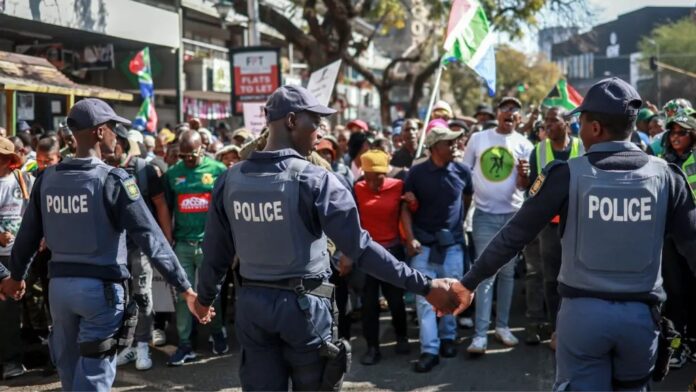
The deteriorating climate for foreign nationals in South Africa has been fuelled partly by a recent court ruling on asylum seekers, which has intensified tensions in the region. Ablakwa emphasised that Ghana's Consular and Humanitarian Affairs Bureau is actively tracking developments and assessing which Ghanaians may require assistance or relocation.
"It does not mean that if we have another wave, a deterioration of the situation and there are Ghanaians who need assistance, it does not mean that the door is shut and that we will not move in. We will indeed," Ablakwa told TV3, signalling the government's commitment to protecting nationals abroad.
Recent evacuation operations and scope
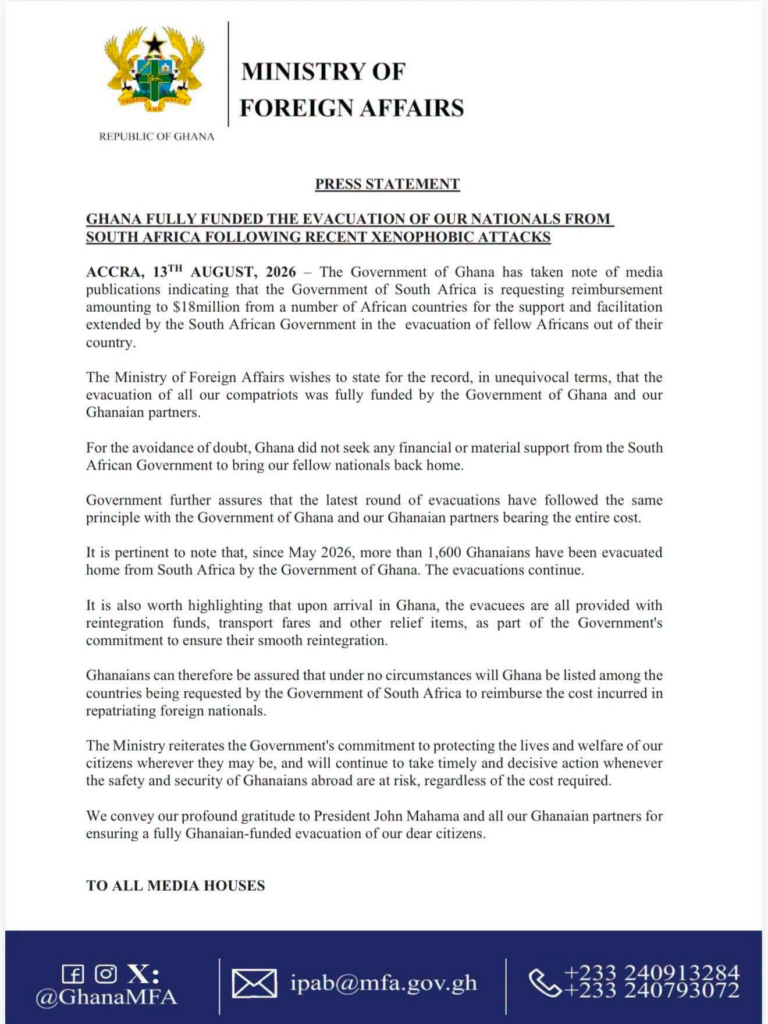
Ghana has demonstrated serious intent in protecting citizens overseas. Since last year, more than 6,300 Ghanaians have been brought home from distress situations across the world, including from Libya, Myanmar and Cambodia. The South Africa operation was particularly large, with 1,964 Ghanaians evacuated during the most recent exercise.
The scale of these operations reflects the Foreign Ministry's expanded capacity to respond to crises affecting Ghanaians abroad. All 72 Ghanaian diplomatic missions worldwide have been placed on high alert to monitor citizen welfare in their respective jurisdictions and report any emerging threats.
Why it matters for Ghana
The situation in South Africa carries significant implications for Ghana and West Africa more broadly. Hundreds of thousands of Africans live and work in South Africa, contributing substantially to both their home economies through remittances and to South Africa's economy as workers and entrepreneurs. When xenophobic violence erupts, entire communities face displacement and economic disruption.
For Ghana specifically, the crisis highlights both the vulnerability of citizens in the diaspora and the government's responsibility to safeguard their interests. The Foreign Ministry's proactive stance—maintaining evacuation readiness and engaging with the African Union—signals recognition that protecting nationals is a core state function in an unstable global environment.
Ablakwa has also petitioned the African Union over the attacks, with the continental body confirming the matter will be discussed at its January 2027 summit. This diplomatic pressure at the continental level may help persuade South African authorities to take stronger preventative measures and improve security for migrants. Ablakwa called on South Africa's government to intensify efforts to prevent further violence and protect foreign residents.
The Ghanaian government's measured but firm response—preparing for evacuations while engaging diplomatically—reflects the delicate balance required when addressing xenophobia in a neighbouring country. Further escalation could force Ghana's hand, potentially straining bilateral relations whilst necessitating larger-scale humanitarian operations that could absorb significant state resources.
Source: MyJoyOnline

Comments (0)
Be the first to comment.