Ghana Bears Full Cost of South Africa Evacuation as 1,600+ Nationals Return Home
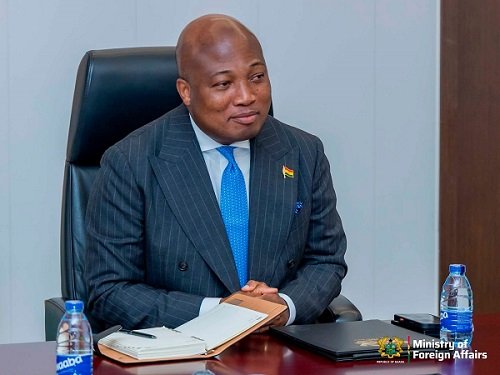
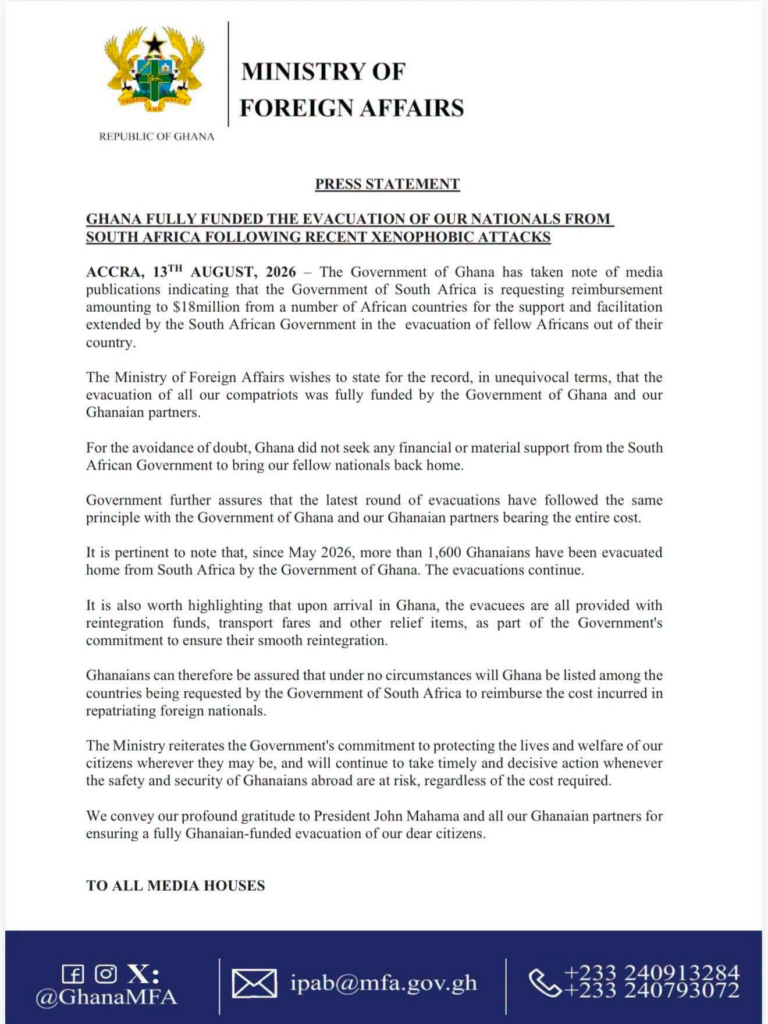
Ghana's Ministry of Foreign Affairs has confirmed that the government independently financed the complete evacuation of more than 1,600 Ghanaians from South Africa following a surge in xenophobic attacks earlier this year. In a statement released on Thursday, 13 August 2026, the ministry clarified that Ghana sought no financial or material assistance from the South African government to repatriate its affected citizens.
The declaration comes as South Africa has reportedly requested approximately $18 million in reimbursement from several African nations for costs incurred in supporting and evacuating their nationals during the period of civil unrest. Ghana's position is unambiguous: the country will not be included among those nations facing such reimbursement demands, as all evacuation expenses have been absorbed domestically.
The Scale and Scope of the Repatriation Effort
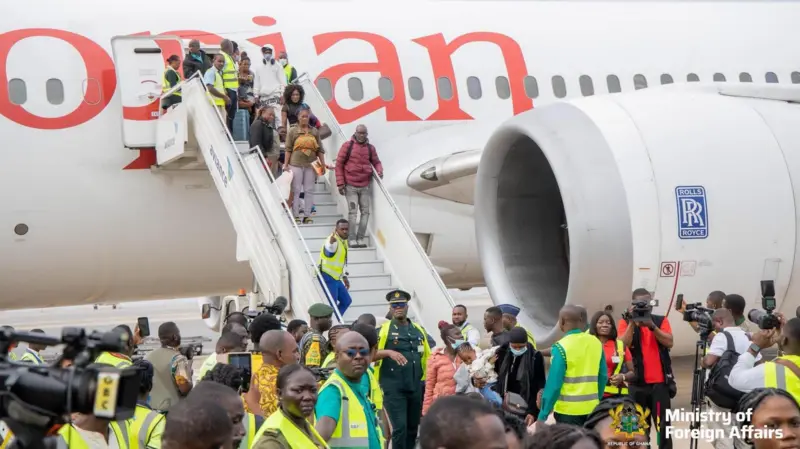
The evacuation exercise, which commenced in May 2026, remains ongoing, with the ministry confirming that more than 1,600 Ghanaians have already returned home. Beyond the logistical coordination of transport, the government has extended comprehensive support to returnees. Each evacuee has received reintegration funds, transport fares, and relief items designed to facilitate their resettlement in Ghana. This multi-layered assistance underscores the government's commitment to ensuring that displaced nationals are not left vulnerable upon their return.
The ministry's statement emphasises that both President John Mahama and Ghanaian private sector partners have played crucial roles in enabling the fully Ghanaian-funded operation. This collaborative approach reflects a broader national effort to stand by citizens in crisis, rather than relying on external support or burden-sharing arrangements with the host nation.
Why This Matters for Ghana
The situation in South Africa represents one of the most significant security challenges facing Ghanaian migrants in recent years. Xenophobic violence has periodically flared in South Africa, targeting foreign nationals—particularly those from other African countries—and creating genuine safety risks. For Ghana, a nation with a substantial diaspora across the African continent and beyond, ensuring swift and effective evacuation capabilities is a critical aspect of foreign policy.
By unilaterally funding this evacuation, Ghana has sent a clear message to its citizens abroad: the government takes their protection seriously and will act decisively when their lives are endangered, without waiting for external financial arrangements. This stance also reflects Ghana's broader diplomatic positioning within Africa—asserting independence and self-reliance rather than accepting what could be perceived as punitive financial demands from host countries.
The decision to provide reintegration support is equally significant. Evacuees returning after experiencing xenophobic violence often face psychological trauma and economic dislocation. By offering structured reintegration assistance, Ghana addresses both immediate material needs and the longer-term challenge of helping returnees rebuild their livelihoods domestically. This approach may also encourage some evacuees to remain in Ghana rather than attempting to return to South Africa or migrate elsewhere in search of economic opportunity.
The ministry has reaffirmed the government's broader commitment to protecting Ghanaians living abroad and pledged continued vigilance in monitoring conditions affecting its diaspora. Officials have stated that Ghana will maintain its readiness to act promptly whenever the safety and security of nationals overseas are compromised, establishing a precedent that the government regards such protection as a non-negotiable responsibility.
Source: The Ghanaian Times

Comments (0)
Be the first to comment.