
Ghana makes history with reintegration allowance for South Africa evacuees – Ablakwa
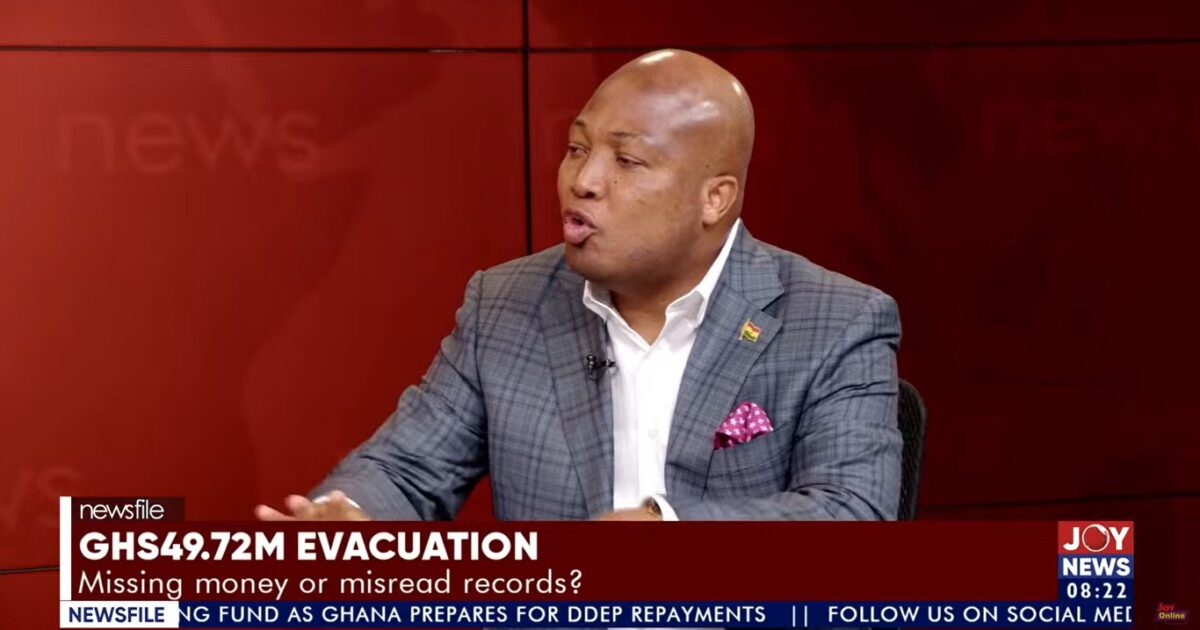

Ghana has taken an unprecedented step by providing reintegration allowances to nearly 2,000 citizens evacuated from South Africa following a wave of xenophobic violence earlier this year. Foreign Affairs Minister Samuel Okudzeto Ablakwa confirmed on Saturday that this financial support marks the first time the government has gone beyond basic transport assistance when bringing nationals home from crisis situations.
The evacuation operation, which ran from May 27 to September 4, 2026, brought 1,964 Ghanaians back to the country after renewed xenophobic attacks and intimidation against foreign nationals intensified in South Africa. The total cost of the evacuation and reintegration support reached GH¢49,721,786.
Government commitment to returnees
Speaking on JoyNews' Newsfile, Ablakwa explained that President John Dramani Mahama and his government recognised the unique circumstances facing evacuees. Unlike typical evacuations that provide minimal transportation packages, this intervention includes financial allowances designed to help returnees rebuild their lives after losing years of accumulated assets and livelihoods abroad.
"Very traumatic experience, the President and his government said, let us not bring them home and leave them to their fate, and it is the first time evacuation is done, and we have paid them reintegration allowance," the minister stated. He emphasised that evacuees had been forced to abandon jobs, businesses, savings, and property they had spent years developing.
The allowances are intended to ease the transition back to Ghana and provide a financial cushion as returnees re-establish themselves. Many evacuees were unable to access their bank accounts before fleeing, compounding the financial hardship they faced upon arrival home.
Why it matters for Ghana
This policy shift reflects a broader commitment to protecting Ghanaian citizens abroad while taking responsibility for their welfare upon return. As migration remains a significant part of Ghana's socio-economic landscape—with thousands of Ghanaians working throughout Africa and beyond—the government's approach sends a signal about its duty of care to displaced nationals.
The xenophobic violence in South Africa highlighted vulnerabilities faced by West African migrants, who often encounter discrimination and violence in host countries. By providing structured reintegration support, Ghana demonstrates willingness to address both the immediate humanitarian crisis and the longer-term challenge of helping returnees reintegrate economically.
For evacuees, the allowances offer temporary financial relief during a critical period. However, questions remain about longer-term employment and skills-matching programmes to ensure sustainable reintegration into the Ghanaian job market.
Documentation and transparency
In response to a Right to Information request, the Foreign Affairs Ministry submitted a detailed 200-page report to Parliament's Foreign Affairs Committee on September 18. The documents included evacuees' contact details and signatures, demonstrating the scale and documentation of the operation.
The government's decision to fund reintegration allowances reflects lessons learned from previous evacuation operations and a recognition that humanitarian responsibility extends beyond safe passage home.
Source: MyJoyOnline


Comments (0)
Be the first to comment.