
Ghana Leaving Billions on the Table: IFS Reveals Nation Collects Far Less Revenue Than It Should
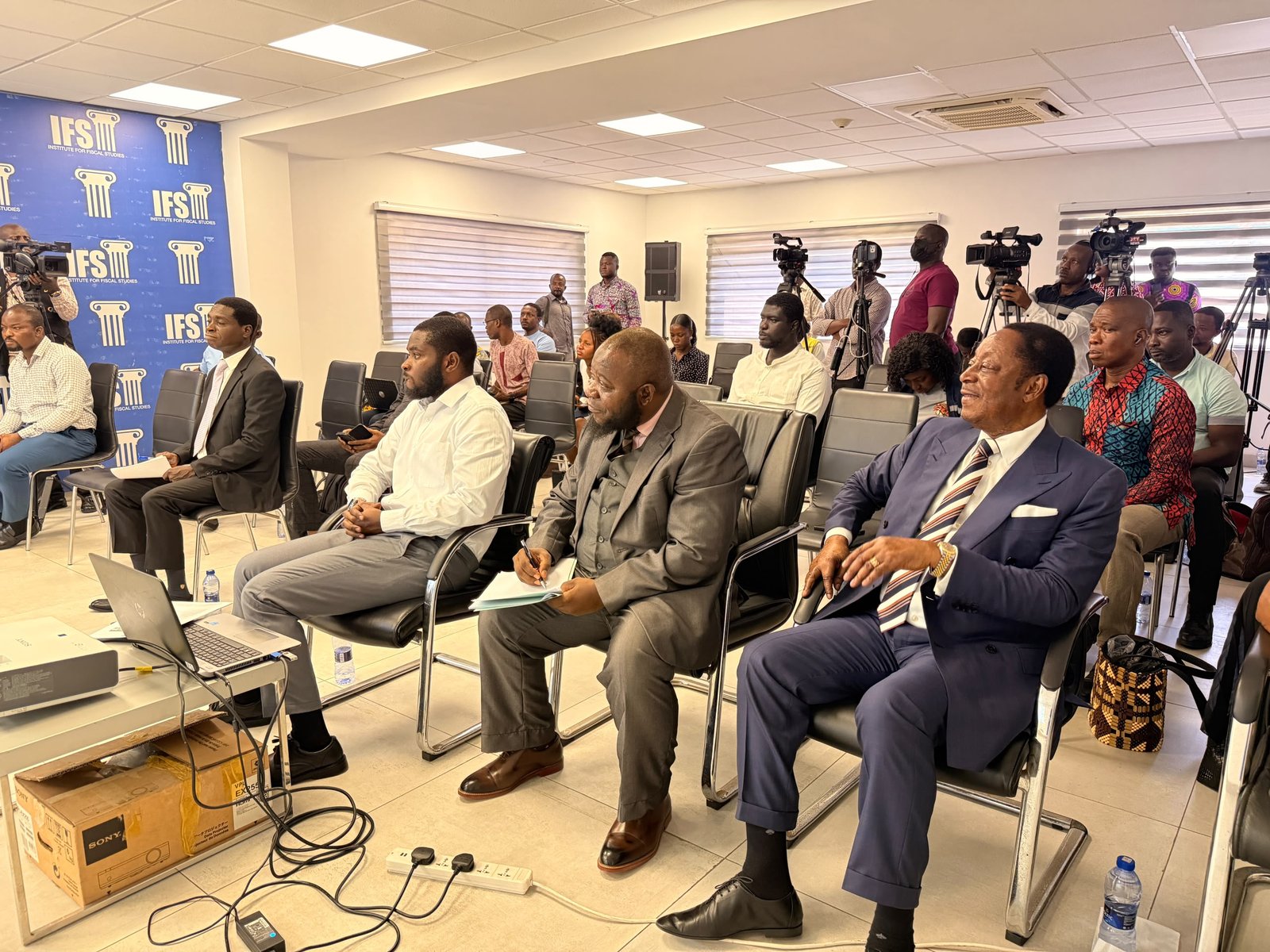

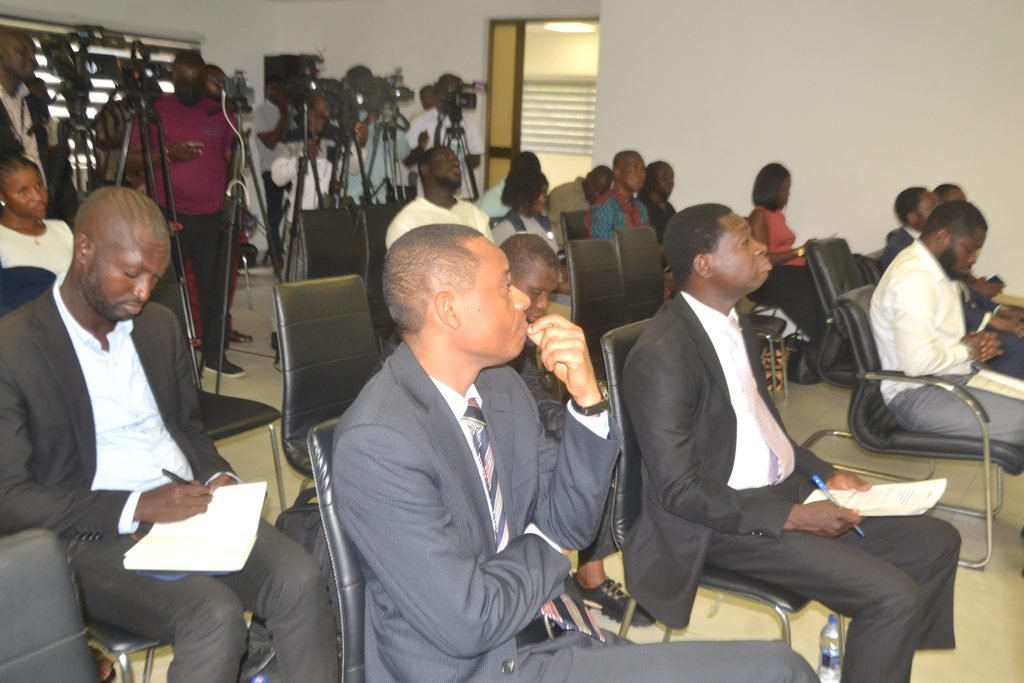
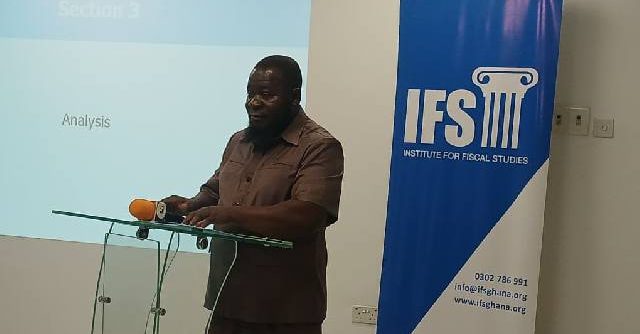
Ghana is haemorrhaging billions of dollars in potential government revenue every year, undermined by corruption, rampant tax evasion, leakages at the ports and an overly generous system of tax exemptions that benefits businesses — particularly foreign investors — far more than the Ghanaian public. That is the stark warning from the Executive Director of the Institute for Fiscal Studies (IFS), Dr Said Boakye, who presented the organisation's latest policy brief in Accra on Thursday, 5 November 2026.
The brief, titled A Reexamination of the Low Government Revenue Mobilisation in Ghana, lays bare just how far Ghana lags behind its African peers when it comes to collecting the money needed to fund hospitals, roads, schools and public sector wages.
The numbers that should alarm every Ghanaian
According to the IFS analysis, Ghana's total revenue and grants amounted to just 15.7 per cent of GDP — placing it 18th out of 25 Sub-Saharan African countries assessed, and well below the regional average of 20.1 per cent. For context, Namibia collects 31.3 per cent of its GDP in revenue, Seychelles 30 per cent and Botswana 29.5 per cent.
The practical cost of that underperformance is staggering. Dr Boakye calculated that if Ghana had simply matched the Sub-Saharan African average in 2025, the government would have collected GH¢288.26 billion — a full GH¢63.38 billion more than the GH¢224.88 billion actually raised. Had Ghana performed at Botswana's level, the figure would have been GH¢423.06 billion, representing an additional GH¢198.18 billion for public spending.
The mining sector tells an equally troubling story. Ghana's mines generated US$13.40 billion in value added in 2025, yet the government received only US$1.60 billion in revenue from the sector — roughly 12 per cent. Botswana, by contrast, captured an average of 60.9 per cent of its mining sector's value added as government revenue between 2019 and 2023, largely because the state takes a direct ownership stake in its mines. Had Ghana matched that rate, it could have earned an additional US$6.56 billion from mining alone in a single year.
Ghana's low per capita GDP of US$2,419 in 2024, compared with US$7,650 in Botswana and US$6,267 in South Africa, reflects years of underinvestment that weak revenue collection has helped to entrench.
Three root causes: leakages, exemptions and a distant state in mining
Dr Boakye identified three interconnected drivers of the problem. First, Ghana earns a disproportionately small share of what its extractive industries generate, partly because the government does not hold meaningful ownership stakes that would yield dividends in addition to taxes and royalties.
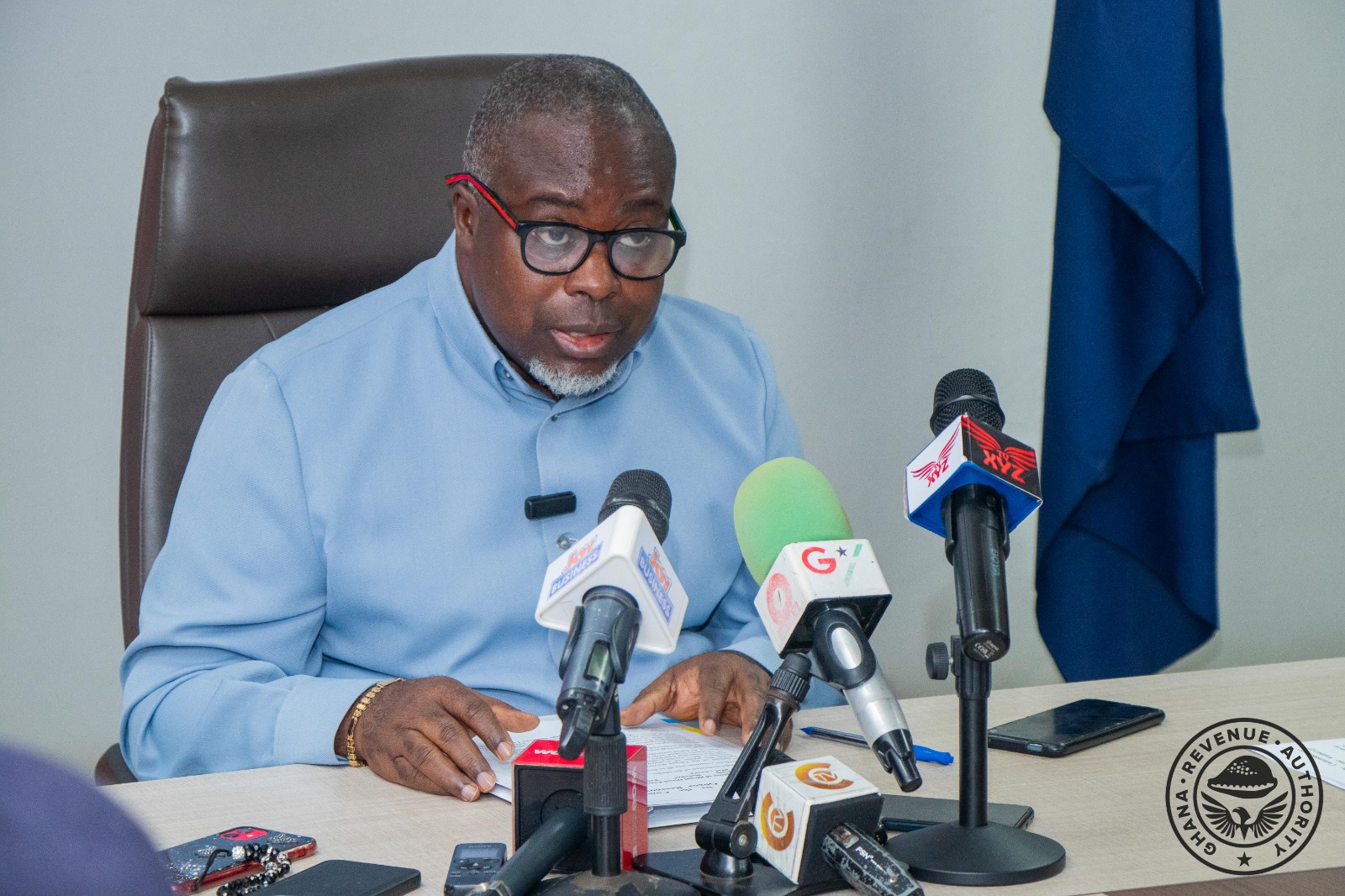
Second, revenue leakages — including tax underreporting, evasion and outright collusion between importers and revenue officials — drain the public purse at scale. The Commissioner-General of the Ghana Revenue Authority, Anthony Sarpong, revealed in April 2026 that incorrect declarations at Ghana's ports involving the origin, classification and valuation of imported goods had cost the country more than GH¢11 billion in lost port revenue.
Third, successive governments have handed out tax incentives so liberally that they now represent a serious fiscal liability. The Ghana Investment Promotion Centre's inventory lists as many as 31 separate income tax, customs and financial incentive packages available to businesses. While some incentives are designed to attract investment — such as those under the Free Zones Act and the Ghana Automotive Development Policy — Dr Boakye argued that the cumulative cost to public finances has far outweighed the benefits.
Why it matters for Ghana
The consequences of Ghana's revenue shortfall are not abstract. Dr Boakye linked weak collection directly to the country's crumbling infrastructure — the International Institute for Management Development ranked Ghana at just 13.5 points on its 2025 infrastructure index, against 28.3 for Botswana and 20.4 for South Africa. It also feeds the cycle of heavy government borrowing, rising debt-servicing costs that crowd out spending on services, and persistently low public sector salaries that drive brain drain.
Ghana has spent much of the past two years under an IMF-supported programme aimed at restoring fiscal discipline after a severe debt crisis. Boosting domestic revenue mobilisation is central to that effort, yet the IFS data suggests the structural barriers remain deeply entrenched.
To turn things around, Dr Boakye recommended that the government take a direct ownership stake in the extractive sector — mirroring the Botswana model — and explore production-sharing agreements as an alternative to the current royalty-and-tax framework. He also called for a comprehensive review of tax exemptions and a serious crackdown on corruption and collusion within revenue agencies.
- Ghana's revenue-to-GDP ratio of 15.7% ranks 18th out of 25 Sub-Saharan African nations assessed.
- Ghana missed out on at least GH¢63.38 billion in 2025 by falling short of the regional revenue average.
- Ports alone lost over GH¢11 billion to incorrect import declarations, the GRA Commissioner-General revealed.
Source: The Ghanaian Times


Comments (0)
Be the first to comment.