
Ghana Ranks 18th Out of 25 African Nations in Revenue Mobilisation as IFS Blames Tax Breaks and Leakages
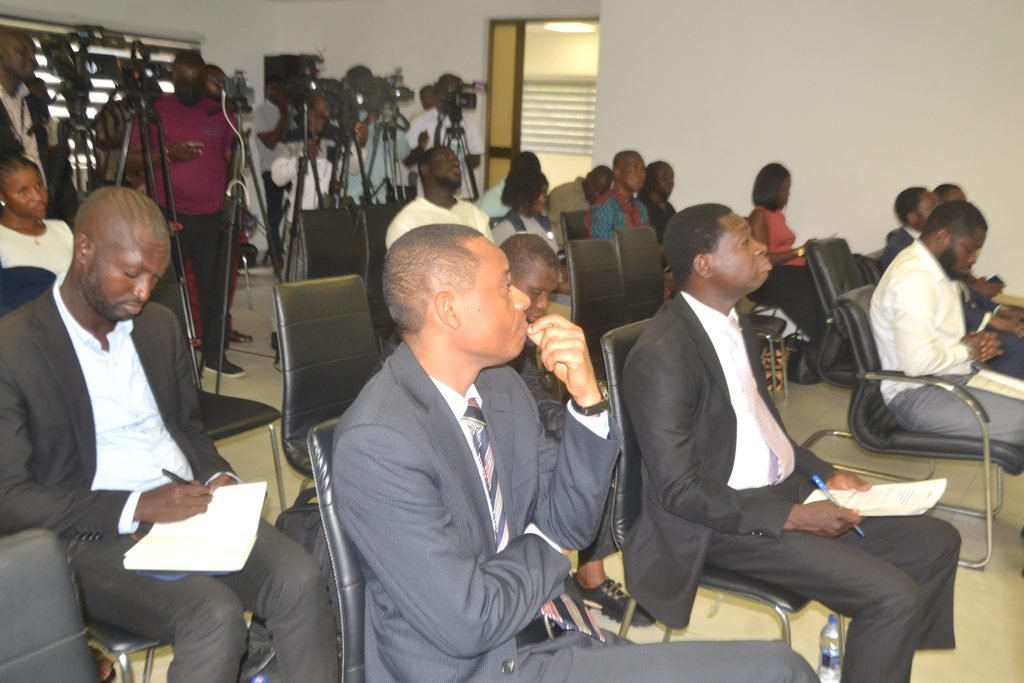

Ghana is falling well behind its Sub-Saharan African peers in domestic revenue mobilisation, ranking 18th out of 25 countries in the region, according to a new policy brief from the Institute of Fiscal Studies (IFS). The think tank has pointed squarely at corruption, weak revenue collection from the extractive sector, and generous but poorly managed tax exemptions as the principal culprits draining the country's fiscal capacity.
What the IFS found
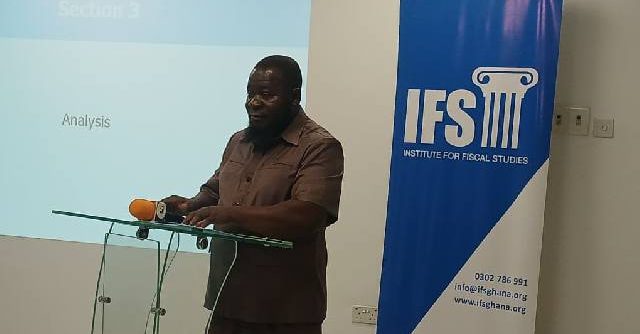
Presenting the policy brief in Accra, IFS Executive Director Dr Said Boakye said Ghana's performance in raising domestic revenue remains deeply troubling. In 2022, the government collected a total of GH¢96.6 billion in revenue and grants — equivalent to roughly US$11.68 billion — representing just 15.7 per cent of GDP. Dr Boakye stressed that this figure could have been considerably higher had the country tackled the structural weaknesses that continue to erode its revenue base.
The IFS identified three interconnected problems. First, Ghana is not adequately capturing revenue from its extractive industries — oil, gas and minerals — sectors that by their nature generate substantial rents that governments elsewhere use to fund public services. Second, revenue leakages across various collection points mean that money owed to the state never reaches the public purse. Third, the government has historically offered sweeping tax exemptions to attract foreign investors, a practice the IFS argues has cost the country far more than it has gained in investment returns.
- Ghana ranked 18th out of 25 Sub-Saharan African countries in revenue mobilisation relative to GDP.
- Total revenue and grants in 2022 stood at GH¢96.6 billion, or 15.7 per cent of GDP.
- The IFS flagged low extractive-sector revenues, leakages and excessive tax exemptions as key problems.
Why it matters for Ghana
The implications of poor revenue mobilisation stretch far beyond accounting. When the government cannot collect enough money, it must either cut spending on hospitals, roads and schools, or borrow to fill the gap — often at high interest rates that deepen the debt burden. Ghana's recent experience with an IMF-supported debt restructuring programme makes this lesson painfully clear: years of spending that outpaced revenue collection contributed directly to the fiscal crisis that forced the country to seek external support.
Tax exemptions, while intended to make Ghana competitive in attracting investment, have long been a contentious issue. Critics argue that many exemptions benefit well-connected businesses rather than genuinely catalysing economic activity, and that the cumulative cost to the treasury runs into billions of cedis annually. The IFS brief adds an authoritative voice to calls for a comprehensive review of these arrangements.
The extractive sector angle is equally significant. Ghana produces gold, oil and other minerals that make it one of West Africa's more resource-rich economies, yet the country consistently struggles to translate that natural wealth into public revenue. Issues such as transfer pricing, weak regulatory oversight and negotiated fiscal terms that favour companies over the state all contribute to this gap.
What needs to change
The IFS did not merely diagnose the problem — the policy brief is understood to call for concrete reforms, including tightening oversight of tax exemption agreements, strengthening the Ghana Revenue Authority's capacity to audit and enforce compliance in the extractive sector, and closing loopholes that enable revenue leakages at various points in the collection chain.
For ordinary Ghanaians, the stakes are straightforward: a government that collects more of what it is owed has more money to spend on infrastructure, healthcare, education and social protection — without piling additional debt onto future generations. The IFS findings serve as a timely reminder that fiscal reform is not a technical matter reserved for economists; it is a question of whether the state can deliver on its basic promises to citizens.
Source: The Ghanaian Times


Comments (0)
Be the first to comment.