
Ghana Health Ministry denies SABC's false Ebola outbreak claims


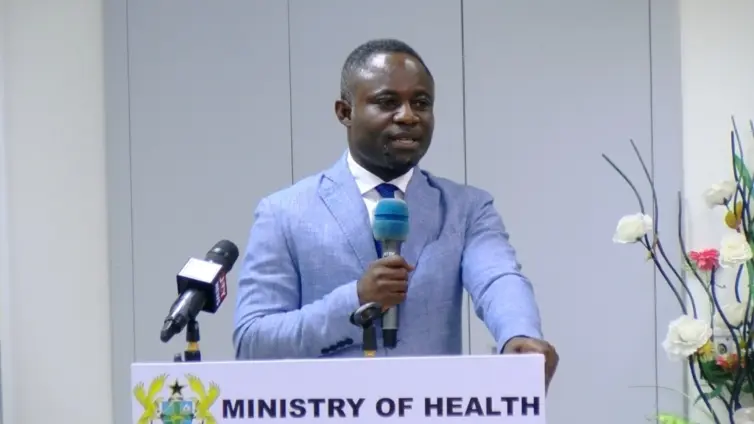
Ghana's Ministry of Health has strongly refuted a report by South Africa's public broadcaster SABC that falsely claimed the country is experiencing a major Ebola outbreak with thousands of confirmed cases and hundreds of deaths.
The ministry's swift denial underscores growing concerns about health misinformation spreading across West African media networks and the potential panic such unverified reports can trigger amongst citizens and international communities.
The false report and official response
The SABC report made alarming claims about the scale of an alleged Ebola crisis in Ghana, but the Ministry of Health categorically rejected these assertions as baseless. Officials emphasised that no such outbreak has been documented in the country and that the figures cited in the report bear no relation to Ghana's actual disease surveillance data.
The ministry's rapid response demonstrates the importance of health authorities moving quickly to counter dangerous misinformation before it circulates widely and undermines public confidence in official health institutions.
Why it matters for Ghana
False health alerts, especially regarding highly infectious diseases like Ebola, pose serious risks to Ghana's economy, tourism sector, and international relations. When major international broadcasters—even inadvertently—amplify unverified health claims, the consequences can be severe: investors may withdraw, countries may impose travel restrictions, and citizens may lose trust in legitimate public health messaging.
Ghana's experience with actual disease outbreaks in the past has shown how critical accurate, timely communication is. The country has faced challenges containing diseases like cholera and typhoid, so maintaining transparency and credibility around genuine health threats is essential. When false alarms dominate headlines, they can also distract from real public health priorities and the resources needed to address them.
This incident also highlights the vulnerability of African health systems to narrative manipulation in global media. A single report from a major broadcaster, even if factually wrong, can spread rapidly across social media and international news channels before corrections catch up, creating lasting reputational damage.
Strengthening verification and accountability
Incidents like this underscore the need for stronger fact-checking protocols within international media organisations and closer coordination between health authorities and journalists covering disease outbreaks. The Ministry of Health's prompt denial is crucial, but longer-term solutions require:
- Regular direct communication between Ghana's health ministry and international news outlets to establish verified contact points and prevent misinformation
- Training for journalists on verifying health claims through official channels before publication
- Stronger accountability mechanisms for broadcasters that publish unverified health reports affecting African nations
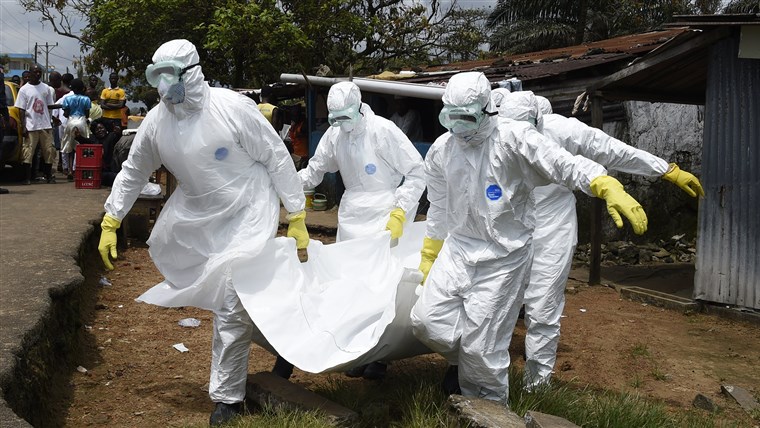
As West Africa continues to strengthen its disease surveillance systems following the 2014–2016 Ebola crisis in neighbouring countries, maintaining accurate public communication about health threats remains vital for both regional and international confidence in the region's preparedness.
Source: 3News


Comments (0)
Be the first to comment.