Ghana and Malta chart course for deeper economic partnership amid shared Commonwealth ties
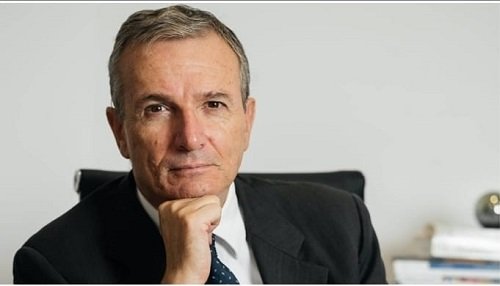
Ghana and Malta are positioning themselves for a significant deepening of bilateral relations, moving beyond their nearly five-decade diplomatic friendship towards concrete economic and people-to-people cooperation. The relationship, formally established in February 1974, is now entering a new phase as both nations seek to leverage their shared English-speaking heritage and Commonwealth membership to mutual advantage.
High Commissioner Ronald Micallef, Malta's top diplomat in Ghana, has outlined a four-pillar cooperation strategy aimed at translating goodwill into tangible benefits for both countries. Speaking during his first year in post, Micallef—who brings over 35 years of African diplomatic experience—identified transport and logistics, artificial intelligence, education and skills development, and health as priority areas where Malta's expertise can meaningfully assist Ghana's development agenda.
Historical ties and Commonwealth legacy
The Ghana-Malta relationship carries deeper historical resonance than many bilateral partnerships. When Ghana gained independence under Osagyefo Dr Kwame Nkrumah in 1957, the nation became a beacon for anti-colonial movements across Africa and beyond. Nkrumah's ideological influence extended to Malta, where Dom Mintoff, a leading political figure who later became Prime Minister, drew inspiration from Ghana's sovereignty struggle. Both leaders represented a generation determined to free their nations from colonial dependence, creating philosophical foundations that would later underpin formal diplomatic ties.
Both nations share Commonwealth membership and English as an official language—factors Micallef emphasises as underutilised connectors. Malta, despite being Europe's smallest nation by population, joined the European Union in 2004 and has consistently punched above its weight internationally. In 2023, both Ghana and Malta served together as elected members of the United Nations Security Council, a coincidence that underscores their parallel diplomatic standing.
Strategic cooperation areas and mutual gains
Micallef's identified cooperation areas reveal where Malta believes it can add most value. In transport, logistics, and maritime affairs, Malta has established a formidable reputation and regulatory framework. For Ghana, a critical West African hub with significant port infrastructure, access to Mediterranean expertise in shipping and aviation could enhance competitiveness and efficiency.
Artificial intelligence and digital skills represent a forward-looking priority, particularly as Ghana positions itself as a technology hub within West Africa. Education and capacity-building initiatives could help Ghanaian youth access emerging opportunities in AI-driven sectors. Tourism cooperation also features prominently, with Malta drawing on four million annual visitors and nearly €4 billion in tourism revenue to share destination management, festival promotion, and regulatory best practices.
Ghana's growing appeal to Maltese investors—particularly those seeking African expansion opportunities—suggests the relationship is already generating commercial momentum. Micallef credits his predecessor and Ghana's High Commission in Malta's capital, Valletta, with building this investor confidence, whilst signalling his intention to deepen engagement particularly in film production, maritime affairs, and logistics.
Why it matters for Ghana
This partnership represents a strategic opportunity for Ghana to access European expertise and investment channels through a trusted Commonwealth partner. Malta's EU membership and Mediterranean positioning offer Ghana potential gateways into European markets and investment networks. Cooperation in maritime affairs and logistics directly supports Ghana's aspirations as a regional economic hub, whilst education and AI initiatives align with national development priorities and youth employment goals.
The emphasis on people-to-people connections and cultural exchange strengthens soft power for both nations. For Ghana, deeper ties with a European Union member state could enhance the country's international standing and create practical advantages in trade, investment, and diplomatic coordination on continental and global issues.
Both governments have reportedly advanced initiatives including Project ETHICS, signalling institutional commitment to moving beyond ceremonial relations towards substantive cooperation frameworks. As Ghana continues navigating complex regional and global dynamics, strengthening partnerships with strategically positioned allies like Malta offers diversified diplomatic and economic benefits.
Source: The Ghanaian Times
Comments (0)
Be the first to comment.