Ambassador Baba Issifu Kamara: The quiet Ghanaian diplomat reshaping West African security at 70
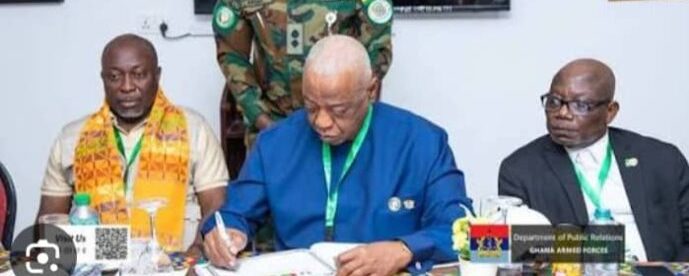
Ambassador Baba Issifu Kamara, a towering figure in West African diplomacy and security, has marked seven decades of life defined by quiet but consequential service to Ghana and the region. Now recognised as ECOWAS Special Envoy on Counter-Terrorism, Kamara's career trajectory demonstrates how strategic patience, institutional knowledge, and unwavering commitment to regional stability can shape geopolitics far beyond the headlines.
His latest appointment came in recognition of his depth of experience: in November 2025, ECOWAS tasked him as Head of the Election Observation Mission to Guinea-Bissau. What unfolded during that deployment exemplified his leadership philosophy. When a military takeover threatened the country's political transition, Kamara faced a choice that separated his approach from transactional diplomacy. While other senior officials, including former Nigerian President Goodluck Jonathan, departed on special evacuation flights, Kamara remained on the ground. He refused to leave until every single member of his 130-strong observer team was safely evacuated via a chartered ASKY Airlines flight. The decision underscored a principle: institutional responsibility supersedes personal security concerns.
A career anchored in Ghana's security architecture
Kamara's four-decade trajectory reveals a strategic placement within Ghana's highest security circles. As National Security Advisor between 2013 and 2017, he operated at the intersection of Ghana's domestic and regional security concerns during a period of rising terrorism in the Sahel and maritime piracy threats along West African coasts. Before that, he served as Ghana's High Commissioner to Nigeria—a post carrying enormous responsibility given the size and influence of the country—with concurrent diplomatic accreditation to Cameroon, Chad, and São Tomé & Príncipe.
From 2009 to 2012, Kamara represented Ghana as Permanent Representative to the ECOWAS Commission, positioning him at the heart of regional institutional decision-making during critical discussions on conflict resolution, trade integration, and security architecture. These roles were not ceremonial; they required navigating the competing interests of 15 member states whilst advancing Ghana's foreign policy agenda and contributing to regional consensus-building on peace and stability.
Why it matters for Ghana
Kamara's continued prominence in ECOWAS structures carries significance for Ghana's diplomatic standing and soft power in West Africa. As a Ghanaian holding one of the community's most sensitive portfolios—counter-terrorism—he influences how ECOWAS coordinates its response to insurgent movements, cross-border criminal networks, and state fragility across the region. Countries including Mali, Burkina Faso, and Niger have experienced devastating security crises; ECOWAS's ability to harmonise intelligence-sharing, joint operations, and stabilisation efforts depends partly on trusted brokers like Kamara.
His election observation work—including roles in Nigeria's 2023 presidential elections and monitoring missions in Togo and Côte d'Ivoire—also shapes how ECOWAS legitimises democratic transitions. Ghana, having maintained relative constitutional stability, benefits when regional observers are credible and impartial. Kamara's reputation for integrity enhances the credibility of ECOWAS election missions, which in turn strengthens the regional norm that democratic processes matter.
Beyond institutional roles, Kamara exemplifies the type of career civil servant and statesman that modern Ghana requires: one who builds institutional capacity rather than personal fiefdoms, who prioritises stability over headlines, and who remains committed to West African unity even when individual nations face conflicting pressures.
As Kamara enters his eighth decade, his example also offers a broader lesson for Ghana's younger diplomats and security professionals: that influence derived from competence, discretion, and consistency often outlasts that built on visibility or personality. His legacy is not primarily measured in speeches or media appearances, but in the quieter metrics of diplomatic relationships maintained, crises de-escalated, and institutions strengthened.
Source: The Ghana Report


Comments (0)
Be the first to comment.