
Climate Crisis Is a Security Threat, Says German Ambassador to Ghana


Germany's top diplomat in Ghana has sounded an urgent alarm about climate change, framing it not merely as an environmental issue but as a critical human security challenge that threatens the very fabric of communities across the nation and the broader West African region.
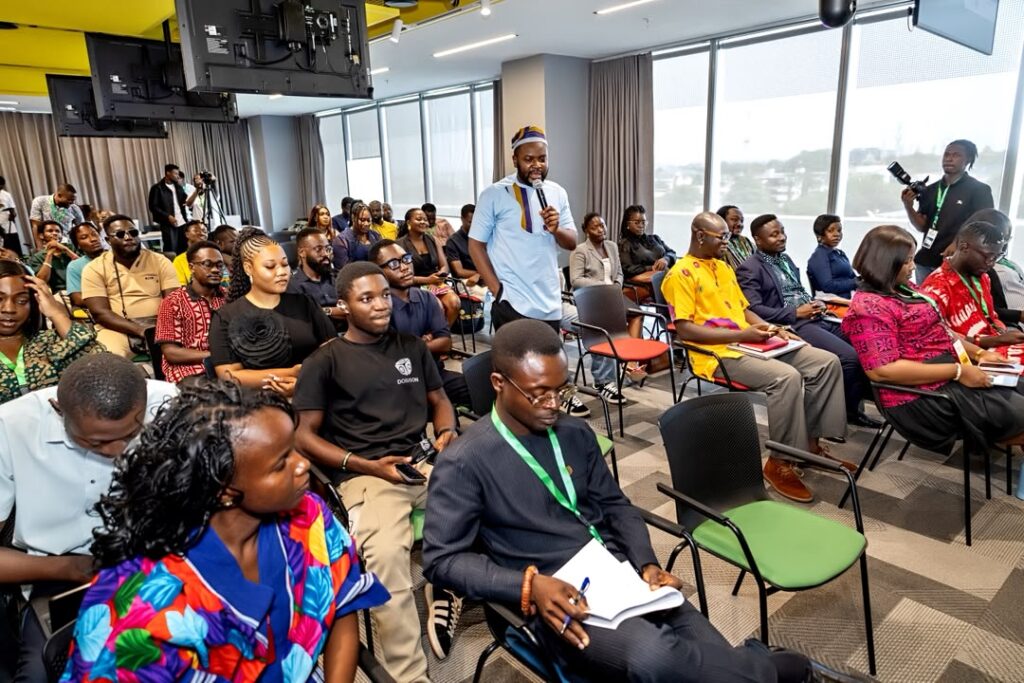
Speaking ahead of the 2026 climate talks, German Ambassador Frederik Landshöft emphasised that the impacts of rising temperatures and environmental degradation extend far beyond ecological concerns. The ambassador warned that climate disruption directly undermines economic opportunities, weakens social bonds between communities, and creates instability that can endanger lives and livelihoods.
Climate Change and Ghana's Vulnerabilities
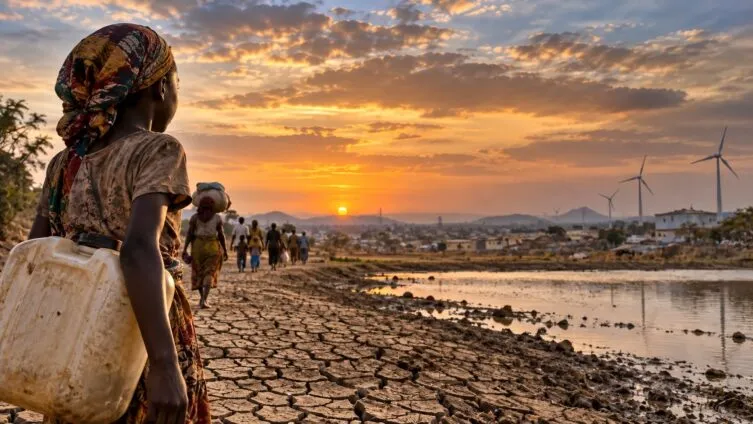
Ghana, as a West African nation already grappling with water scarcity, unpredictable rainfall patterns, and coastal erosion, faces acute climate pressures. The country's agricultural sector—which employs millions of rural citizens and forms the backbone of food security—remains highly dependent on seasonal rainfall. Rising temperatures, changing weather patterns, and desertification threaten crop yields and pastoral communities, particularly in the savanna regions of northern Ghana.
Beyond agriculture, Ghana's coastal cities face increasing risks from sea-level rise and storm surge. Communities in Accra and other port areas face potential displacement, infrastructure damage, and loss of fishing livelihoods. These environmental shocks inevitably create economic stress, migration pressures, and social tensions that can destabilise entire regions if left unaddressed.
Why It Matters for Ghana
The ambassador's framing reflects a growing international consensus that climate change functions as a threat multiplier. When communities lose agricultural productivity, face water shortages, or experience resource scarcity, competition for remaining resources intensifies. This can fuel inter-community disputes, rural-to-urban migration pressures, and economic desperation that undermines social stability.
For Ghana specifically, this analysis carries weight. The country has already witnessed how environmental stress contributes to migration flows, strain on urban services, and pressure on governance structures. The 2026 climate talks represent a critical moment for Ghana and other developing nations to secure commitments and financing from wealthier, high-emission countries to build climate resilience.
Germany, as Europe's largest economy and a climate policy leader, has influence in international climate negotiations. The ambassador's statement signals that Berlin recognises the security dimensions of the climate crisis—not in abstract terms, but as concrete threats to human safety, economic stability, and political order in vulnerable nations like Ghana.
Looking Ahead
The positioning of climate action as a security imperative rather than merely an environmental priority could reshape how international climate finance is allocated and how urgency is communicated at the negotiating table. For Ghana, this reframing offers a strategic opportunity: policymakers can engage international partners using the language of human security and stability, potentially unlocking greater financial and technical support for adaptation and resilience-building initiatives.
As Ghana faces mounting climate pressures—from water stress to agricultural disruption to coastal vulnerability—the ambassador's intervention underscores a fundamental truth: climate action is no longer an optional development goal, but an essential investment in national security and social cohesion.
Source: 3News



Comments (0)
Be the first to comment.