
ECOWAS $250,000 flood relief arrives in Ghana; ADRA to manage distribution
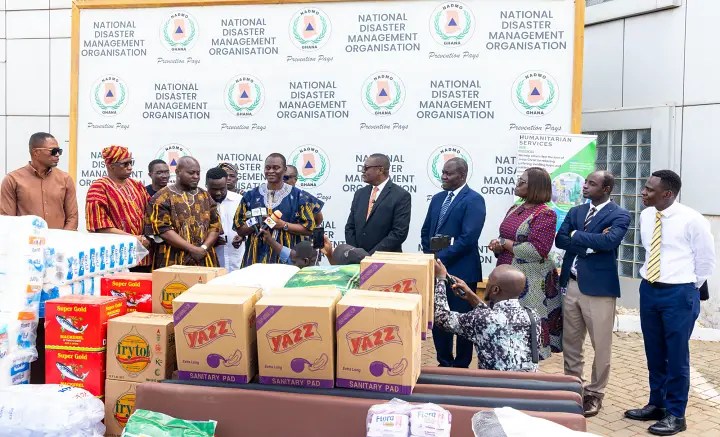
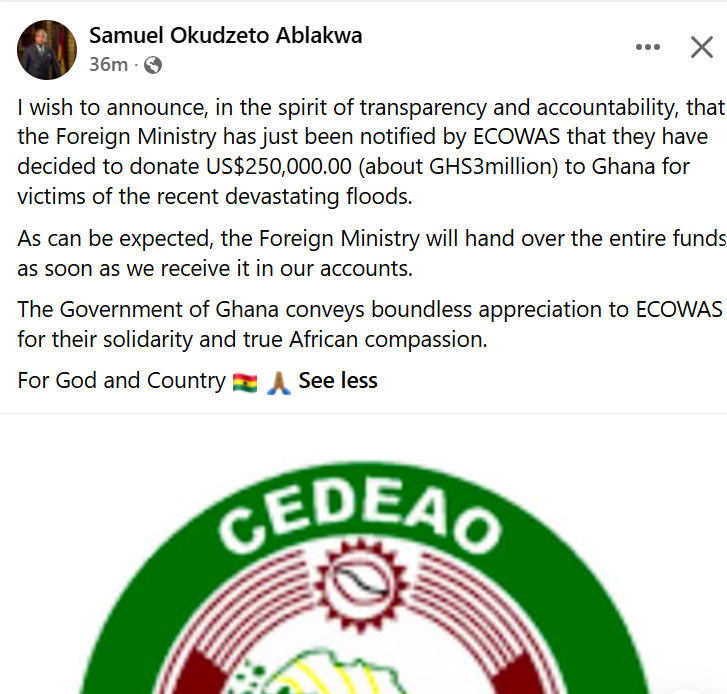
Ghana has received a US$250,000 donation from the Economic Community of West African States (ECOWAS) aimed at supporting victims of devastating floods that struck the country in June. Foreign Affairs Minister Samuel Okudzeto Ablakwa announced on Friday, October 16, that the full amount—equivalent to approximately GH¢3 million—has been transferred directly to the Adventist Development and Relief Agency (ADRA) for administration and distribution.
The decision to channel funds through ADRA represents a deliberate effort to ensure impartiality in relief distribution. According to the Minister, both the Ministry of Foreign Affairs and the National Disaster Management Organisation (NADMO) jointly selected ADRA as an independent implementing partner specifically to remove government from the beneficiary selection process. "Government will not be involved in the selection of who benefits from the relief package," Ablakwa stated, emphasising the commitment to transparent and accountable aid delivery.
Ensuring Transparent Relief Distribution
The arrangement reflects broader concerns about aid distribution mechanisms in post-disaster settings. By delegating management to an established international relief organisation, the government aims to prevent accusations of political bias or patronage in deciding which flood-affected communities receive assistance. ADRA, known for its humanitarian work across Africa, brings both technical expertise and credibility to the relief effort.
The timing of the announcement—some four months after the June floods—highlights the bureaucratic processes involved in mobilising international disaster support. ECOWAS member states typically coordinate such responses through formal channels, requiring documentation, agreement on implementing partners, and financial transfers, all of which take considerable time to process.
Why It Matters for Ghana
Natural disasters, particularly flooding, continue to pose significant challenges for Ghana's development. Seasonal rains regularly inundate low-lying communities, displacing families, destroying crops, and damaging infrastructure. The June floods affected multiple regions, with reports indicating substantial losses to property and livelihoods. International support through ECOWAS underscores West Africa's commitment to mutual aid during crises—a principle embedded in the regional bloc's founding framework.
Beyond immediate relief, this donation reflects Ghana's standing within ECOWAS and the willingness of member states to provide emergency assistance. The transparent distribution model also sets a precedent for future disaster responses, potentially influencing how international aid is managed within the region. For Ghanaians affected by the floods, ADRA's involvement should expedite the delivery of assistance compared to protracted government-led processes.
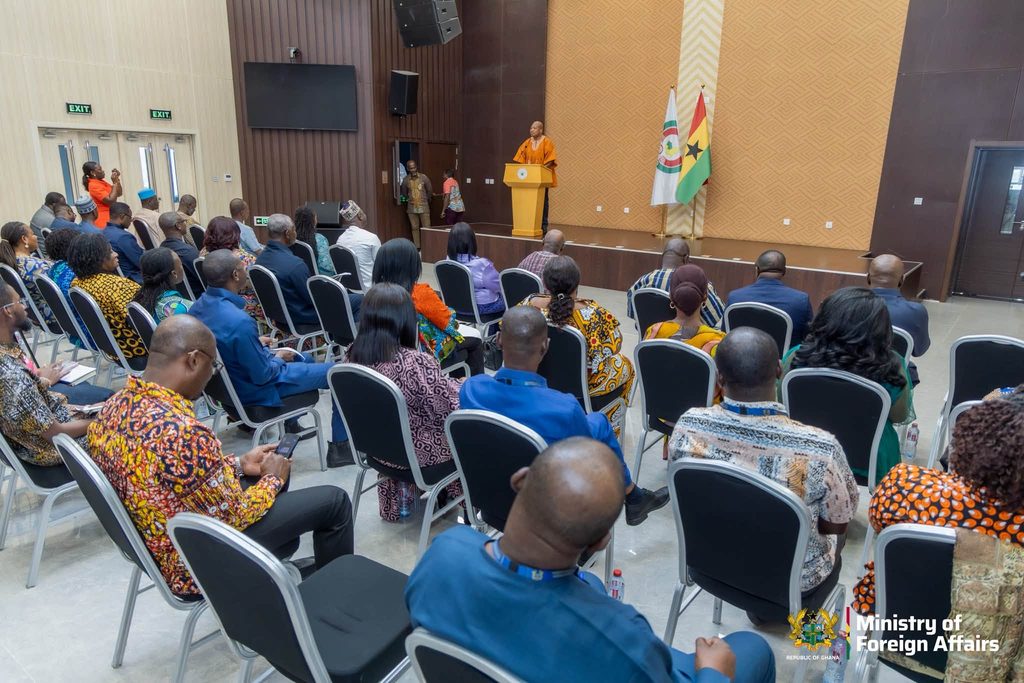
Minister Ablakwa made the announcement while inaugurating Ghana's National Consultative Committee on Regional Integration (NCCRI), a body tasked with overseeing ECOWAS's broader regional integration activities and social interventions in Ghana. This institutional setup reinforces formal collaboration between Ghana and ECOWAS on development and humanitarian matters.
Looking Forward
The government's emphasis on integrity and transparency in this relief effort suggests a broader commitment to improving governance in disaster management. As climate change intensifies weather patterns across West Africa, establishing reliable and accountable mechanisms for international aid distribution becomes increasingly important. The ECOWAS donation, though modest relative to total flood damage, provides immediate relief whilst setting expectations for how future regional assistance should be administered.
Source: MyJoyOnline

Comments (0)
Be the first to comment.