
Chief Justice Under Fire Over State Visits Amid Judiciary Infrastructure Crisis
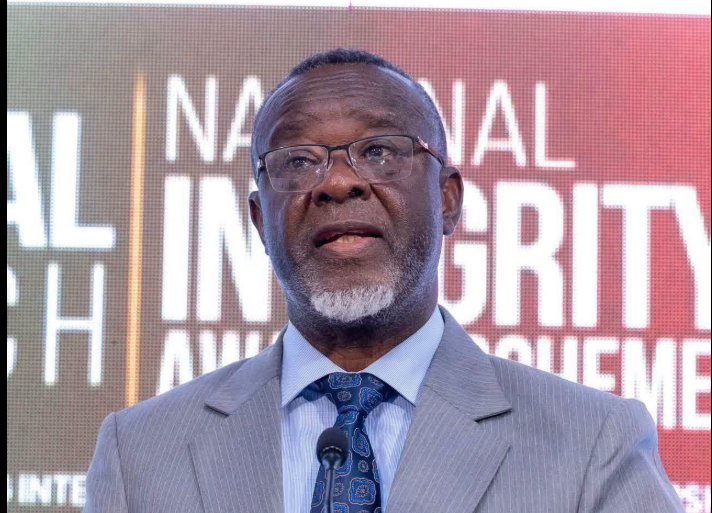

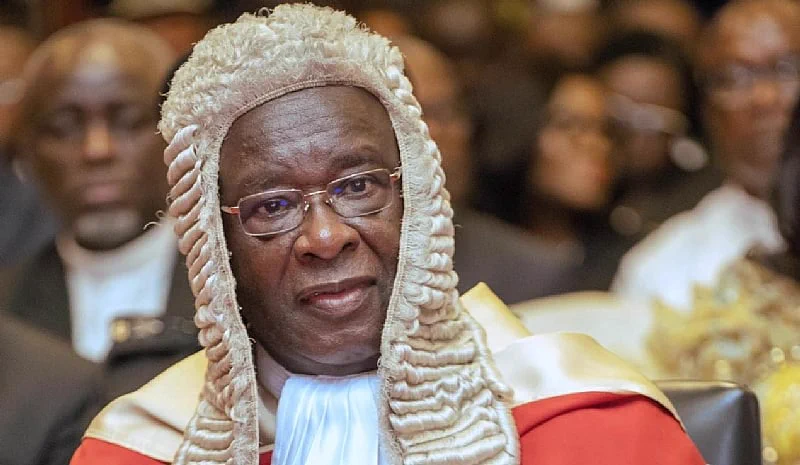
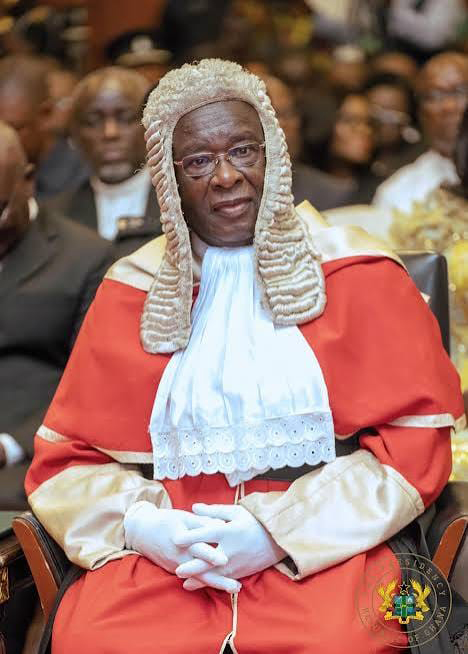
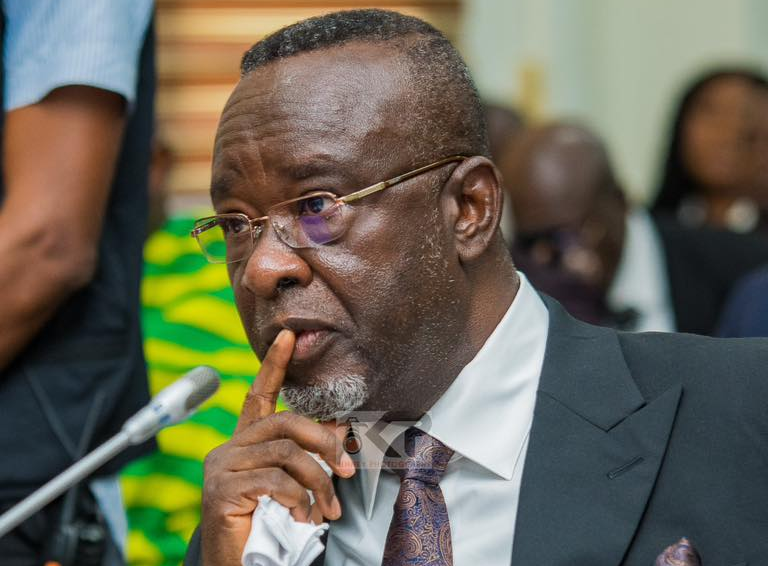
Ghana's judiciary has become the subject of fresh political controversy, with critic Haruna Mohammed questioning the appropriateness of the Chief Justice's recent visits to state institutions, particularly given the pressing infrastructural and resource challenges facing the courts across the country.
Mohammed's criticism centres on what he characterises as politically-charged statements made by the nation's top judicial officer, arguing that such conduct undermines the independence and impartiality expected of the judiciary. His remarks highlight a broader tension between the judicial and political branches of government, a recurring issue in Ghana's democratic landscape.
The Core Issue: Resources vs. Public Engagements
At the heart of the dispute is a fundamental question about priorities. Mohammed points out that while the Chief Justice undertakes visits to state-owned institutions, Ghana's courts continue to operate under significant constraints. The judiciary has long grappled with inadequate vehicle allocations, insufficient infrastructure, and limited resources needed to deliver timely and effective justice across the country's regions.
The criticism suggests that high-profile state visits, particularly those perceived as politically motivated, may distract from urgent operational needs. Courts in many parts of Ghana continue to function in substandard facilities, with judges and staff lacking basic resources to perform their duties efficiently. These structural challenges have contributed to case backlogs and delayed trials affecting ordinary Ghanaians seeking redress.
Why It Matters for Ghana
This controversy touches on several critical issues for Ghana's democracy and governance. First, it raises questions about judicial independence—one of the foundational pillars of the nation's constitutional order. When the judiciary's leadership is perceived as engaging in partisan political activity, public confidence in the courts as impartial arbiters can be undermined.
Second, the debate highlights the severe resource constraints plaguing Ghana's justice system. Citizens across the country depend on functioning courts to resolve disputes, protect their rights, and hold wrongdoers accountable. Without adequate vehicles, courtrooms, and infrastructure, the judiciary cannot fulfil these critical functions, particularly in rural and remote areas.
Third, this incident reflects ongoing tensions between Ghana's institutions as they navigate their respective roles and responsibilities. The judiciary, executive, and legislature must operate with clear boundaries to prevent institutional overreach and maintain democratic balance.
Broader Context
Ghana's judiciary has periodically faced criticism regarding its independence and operational effectiveness. Concerns about adequate funding, staff welfare, and infrastructure have been raised by judges and civil society organisations alike. Meanwhile, questions about the politicisation of judicial leadership are not new to Ghana's political discourse, and they often emerge during periods of political tension.
The call for an apology from the Chief Justice suggests deep frustration among some political actors about the perceived direction of judicial leadership. Whether such criticism reflects legitimate institutional concerns or partisan positioning remains a matter of perspective, but it underscores the importance of transparent dialogue between Ghana's branches of government.
Going forward, the judiciary will likely need to balance its constitutional mandate with the realities of limited resources and the need to maintain public confidence in its impartiality. High-profile statements and visits should ideally be accompanied by visible progress on the courts' infrastructure and operational challenges to demonstrate that leadership attention translates into tangible improvements for ordinary Ghanaians accessing justice.
Source: 3News


Comments (0)
Be the first to comment.