
Cedi Sheds Over 10% of Its Value Against the Dollar in 2025 — What It Means for Your Pocket
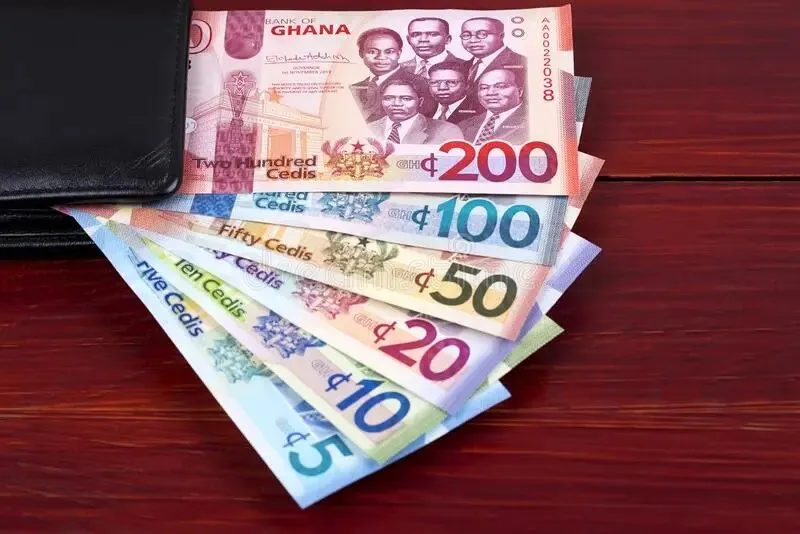

The Ghanaian cedi has lost more than a tenth of its value against the United States dollar in the first months of 2025, with Bank of Ghana figures showing the local currency now trading at GH¢11.69 to the dollar — a depreciation of 10.6 per cent since the start of the year. Losses against the British pound and the euro have been comparatively smaller, though the dollar slide is the most consequential given how heavily Ghana's import trade and external debt are denominated in that currency.
How the numbers stack up
A 10.6 per cent fall in just a few months is a significant move for any currency, and it places fresh pressure on an economy still working its way through a demanding debt restructuring programme. The dollar remains the benchmark currency for Ghana's oil imports, pharmaceutical purchases, electronics and most raw materials that local manufacturers rely upon. When the cedi weakens against the dollar, the cost of all those goods rises in local currency terms before it even reaches the shelves.
The slide against the pound and the euro, while less severe in percentage terms, also matters. Many Ghanaian businesses that trade with Europe and the United Kingdom — including cocoa exporters who invoice in sterling or euros — will be watching those rates closely. For Ghanaians sending money home from the UK or eurozone countries, the weaker cedi does mean remittances go further when converted, offering a partial silver lining for recipient households.
Why it matters for Ghana
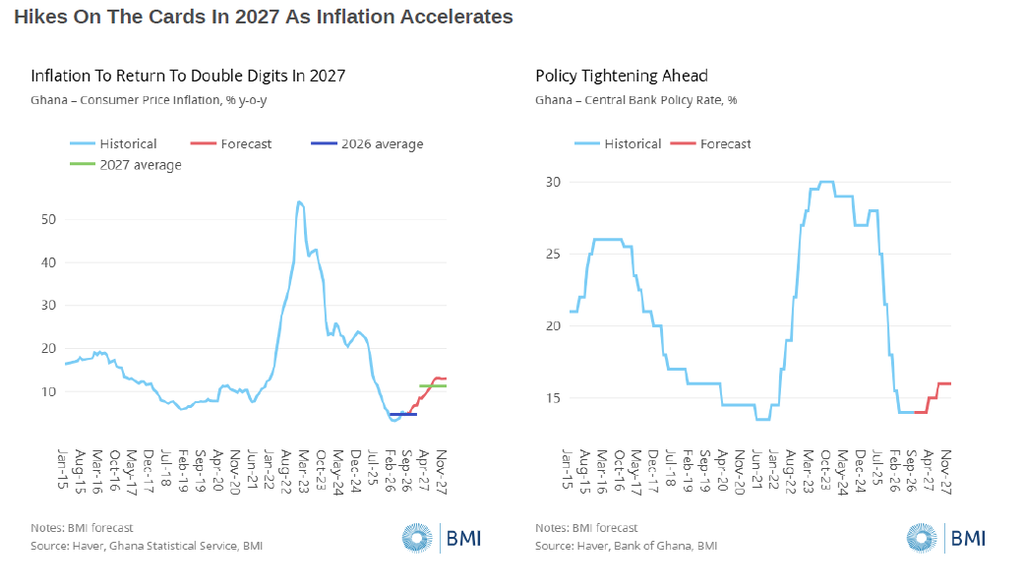
Ghana is currently implementing a home-grown economic recovery programme supported by the International Monetary Fund. A key pillar of that programme is restoring macroeconomic stability, which includes keeping inflation on a downward path and managing exchange rate volatility. A sharp cedi depreciation complicates both objectives: it pushes up the cost of imported goods, which feeds directly into consumer price inflation, and it increases the cedi value of any external debt obligations that have not yet been restructured.
For ordinary Ghanaians, the practical consequences are felt at the pump, in the market and in utility bills. Fuel prices in Ghana are adjusted periodically to reflect both the world price of crude oil and the exchange rate, so a weaker cedi can translate into higher transport costs that ripple through the entire economy. Imported food items, cooking oil, medicines and electronic goods are all likely to become more expensive if the depreciation persists.
Businesses that import raw materials face a similar squeeze on their margins, and some may pass those costs on to consumers. Small and medium enterprises without access to foreign currency hedging tools are particularly exposed.
The bigger picture
The cedi has had a turbulent few years. Ghana's 2022 economic crisis, which led to the IMF programme and a comprehensive debt restructuring exercise, was accompanied by severe currency weakness. Authorities have worked to stabilise the exchange rate since then, and there were periods of relative calm in 2023 and 2024. The renewed pressure seen in 2025 will therefore be a concern for policymakers at the Bank of Ghana, who have a mandate to maintain price stability and support the broader recovery effort.
Analysts and market watchers will be looking at whether the central bank intervenes in the foreign exchange market to slow the slide, and what the trajectory of dollar inflows — from cocoa, gold, oil and remittances — looks like in the coming months. Strong export earnings and steady remittance flows have historically been the cedi's most reliable supports.
- For now, Ghanaians should expect the depreciation to show up gradually in the prices of imported goods and services, and to monitor Bank of Ghana communications for any policy response.
Source: 3News



Comments (0)
Be the first to comment.