Wontumi's NPP chairmanship bid sparks constitutional eligibility row
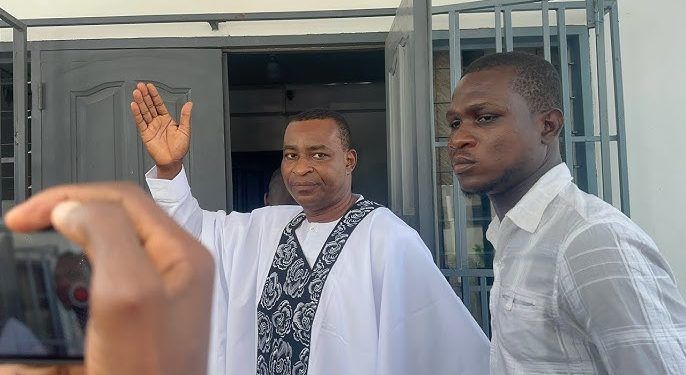
The decision by Ashanti Region NPP Chairman Wontumi to obtain nomination forms for the party's national chairmanship election has ignited a significant constitutional debate about whether individuals convicted of serious crimes can legally hold high party office in Ghana.
Wontumi is currently serving a 20-year prison sentence for illegal mining activities, yet has formally entered the race to lead the National Patriotic Party at the grassroots level. His candidacy has forced a reckoning with Ghana's constitutional provisions governing eligibility for political leadership positions.
What Ghana's Constitution says
Ghana's 1992 Constitution contains specific provisions that disqualify certain individuals from holding political office. The Constitution, particularly Articles relating to candidacy qualifications, establishes that persons convicted of criminal offences involving moral turpitude or sentenced to custodial terms may face restrictions on contesting for public positions.
However, a critical distinction exists between candidacy for public elected office (President, Members of Parliament) and leadership of a political party itself. Party chairmanship, whilst significant, operates within the internal governance structure of a private organisation rather than as a constitutionally-defined public office. This distinction may create legal ambiguity about whether constitutional disqualifications automatically apply to party leadership contests.
Legal scholars have noted that whilst the Constitution explicitly regulates candidacy for state offices, the regulation of party internal elections falls primarily within the purview of political party constitutions and electoral laws. The NPP's own party constitution would be the primary governing document determining eligibility for party positions.
Why it matters for Ghana
This case exposes a potential governance loophole in Ghana's political system. As the nation continues to strengthen its democratic institutions, questions about whether convicted individuals should hold positions of influence within major political parties remain unresolved.
The situation has implications beyond Wontumi's individual candidacy. It raises broader questions about party accountability, leadership standards, and whether Ghana's legal framework adequately prevents individuals under serious criminal conviction from wielding significant political influence. If a serving prisoner can contest for major party positions, critics argue, it undermines public confidence in political institutions.
For the NPP specifically, the issue creates internal tension. The party must balance constitutional interpretation with its own party rules and the democratic principle of allowing party members to choose their leaders. How the party leadership responds—whether by blocking his candidacy through party rules or allowing the electoral process to proceed—will set precedent for future scenarios.
The path forward
Several outcomes are possible. The party could invoke its own constitution to disqualify him, the Electoral Commission might intervene if party elections fall under its purview, or party delegates could reject his candidacy at the polls themselves. Each approach carries different implications for intra-party democracy and constitutional interpretation.
What remains clear is that Ghana's legal framework needs clarification on these points. As the country matures politically, establishing explicit rules about whether incarcerated or convicted individuals can hold party leadership positions would prevent future ambiguity and strengthen democratic norms across all institutions.
Source: 3News



Comments (0)
Be the first to comment.