NPP's Constitutional Shift: Smith Butey Opposes Plan to Crown Flagbearer as Party Leader
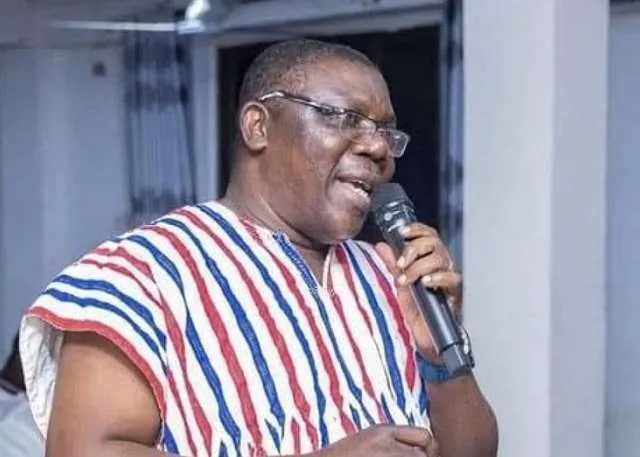
A significant internal debate has erupted within Ghana's opposition New Patriotic Party (NPP) over proposed constitutional amendments that would consolidate party leadership structures. Danquah Smith Butey, the party's former Acting National Chairman, has publicly rejected proposals to make the presidential flagbearer the de facto leader of the party, raising concerns about governance and internal party dynamics.
The Proposed Amendment and Smith Butey's Objection
The NPP is reportedly considering constitutional changes that would grant the flagbearer—typically the party's presidential candidate—formal authority over party operations and decision-making processes. Smith Butey's rejection of this proposal signals tension within the party's leadership structures between those advocating for streamlined command and those favouring separation of powers within party governance.
The former Acting Chairman's position suggests concerns about consolidating too much power in the hands of a single individual, particularly one whose primary focus during election cycles is campaigning for the presidency rather than managing party machinery and membership affairs.
Why It Matters for Ghana
This internal NPP disagreement carries implications for Ghana's broader democratic and political landscape. As one of two major political parties dominating Ghanaian politics, constitutional changes within the NPP directly affect how the party functions, makes decisions, and potentially governs should it return to power. The structure of party leadership influences candidate selection processes, policy formulation, and party discipline—all matters that ultimately affect how the party would govern.
The debate also reflects wider discussions in African politics about balancing efficient leadership with internal democratic practices. Many parties struggle with the tension between allowing strong executive leadership and maintaining internal checks and balances that prevent abuse of power.
Additionally, how the NPP resolves this question may set precedents or spark similar conversations within the ruling National Democratic Congress (NDC) and other political organisations, potentially influencing institutional development across Ghana's party system.
Party Governance and Internal Democracy
Political parties serve dual roles in democratic systems: they function as vehicles for candidates seeking office whilst simultaneously operating as membership organisations requiring internal governance structures. The NPP's current debate centres on where to draw the line between these functions.
Smith Butey's intervention suggests the party contains voices concerned about whether merging the flagbearer role with party leadership would strengthen or weaken overall party operations. Critics of such consolidation often argue that a flagbearer focused on winning an election may neglect day-to-day party management, whilst supporters contend that unified leadership provides clarity and decisiveness.
The resolution of this matter will likely emerge from ongoing party consultations and formal amendment procedures. How the NPP handles this internal disagreement—whether through consensus-building or contested votes—will reveal much about its internal culture and democratic health as an institution.
Source: 3News

Comments (0)
Be the first to comment.