
Women traders face illegal levies and harassment at Ghana's borders with no way to report abuses
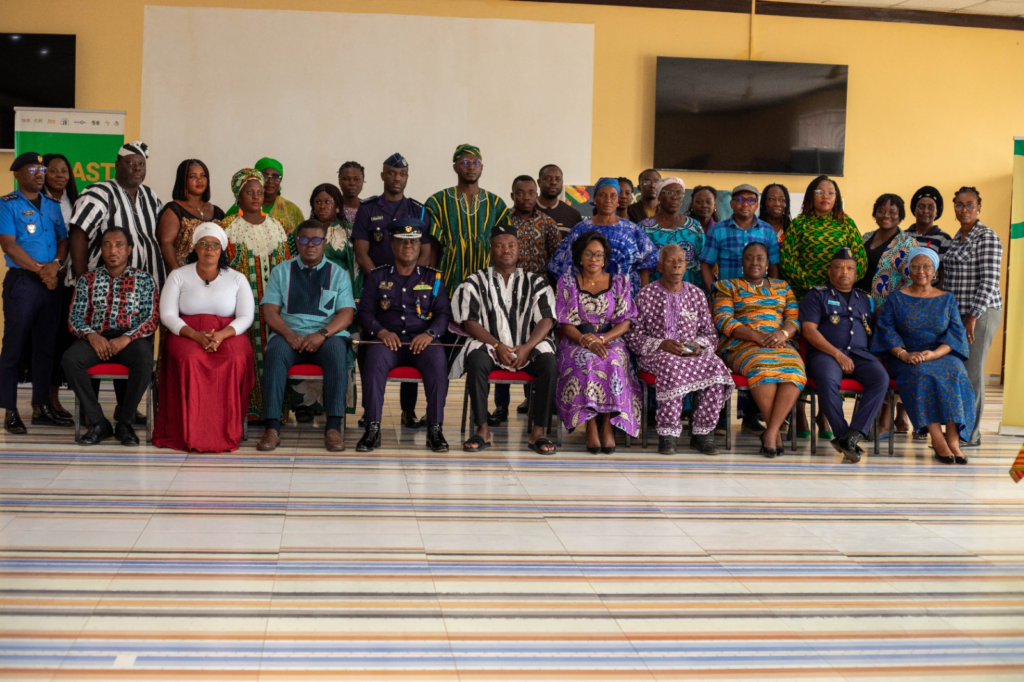

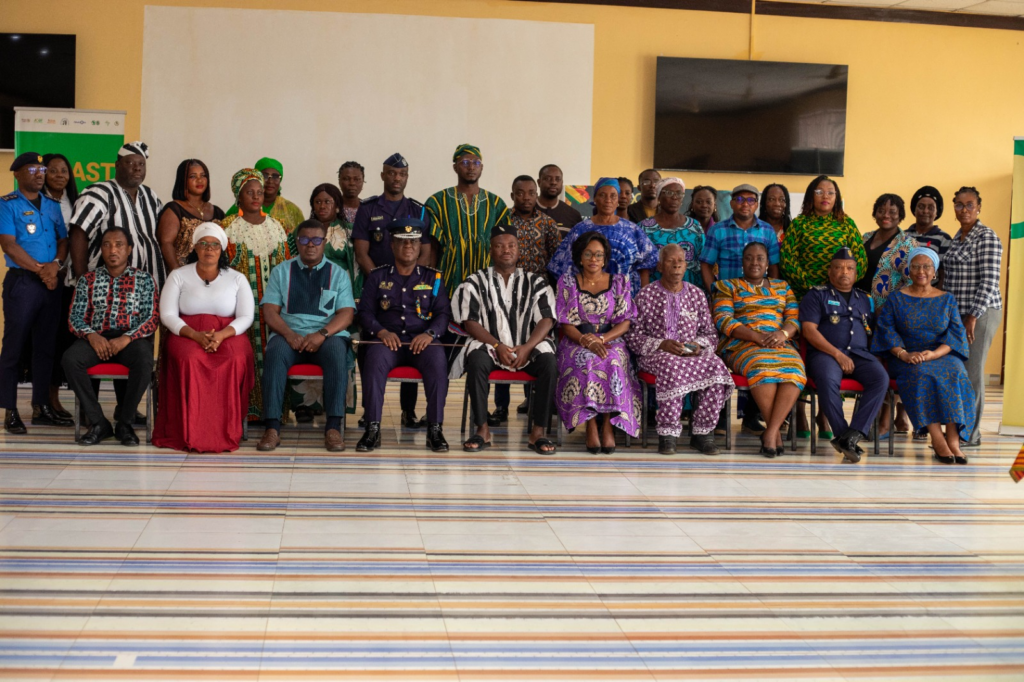
Women engaged in cross-border trade at Ghana's major border crossings are routinely subjected to harassment, undocumented charges, prolonged delays and the confiscation of goods — yet there is currently no formal mechanism in place for them to report these abuses. That is the damning picture that emerged from a high-level stakeholder dialogue on safe and inclusive trade held in Aflao, Volta Region, organised by the African Capacity Building Foundation (ACBF) in collaboration with the Ghana National AfCFTA Champions.
Traders' representatives from five key border communities — Elubo, Hamile, Paga, Aflao and Akanu — shared accounts of officials levying unauthorised charges, arbitrarily seizing goods and creating an environment of fear and uncertainty that makes cross-border trade precarious, particularly for women.
A system with no safety net for traders
Perhaps the most alarming revelation at the Aflao dialogue was an admission from the Ghana Revenue Authority (GRA) Customs Division that no formal complaint channels specifically designed to protect traders from harassment currently exist at Ghana's borders. GRA's representative, Joseph Mills, indicated that traders can lodge complaints at the office of the sector commander — an informal arrangement that many find inaccessible, intimidating or simply unknown to them.
The National Cross-Border Women Traders Association confirmed this vacuum, noting that the overwhelming majority of affected traders choose to report grievances to the association rather than to Customs or Immigration officials. This preference speaks volumes: when the very agencies responsible for border management are perceived as the source of the problem, traders are unlikely to trust those same agencies with their complaints.
Limited access to clear, up-to-date information on approved border procedures compounds the problem. Without knowing what fees are legitimate and what constitutes an abuse of office, traders are left vulnerable to exploitation by officials who may operate with little accountability.
Why it matters for Ghana
Ghana is a signatory to the African Continental Free Trade Area (AfCFTA) agreement, which aims to create a single African market by reducing tariffs, harmonising regulations and making trade easier across the continent. The AfCFTA has the potential to significantly boost intra-African commerce — and informal cross-border traders, particularly women, are a critical part of that ecosystem. Studies across sub-Saharan Africa consistently show that women make up a large proportion of small-scale cross-border traders, and that their participation drives local economic development and household food security.
Yet as the Aflao dialogue made clear, Ghana's on-the-ground border practices are out of step with its continental commitments. AfCFTA National Coordinator Dode Seidu called for simplified and gender-responsive trade procedures, stronger inter-agency coordination, accessible trade information and effective complaint channels — reforms that are essential if Ghana is to translate its AfCFTA obligations into meaningful change for ordinary traders.
The dialogue was convened under the African Development Bank-funded CADAST programme, implemented in collaboration with ESAMI-TRAPCA, which aims to bring continental trade commitments in line with operational realities at the border level.
What comes next: a Joint Action Plan
Stakeholders at the meeting did not leave empty-handed. A Joint Action Plan was developed, with concrete proposals designed to address the structural gaps laid bare during the discussions. Key elements of the plan include:
- A border-level grievance-redress mechanism to give women traders a safe, accessible channel to report abuses and violations.
- An institutionalised platform for informal trader representation in national AfCFTA policy processes, ensuring the voices of small-scale traders shape decisions on border governance.
- Digitalisation of border processes by the Ghana Immigration Service and GRA Customs, including digital travel itineraries and the public posting of all approved fees — a measure that would make arbitrary charges far harder to impose.
- Gender-responsive training and infrastructure improvements at border communities, to be led by the Ministry of Trade, Agribusiness and Industry alongside the Ministry of Gender, Children and Social Protection.
The Paramount Chief of Aflao, Torgbui Adzonugaga Amenya Fiti V, lent traditional authority to the calls for reform, advocating for the establishment of a permanent Aflao Border Stakeholders Committee to bring together security agencies, traders and community leaders. He also backed the full publication and digitalisation of approved border fees as a critical transparency measure.
Whether these recommendations translate into policy action will depend on political will and sustained pressure from civil society. For now, thousands of women traders crossing Ghana's borders daily remain exposed to a system that has yet to fully protect them.
Source: MyJoyOnline


Comments (0)
Be the first to comment.