
Ghana's GH¢31bn informal border trade throttled by harassment, hidden fees and red tape — despite AfCFTA promises
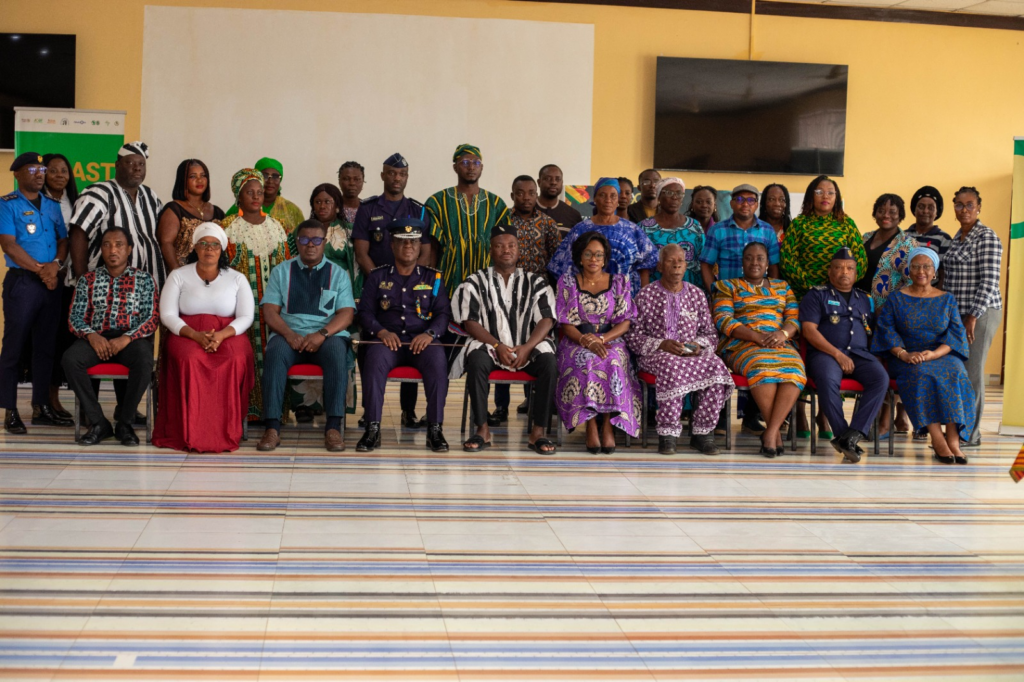

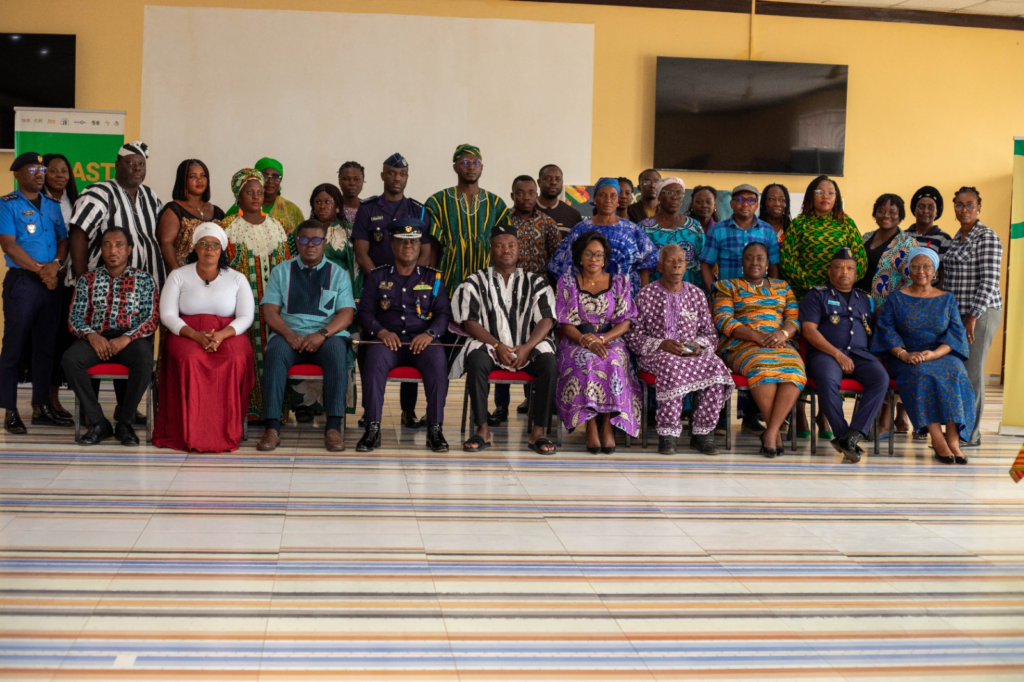
Informal cross-border trade in Ghana generated an estimated GH¢31 billion in just the first three quarters of 2025 — yet the traders driving that figure, most of them women, continue to face harassment, undocumented levies, confiscated goods and hours-long delays at the country's land borders. A stakeholder dialogue held in Aflao, Volta Region, has thrown a sharp spotlight on the widening gap between Ghana's continental trade commitments and the daily reality at its border crossings.
The scale of the problem
Data from the Ghana Statistical Service, cited at the Aflao forum, reveal that informal cross-border trade was roughly 54 per cent higher than trade recorded through formal land channels during the same period — and accounted for about six per cent of Ghana's total trade. Those are significant numbers for an activity that largely operates outside formal systems and receives little institutional support.
Female traders from five key border communities — Elubo, Hamile, Paga, Aflao and Akanu — gave firsthand accounts of their experiences: arbitrary charges levied by officials, goods seized without clear legal basis, opaque procedures and virtually no avenue for lodging complaints. Many said the hostility and unpredictability of the border environment was actively discouraging them from attempting to transition into formal trade networks, defeating a core objective of both ECOWAS and AfCFTA frameworks.
The National Coordinator of the AfCFTA National Coordination Office, Dode Seidu, acknowledged the disconnect plainly, noting a significant gap between the commitments enshrined in the continental agreement and what traders actually encounter at Ghana's borders. He called for simplified, gender-responsive trade procedures alongside better infrastructure, accessible trade information and stronger coordination among the multiple agencies that operate at border points.
What authorities are doing — and what is still missing
The Ghana Revenue Authority's Customs Division has pointed to its Simplified Goods Declaration system as a step toward easing the burden on small-scale traders, with officials indicating the authority is working to streamline border operations. However, stakeholders at the dialogue were clear that the existing AfCFTA and ECOWAS simplified trade arrangements do not yet contain specific, enforceable protections for small-scale operators — meaning traders remain exposed even where agreements exist on paper.
A Joint Stakeholder Action Plan adopted at the meeting lays out several concrete proposals: digitalisation of border processes, publication of all approved and legal fees so traders know exactly what they should and should not be paying, and the introduction of digital travel itineraries. The Ghana Immigration Service and GRA Customs have been assigned responsibility for taking these measures forward, while the Ministries of Trade, Agribusiness and Industry and Gender, Children and Social Protection are expected to support infrastructure upgrades and trader empowerment programmes.
The Paramount Chief of Aflao, Torgbui Adzonugaga Amenya Fiti V, used the platform to call for the transformation of Aflao into a modern logistics and commercial hub — a move he argued would create tangible economic opportunities for women, youth and businesses in border communities that currently operate in the margins.
Why it matters for Ghana
Ghana is home to the AfCFTA Secretariat and has positioned itself as a champion of continental free trade. Yet the experiences described in Aflao expose a credibility problem: a country hosting the architecture of Africa's biggest trade agreement cannot afford to have its own small-scale traders — the backbone of border economies — routinely harassed and financially squeezed out of participating in that agreement.
Beyond the reputational dimension, the economic stakes are concrete. Informal trade at GH¢31 billion over nine months represents livelihoods, household incomes and community revenues that could grow substantially if barriers were removed. Research consistently shows that women bear a disproportionate share of these border burdens, meaning gender inequality is both a cause and a consequence of the current dysfunction.
The dialogue, organised by the African Capacity Building Foundation in collaboration with Ghana's AfCFTA Champions and funded through the African Development Bank's CADAST programme, represents a useful first step. But stakeholders were unanimous that action — transparent fees, simplified procedures, real grievance mechanisms and improved border infrastructure — must follow swiftly if Ghana is to translate its AfCFTA leadership into tangible benefits for the traders who need it most.
Source: MyJoyOnline



Comments (0)
Be the first to comment.