
Africa must seize economic power through trade unity, says Namibian president
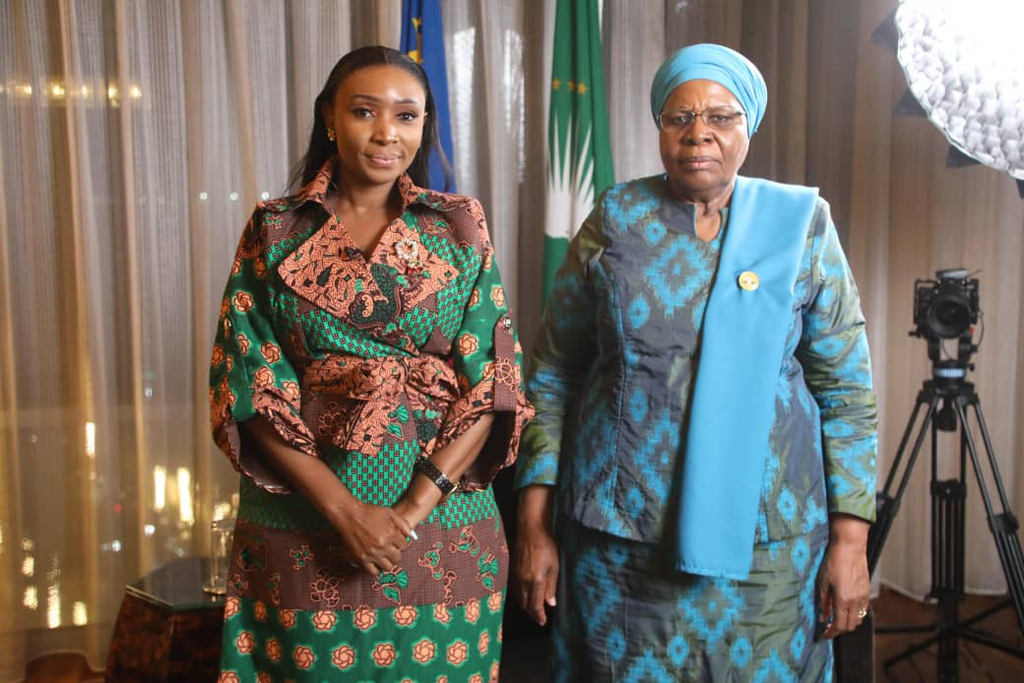

Namibian President Netumbo Nandi-Ndaitwah has made a compelling case for African nations to stop relying on external powers to shape their economic futures and instead harness the continent's vast natural resources and young population to drive global influence. Speaking on Diplomatic Affairs with Harriet Nartey on Joy Prime, the president stressed that Africa's greatest asset lies not only in its mineral wealth but in recognising its inherent strength as a continent of over a billion people.
The message is particularly resonant for Ghana and other West African nations grappling with how to position themselves in an increasingly multipolar global economy. President Nandi-Ndaitwah's vision challenges the narrative that African countries must accept external frameworks for trade and development, arguing instead that the continent possesses sufficient economic leverage to define its own rules and priorities.
The case for African economic self-determination
At the heart of the Namibian president's argument is a fundamental shift in mindset. Rather than viewing Africa as a continent that must conform to globally established trade rules and investment frameworks, she contends that African nations should confidently set their own economic boundaries and negotiate from a position of strength. "Africa can take its own decisions and defend their decisions," she stated, emphasising that the continent should invite external partners on its own terms rather than accepting whatever terms outsiders impose.
This perspective addresses a long-standing critique of how African nations have engaged with the global economy. Historically, many African countries have adopted trade frameworks and governance structures developed by wealthy nations, often to their disadvantage. The president's call to reshape rules of origin and other trade mechanisms reflects a growing recognition that one-size-fits-all international frameworks often fail to account for Africa's specific economic needs and competitive advantages.
Why it matters for Ghana and West Africa
For Ghana, which continues to balance relationships with traditional trading partners like Europe and America whilst deepening ties within Africa, this message carries immediate relevance. The success of the African Continental Free Trade Area (AfCFTA), in which Ghana is an active participant, depends on countries genuinely prioritising intra-African trade and economic cooperation over external relationships.
President Nandi-Ndaitwah's emphasis on strengthening regional trade has direct implications for Ghana's economic strategy. If West African nations can successfully redirect trade flows to prioritise regional partners, domestic industries could strengthen, local manufacturing could expand, and the region's collective bargaining power in global negotiations would increase substantially. The president's suggestion that a strengthened AfCFTA would make the continent more attractive to external investors paradoxically strengthens Africa's negotiating position by reducing dependency on any single external partner.
Additionally, Ghana's large youth population and emerging sectors in technology, agriculture, and renewable energy align perfectly with the Namibian leader's vision of harnessing human capital for continental development. If African countries can create robust internal markets through deeper trade integration, young Ghanaians and other Africans could find greater opportunities for entrepreneurship and employment within the continent rather than seeking opportunities abroad.
Building confidence in African solutions
Beyond trade mechanics, the president's remarks reflect a broader call for African confidence in solving African problems. She challenges the tendency to import solutions and frameworks wholesale rather than adapting international best practices to local contexts. This philosophy extends beyond economics to governance, technology, and development strategy.
The Namibian leader's vision suggests that Africa's future prosperity depends less on external aid or investment—though these remain useful—and more on internal coordination and mutual support. If countries like Ghana, Namibia, Nigeria, and others can align their economic policies and trade practices around shared African interests rather than competing for individual external partnerships, the continent could negotiate far more favourable terms with global powers.
Source: MyJoyOnline


Comments (0)
Be the first to comment.