
Ghana's Payment System Model Offers Blueprint as Africa Pushes for Seamless Cross-Border Trade
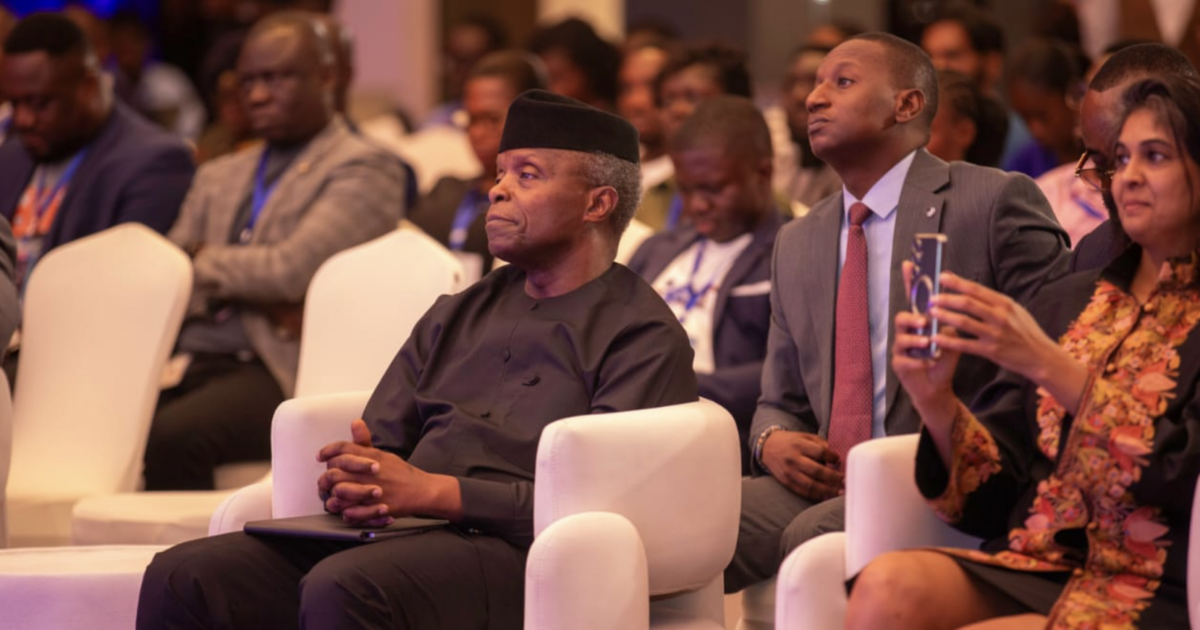

Africa's ambitious trade integration agenda faces a critical infrastructure challenge: the absence of seamless, affordable cross-border payment systems that allow businesses and individuals to move money across national boundaries efficiently. This gap, highlighted by former Nigerian Vice-President Yemi Osinbajo at the Mobex Africa Conference 2026, threatens to undermine continental efforts to deepen economic cooperation and unlock billions in regional trade opportunities.
The core problem is straightforward but persistent. While many African countries have developed robust domestic payment systems, crossing borders remains expensive and complex. Traders and businesses still rely on correspondent banking arrangements—chains of intermediaries outside the countries involved—adding layers of cost and delay that make regional commerce less attractive than trading with partners outside Africa. For small businesses and informal traders, these barriers can be insurmountable.
Ghana's Success Offers a Continental Blueprint
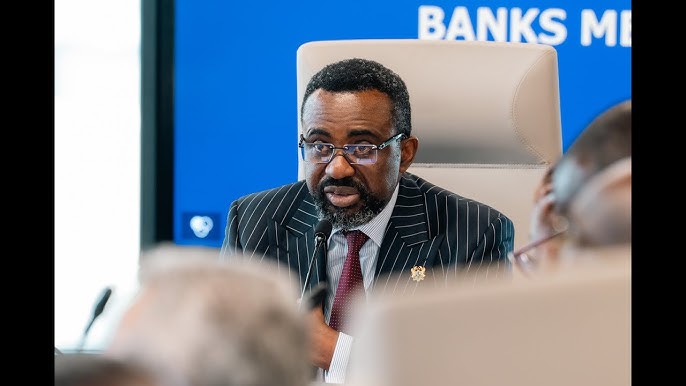
Ghana's approach to payment infrastructure has become a model for the continent. According to Owureku Asare, Director of the Fintech and Innovation Office at the Bank of Ghana, Ghana's success stems from three key elements: sustained public investment in payment systems, strong institutional leadership, and enabling regulation that fosters both security and competition.
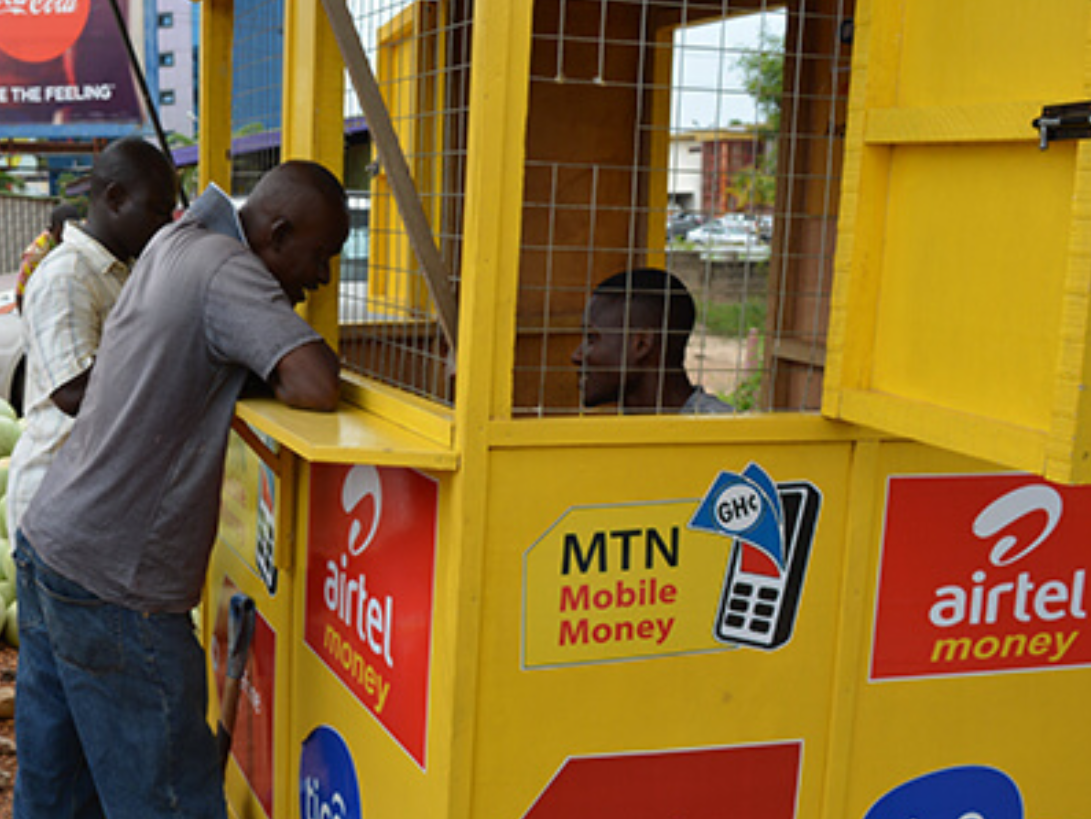
Ghana's framework has created connectivity among banks, microfinance institutions and other service providers, demonstrating that thoughtful policy can improve financial system inclusivity without compromising stability. This model is particularly relevant as the African Continental Free Trade Area (AfCFTA) seeks to increase intra-African trade. Without payment systems that match the ambition of the trade agreement, merchants will continue facing friction that outweighs the benefits of tariff reduction.
The Bank of Ghana has committed to working with other central banks, regional institutions and industry partners to extend this approach across Africa—a recognition that continental payment integration requires coordination beyond Ghana's borders.
Why This Matters for Ghana and the Continent
Ghana stands at a crossroads. As a relatively advanced financial hub in West Africa, improving regional payment connectivity directly benefits Ghanaian traders, financial institutions and exporters seeking to access larger markets. A trader in Accra exporting textiles to Abuja faces the same payment friction as a Nigerian exporter—and both lose competitiveness when a merchant in Shanghai faces fewer barriers.
But the opportunity extends beyond commerce. Osinbajo emphasised that digital financial services could unlock transformative benefits for households and small businesses, particularly in underserved areas. Improved access to financial information and better lending decisions enabled by digital integration could expand credit availability across the region.
The challenges, however, are not merely technical. Osinbajo stressed that integration requires trust, common regulatory standards, and effective cooperation among central banks and governments. Privacy concerns—traders worry that formal digital systems expose them to tax authorities or other oversight—discourage participation in formal systems. Safeguarding personal and business information while enabling growth demands careful policy design.
Financial stability and resilience must also be protected. As payment systems become more interconnected across borders, a failure in one country's infrastructure could ripple across the continent. Central banks must strengthen their financial infrastructure while regulators establish supportive policy environments.
The Path Forward
Ghana's role in this continental effort should be strengthened. The Bank of Ghana's demonstrated capacity to build secure, accessible and innovative payment systems positions the country as both a beneficiary and a leader in regional integration. Extending Ghana's model across the ECOWAS region and beyond requires continued investment, regulatory coordination, and commitment to standards that protect both innovation and stability.
The stakes are high. Without addressing payment infrastructure, the AfCFTA risks remaining an agreement on paper rather than a catalyst for genuine economic transformation. Ghana's experience shows it is possible to build systems that work—and that lesson needs to reach across Africa.
Source: MyJoyOnline



Comments (0)
Be the first to comment.