
Upper West Minister Champions Human Capital Over Natural Resources in Regional Development Drive
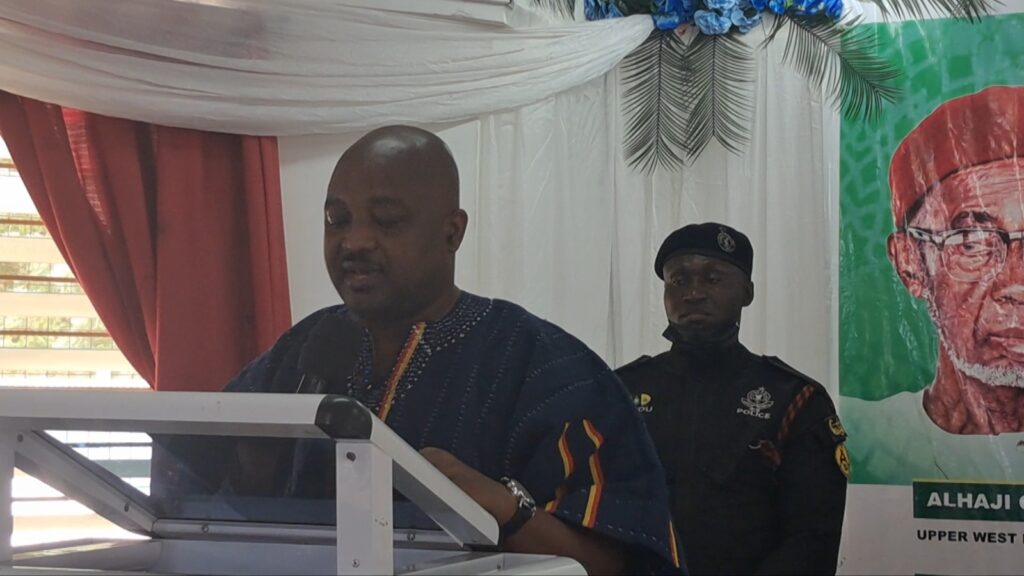
The Upper West Regional Minister has put forward a compelling vision for the region's future, arguing that Ghana's development hinges not on mineral wealth or agricultural land, but on the quality and potential of its human resources. Speaking at the fourth annual gathering of the Chief Imam's Educational Endowment Fund in Wa, Charles Lwanga Puozuing declared that strategic investment in education, skills training and character development must become the cornerstone of Upper West's progress.
The August 2026 event, themed around combating youth violence through education and peacebuilding, brought together regional leaders, educators and community stakeholders to assess how targeted scholarship support can address both poverty and social instability in one of Ghana's most under-resourced regions.
From Apprehension to Trust: Four Years of Community-Led Scholarship Work
The Chief Imam's Fund, now in its fourth year, began as a bold experiment in collective responsibility. Officials overseeing the scheme initially faced scepticism about whether citizens would contribute to a scholarship pool without expecting immediate personal returns. Yet the initiative has grown steadily, demonstrating that sustained credibility and transparent governance can unlock community generosity.
The Fund's recent data reveals significant evolution in its impact profile. In 2023, the scheme supported 29 students across the region – 17 male and 12 female beneficiaries. By 2024, the total had risen to 49 supported students, with female beneficiaries jumping dramatically from 41.4 per cent to 59.2 per cent of the cohort. This gender rebalancing reflects deliberate institutional effort to address barriers that disproportionately exclude girls from tertiary education.
Beneficiaries now come from more than 29 communities across Upper West, including Wa, Wa, Nandom, Lambussie, Damongo and numerous smaller settlements. They are pursuing diverse qualifications – from Medicine and Pharmacy to Law, Engineering, Education and Business Management – creating a pipeline of professionals equipped to return and serve their regions.
Why It Matters for Ghana: Breaking Cycles of Poverty and Violence
Upper West has historically lagged behind other regions in educational attainment and economic opportunity. Youth unemployment, limited access to quality tertiary education, and the associated frustrations have contributed to rising social tensions. By pooling resources through faith-based institutions that command community trust, the region is experimenting with locally-owned solutions to problems that central government resources alone cannot resolve.
The Fund's deliberate inclusion of Christian students within a Muslim-administered scheme – representing roughly 8 per cent of beneficiaries – also signals an important message during a period when religious and ethnic tensions have occasionally flared in parts of northern Ghana. Scholarship allocation based purely on merit and need, regardless of faith, reinforces the principle that shared development transcends sectarian boundaries.
The Minister's emphasis on character formation alongside academic achievement addresses a critical gap in Ghana's education discourse. As youth violence emerges as a leading cause of preventable deaths in some regions, interventions that combine skills training with values education – discipline, respect, tolerance, peaceful coexistence – offer a more holistic pathway than qualification alone.
Government Support and Collective Responsibility
Minister Puozuing pledged continued government backing for such grassroots initiatives, framing educational access as a shared responsibility across government, educators, families and young people themselves. He called on regional stakeholders to move from rhetoric to sustained action, ensuring that every child in Upper West sees education as both accessible and worthwhile.
The Fund's transparency requirements – emphasised by both the Minister and Fund officials – will be crucial to maintaining public confidence and donor participation as the scheme expands. As Upper West continues to wrestle with demographic and economic challenges, this model of community-mobilised educational support offers a replicable template for other regions seeking sustainable, locally-rooted development pathways.
Source: MyJoyOnline


Comments (0)
Be the first to comment.