Abuburo Nkosuah Foundation Unveils Nationwide Expansion Plan Across All 16 Ghanaian Regions
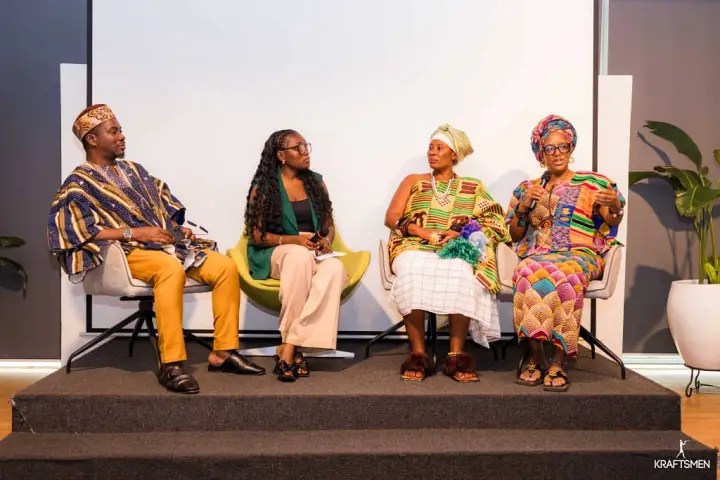
The Abuburo Nkosuah Foundation has announced a significant expansion of its community development programmes, with plans to reach all 16 regions of Ghana in 2027. The roadmap was unveiled at the Foundation's Impact Summit held on 18 September 2026 at ALX Hub in Airport Square, Accra, drawing together government officials, traditional leaders, academics, development organisations and international partners committed to grassroots social change.
The summit, themed "Empowering Communities, Transforming Futures," brought key stakeholders into dialogue around practical approaches to sustainable community development. Among attendees were Catherine Krobo-Edusei, founder of Eden Tree; Justice Owusu Bempah from the University of Ghana's Department of Family and Consumer Sciences; and representatives from the Netherlands Embassy and the United Nations Food and Agriculture Organization (FAO). Two Queen Mothers from Mampong Akuapem—Nana Akua Ofobea Baah and Nana Akosua Afi Addobea—also graced the occasion, underscoring the Foundation's commitment to engaging traditional authority in development work.
Four Core Programme Pillars
The Foundation operates across four interconnected areas designed to address nutrition security, educational access, youth livelihoods and menstrual health dignity. Its Nutrition Intervention programme includes the Eat Right with A.N. Podcast, community outreach initiatives and supported home gardening projects that equip households with practical food production skills. The Education and Mentorship pillar encompasses book donation drives and mentoring sessions with secondary school students, recognising that early engagement in learning communities strengthens educational outcomes.
Youth empowerment represents a major focus, with the Foundation offering skills training, entrepreneurship support, nutrition-sensitive small business development and structured internship pathways. A dedicated menstrual hygiene education programme addresses an often-overlooked barrier to girls' school attendance and dignity, providing knowledge and practical support for dignified menstrual health practices across communities.
What This Means for Ghana's Development Landscape
The Foundation's regional expansion strategy reflects a broader recognition in Ghana's development sector that meaningful social change requires integrated, locally-rooted approaches rather than siloed interventions. By connecting nutrition security with education, livelihoods and health dignity, the Foundation is adopting an ecosystems view increasingly championed by international development partners and local civil society organisations.
The 2027 roadmap includes ambitious targets: 52 weekly podcast episodes on nutrition education, monthly agricultural training in all regions, four community outreach cycles per region, and training for 5,000 young people through its certification programme. The Foundation is actively seeking partnerships—offering collaboration opportunities in technical training, research, programme implementation, market access and media support. For Ghanaian organisations, businesses and development partners, this represents a clear entry point for supporting community-centred development aligned with national development priorities around food security, youth employment and human development.
The summit's presence of international speakers, including FAO's Right to Food Team Lead Juan Echanove, signals growing international recognition of community-driven nutrition and food systems approaches. This positioning can amplify both local impact and the visibility of Ghanaian civil society innovations globally.
Organisations interested in contributing technical expertise, resources or networks can contact the Foundation via nkwantabisahestherowusu@gmail.com or through its social media channels on Instagram (@an.foundation), LinkedIn and YouTube (@abuburonkosuahfoundationgh).
Source: Ameyaw Debrah


-800x437.webp)
Comments (0)
Be the first to comment.