UN housing expert warns Ghana: strengthen rent control or risk deepening urban poverty crisis
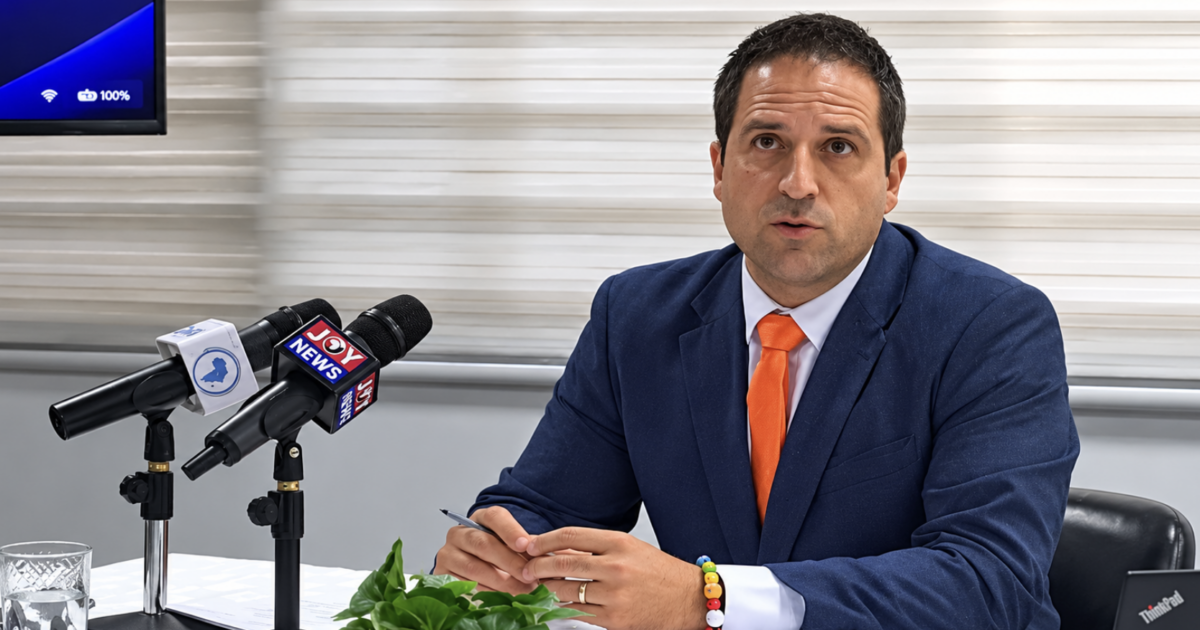
Ghana faces a deepening affordable housing crisis that is forcing hundreds of thousands of urban residents into informal settlements, according to a stark warning from the United Nations Special Rapporteur on adequate housing following an official visit to the country.
Koldo Casla, the UN expert, has urged the Government to equip the Rent Control Department with adequate resources and strengthen institutional oversight mechanisms to combat arbitrary rent increases that disproportionately harm tenants. His assessment, released after a 12-day mission, underscores a fundamental disconnect between Ghana's booming construction sector and the housing realities facing ordinary citizens.
The affordability gap widening
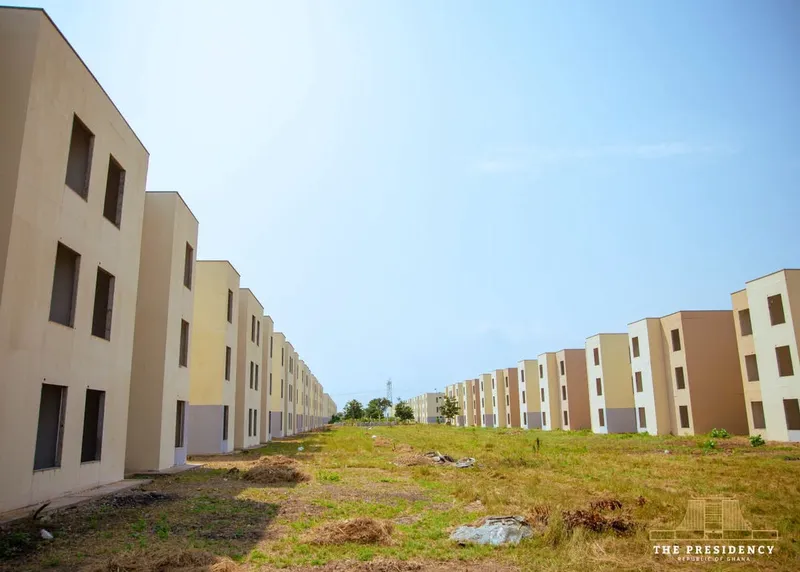
During his visit, Casla observed extensive real estate development across Accra, dominated by premium projects marketed at prices far exceeding what average Ghanaians can afford. The consequence is stark: approximately 31 per cent of Ghana's urban population now lives in informal settlements, with many others classified as homeless. This concentration of housing investment in the luxury segment has created a two-tier market where formal housing remains inaccessible to the majority, leaving low-income families with few options beyond overcrowded informal communities that typically lack basic services, security, and legal protections.
The problem is compounded by weak enforcement of tenant rights. Without adequate resources and monitoring capacity, Ghana's Rent Control Department struggles to prevent landlords from imposing unreasonable rent increases, leaving vulnerable renters trapped in cycles of housing insecurity.
Why this matters for Ghana
Ghana's construction industry is a significant economic engine, contributing between 7 and 15 per cent of GDP and employing hundreds of thousands of workers. However, current market dynamics mean this growth is not translating into improved housing access for the majority. The UN's findings suggest that without policy intervention, the gap between economic growth and housing affordability will continue widening, with serious implications for urban stability and poverty reduction.
Casla's recommendations implicitly challenge Ghana's policymakers to balance the interests of private developers and investors with the fundamental right to adequate housing. The UN expert emphasised that Government must actively incorporate the voices and needs of people living in poverty when designing housing policies. This means moving beyond market-driven solutions and implementing stronger rental regulations, enforcing existing tenant protections, and potentially creating incentives for affordable housing development.
The informal settlements themselves represent both a policy failure and a hidden economic burden. Without adequate infrastructure, residents face higher health risks, limited economic mobility, and vulnerability to displacement. For Ghana's development agenda, upgrading both housing supply and tenant protections is essential to breaking cycles of poverty.
What comes next
The UN's intervention signals international attention on Ghana's housing crisis. Local authorities now face pressure to demonstrate concrete action—whether through increased budget allocation to the Rent Control Department, legislative reform, or coordinated efforts to expand affordable housing stock. How Ghana responds will test its commitment to constitutional guarantees of adequate housing and its ability to ensure that rapid economic growth translates into improved living standards for all citizens, not just the affluent.
Source: MyJoyOnline
-1-1200x880.webp)

Comments (0)
Be the first to comment.