Ghana's Housing Crisis Takes Centre Stage as Ministries Observe World Habitat Day
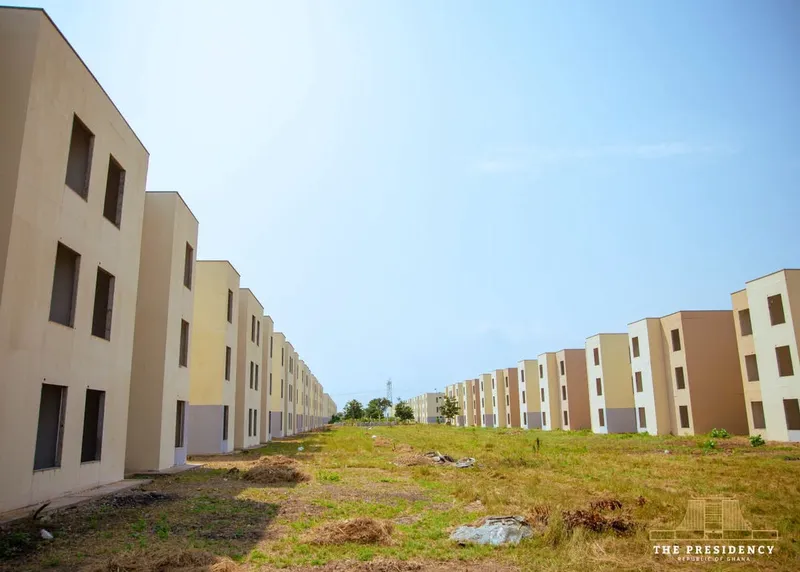
Ghana's Ministry of Housing and Local Government has joined the global commemoration of World Habitat Day 2026, shining a spotlight on the country's enduring affordable housing crisis. The observance underscores the urgency of tackling systemic barriers that continue to lock millions of Ghanaians out of safe, decent homes.
The challenge is stark: despite decades of policy initiatives and investment pledges, Ghana's housing deficit remains one of the most pressing development issues facing the nation. Ordinary Ghanaians struggle daily with a combination of factors that make homeownership feel increasingly out of reach for the average worker or young family.
The Real Barriers to Home Ownership
Three interconnected obstacles form the core of Ghana's housing affordability problem. Land prices in urban centres and peri-urban areas have skyrocketed, driven by population pressure, rapid urbanisation, and speculation. Construction costs continue to climb due to expensive imported materials, inadequate local manufacturing capacity, and volatile exchange rates affecting the Ghanaian cedi. Perhaps most critically, access to housing finance remains severely limited—mortgage products are expensive, require substantial collateral, and many financial institutions remain risk-averse in lending for residential construction.
For a significant portion of Ghana's workforce, particularly young professionals and lower-income households, these costs combine to create an impossible equation. A nurse, teacher, or tradesperson earning a respectable salary may still find that mortgage repayments consume an unrealistic share of their monthly income, if they can even qualify for a loan in the first place.
Why It Matters for Ghana
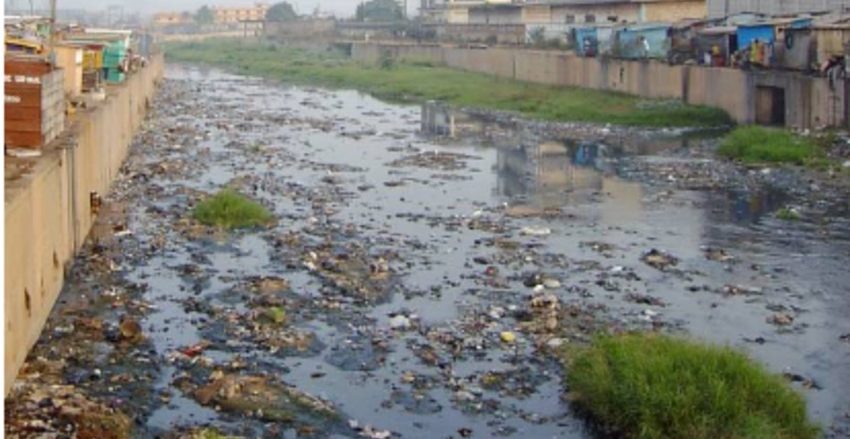
Adequate housing is not merely a matter of personal comfort—it is foundational to national development. When families lack stable, secure accommodation, children's educational outcomes suffer, health outcomes worsen, and economic productivity declines. Informal settlements and overcrowded compounds strain municipal infrastructure, create public health risks, and perpetuate cycles of poverty. Ghana's rapid urbanisation, with cities like Accra and Kumasi absorbing millions, makes this crisis increasingly urgent.
The World Habitat Day observance signals that government understands the problem's scale, but recognition alone is insufficient. Ghana needs concrete action: streamlined land title systems to reduce transaction costs, incentives for local building material production, targeted subsidies or guarantees for first-time homebuyers, and regulatory frameworks that encourage affordable housing development. Some regional initiatives—such as rent-to-own schemes and cooperative housing models—show promise but remain limited in scope.
The Path Forward
Housing policy intersects with multiple national priorities, from job creation in construction to financial sector deepening to gender equity (women face particular barriers to land ownership and housing finance). International development partners, including multilateral banks and donor nations, have expressed willingness to support Ghana's housing agenda through concessional finance and technical support, but such resources must be paired with domestic commitment and reform.
As Ghana marks World Habitat Day 2026, the real test will be whether the ministries and government move beyond acknowledgement to measurable action. Ghanaians deserve not merely to mark global observances, but to see tangible progress toward a housing system where decent, affordable homes are accessible to all, regardless of income or background.
Source: 3News
-1-1200x880.webp)

Comments (0)
Be the first to comment.