
Ghana pledges major housing push as urban population swells
-1-1200x880.webp)

Ghana has renewed its commitment to delivering sustainable urban development at a United Nations High-Level Forum, with housing affordability and slum prevention emerging as key national priorities.
The country's focus centres on two major initiatives: implementing recommendations from the 2024 Housing Profile and rolling out the National Slum Upgrading and Prevention Strategy. These efforts reflect growing pressure to address housing shortages as Ghana's urban centres continue rapid expansion.
Housing shortage: a growing challenge
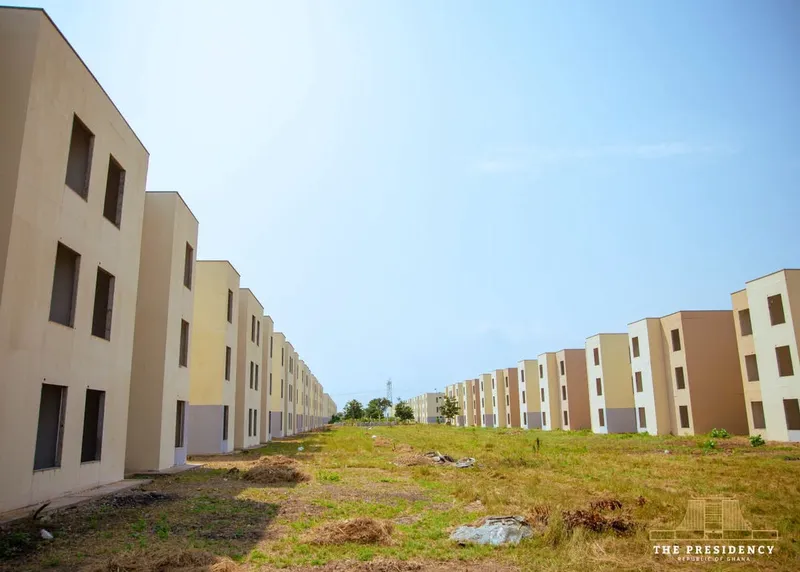
Ghana's urban population has grown significantly over recent decades, straining housing supply and forcing many residents into informal settlements. The gap between housing demand and affordable supply remains acute, particularly in Accra, Kumasi, and other major cities. Rising construction costs, limited access to credit, and inadequate infrastructure have made homeownership unattainable for many middle and lower-income Ghanaians.
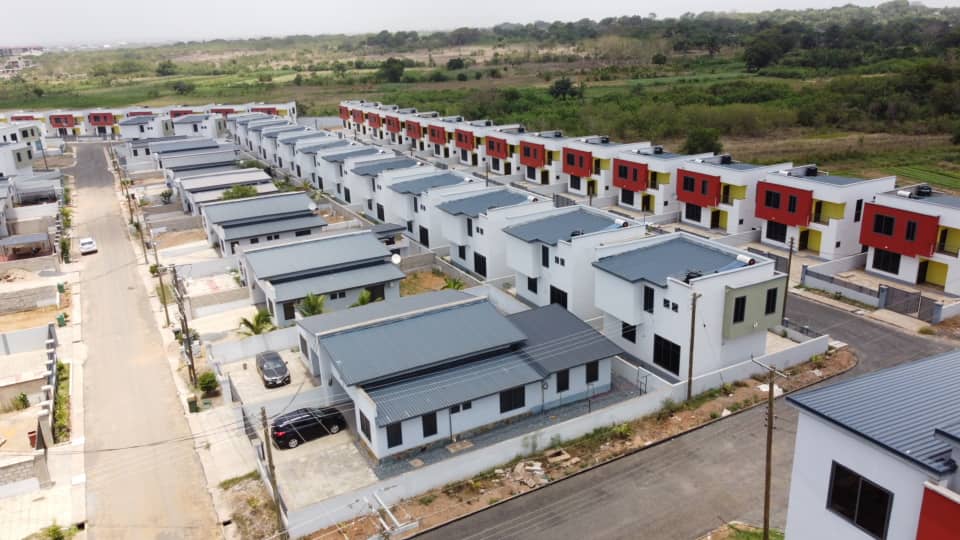
By prioritising affordable and inclusive housing, the government aims to address these systemic gaps. The 2024 Housing Profile provides a roadmap for scaling solutions, whilst the slum prevention strategy targets communities most vulnerable to informal settlement growth.
Why it matters for Ghana
Housing security is foundational to economic development. When families spend excessive income on unstable accommodation, they have less capacity for healthcare, education, and business investment—limiting Ghana's broader development prospects.
The UN's New Urban Agenda, endorsed by Ghana, calls for cities that are inclusive, safe, resilient, and sustainable. Ghana's renewed commitment signals alignment with international standards whilst addressing domestic housing crises.
Furthermore, implementing these strategies could attract development funding and technical support from international partners, strengthening Ghana's capacity to deliver large-scale housing programmes.
What's ahead
Success depends on coordination between central and local government agencies, alongside private sector participation. Previous housing initiatives have faced delays in financing and land allocation disputes—challenges that must be overcome for meaningful progress.
The government must also ensure that affordability mechanisms—such as subsidised mortgages or rental support—reach intended beneficiaries rather than enriching middlemen. Public transparency on project execution and outcomes will be essential.
Ghana's reaffirmation at the UN forum demonstrates political will, but translating commitment into completed, habitable housing for ordinary Ghanaians remains the test ahead.
Source: 3News


Comments (0)
Be the first to comment.