
Uganda pushes for travel ban lifting as Ebola outbreak nears official end
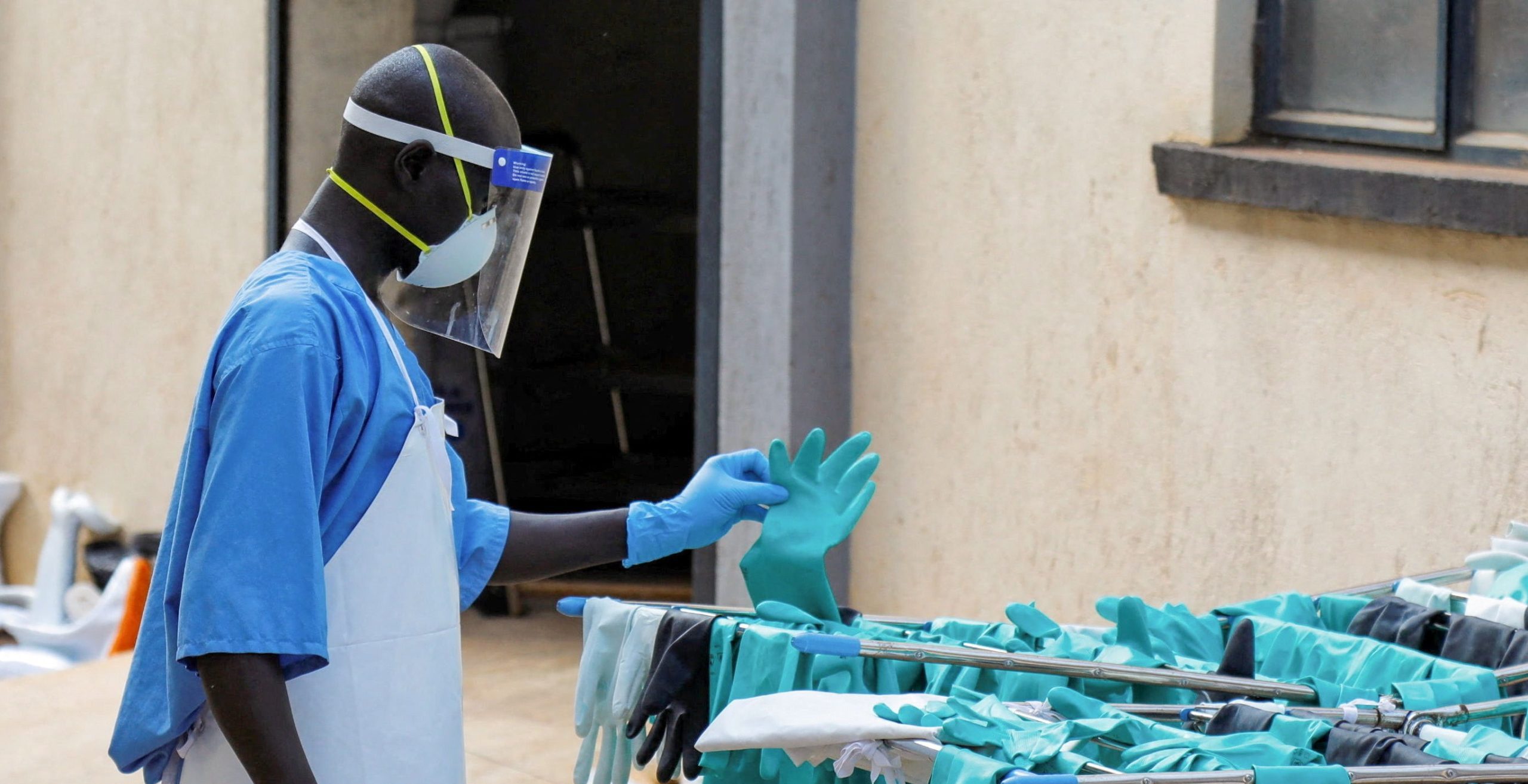

Uganda has launched diplomatic efforts to persuade countries to drop Ebola-related travel restrictions following the discharge of its last confirmed patient from Mulago national referral hospital in Kampala. The development marks a turning point in the country's battle against the virus, though officials warn the region remains vulnerable as the Democratic Republic of Congo grapples with a far larger outbreak.
The release of the Congolese national from isolation on Thursday initiates a critical 42-day countdown mandated by the World Health Organization. During this period, Uganda must record no new infections to be officially declared Ebola-free. The relatively swift containment of the outbreak—which infected 20 people and claimed two lives—has been hailed as a public health success story, yet fifteen nations maintain partial or complete travel bans against the country.
Economic Toll and Diplomatic Push
Uganda's government has emphasised the severe economic consequences of the restrictions. The United States has placed Uganda on its highest travel advisory level, grouping it alongside countries such as North Korea, Somalia and Afghanistan—a classification that has devastated tourism, trade and business sectors. Health Minister Dr Chris Baryomunsi acknowledged the damage whilst highlighting Uganda's relatively controlled response compared to neighbouring nations.
"As we make progress in managing this disease, we are engaging and asking those countries with a view to opening up so that the economy does not get injured," Baryomunsi stated during the discharge ceremony. The minister stressed that Uganda has not yet achieved official Ebola-free status, as WHO guidelines require two consecutive 21-day incubation periods without new cases.
Why it matters for Ghana
The Uganda experience offers critical lessons for West Africa, including Ghana. Regional disease outbreaks demonstrate how quickly infections can cross borders and how travel restrictions—whilst sometimes necessary—can severely impact neighbouring economies. Ghana, as a major regional hub for trade and tourism, faces similar risks should major disease outbreaks occur in nearby countries. Uganda's relatively low case fatality rate of less than 10%—achieved through pre-positioned medical supplies, trained emergency teams and established treatment facilities—illustrates the importance of sustained investment in epidemic preparedness that ECOWAS and individual member states must prioritise. The cross-border cooperation framework Uganda established with the DRC also suggests a model for regional disease containment that West African nations could emulate through stronger coordination mechanisms.
Scientific Progress Amid Crisis
The outbreak has catalysed vaccine development efforts. Oxford University's Oxford Vaccine Group launched the world's first Phase I clinical trial for BD-Ebov, a vaccine targeting the Bundibugyo strain of Ebola, for which no licensed vaccine previously existed. Uganda has committed to participating in vaccine studies as opportunities arise, and already engaged in experimental therapy trials during the outbreak.
Dr Kasonde Mwinga, WHO representative in Uganda, credited the country's success to pre-outbreak preparedness rather than chance. "The case fatality rate of less than 10% is among the lowest recorded in Ebola outbreaks because the lowest has always been 30%. That is not by luck. It is because people invested in preparedness," she noted.
Meanwhile, the threat across the border remains acute. The DRC reported 2,073 confirmed cases and 796 deaths as of mid-July, driven by the same Bundibugyo strain. Uganda has responded by deploying 50 health workers, four laboratories and establishing four operational sites in the DRC following a bilateral agreement between Presidents Yoweri Museveni and Félix Tshisekedi. This cross-border collaboration aims to contain spread and prevent Congolese nationals from travelling to Uganda for medical treatment, reducing imported cases.
Source: The Ghana Report



Comments (0)
Be the first to comment.