Two years of gains insufficient for stability – Kyerematen warns against premature economic victory claims
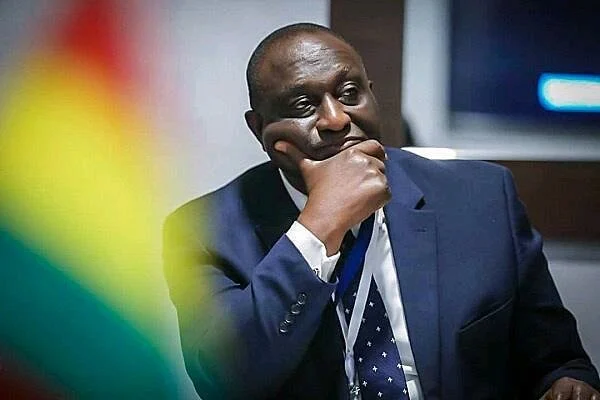
Alan Kyerematen, founder and leader of the United Party, has cautioned against Ghana declaring economic victory based on recent macroeconomic improvements, arguing that a much longer trajectory of growth is required to establish genuine stability.
Speaking in an interview on Monday, September 21, Mr Kyerematen acknowledged that Ghana's recent economic indicators show promise, but stressed that governments—whether National Democratic Congress or New Patriotic Party administrations—frequently celebrate short-term gains without ensuring they can be sustained over meaningful periods.
"You can't describe two years of macro performance as stability. You need a longer period of sustained growth," he stated, warning against what he characterised as a pattern of political self-congratulation that overshadows serious economic analysis.
The case for decade-long growth targets
Kyerematen pressed for a more rigorous standard when evaluating economic success. Rather than celebrate annual growth rates of around 6%, he argued that Ghana should target sustained expansion of between 8% and 10% annually over a full decade to claim meaningful progress.
"So 6%, it's good, but I'm saying that it's a trend, but you cannot... So we need 10 years of at least 8% to 10% growth," he explained. This position reflects frustration with what many analysts and opposition figures see as cyclical patterns in Ghanaian economic policy—where improvements in one or two years are followed by reversals when political administrations change or external pressures mount.
His remarks come as Ghana continues its post-IMF programme recovery, having exited a three-year Extended Credit Facility in April 2024. The NDC government, which took office in January 2025, has highlighted improvements in inflation and currency stability since mid-2024 as signs of economic progress.
Why this matters for Ghana
Kyerematen's intervention highlights a fundamental debate about how Ghanaians should evaluate their government's economic performance. For ordinary citizens, the distinction between short-term statistical improvement and sustainable economic stability is critical—it determines whether household incomes will genuinely improve, whether jobs will be reliably available, and whether costs of living will stabilise.
Ghana's economic history shows repeated cycles: periods of growth followed by crises that wipe out gains and push citizens backward. The 2015 IMF programme, for instance, came after years of economic deterioration despite earlier optimistic projections. Kyerematen's insistence on decade-long benchmarks reflects this lived experience.
His argument also carries implications for how Ghanaians should evaluate competing political messages. As 2028 elections approach, political parties will inevitably claim credit for economic improvements. Kyerematen's framework suggests voters should demand evidence of structural transformation and long-term consistency rather than accepting short-term metric improvements as proof of competence.
Stabilisation and growth must coexist
Kyerematen made a secondary but equally important point: that economic stabilisation and growth should be pursued simultaneously, not treated as trade-offs. "They are two sides of the same coin," he noted.
This challenges a common policy narrative in Ghana where governments sometimes prioritise inflation control and currency stability at the expense of growth, or vice versa. His position suggests that credible economic policy should achieve both—keeping prices and exchange rates predictable while simultaneously expanding productive capacity and creating jobs.
For Ghana's economy to move beyond cycles of crisis and recovery, such sustained, multi-dimensional growth will be essential as the country navigates debt sustainability challenges and aims to build productive industries beyond commodity exports.
Source: MyJoyOnline
Comments (0)
Be the first to comment.