Nkrumah's Legacy Remains Above Party Lines, Says Energy Minister

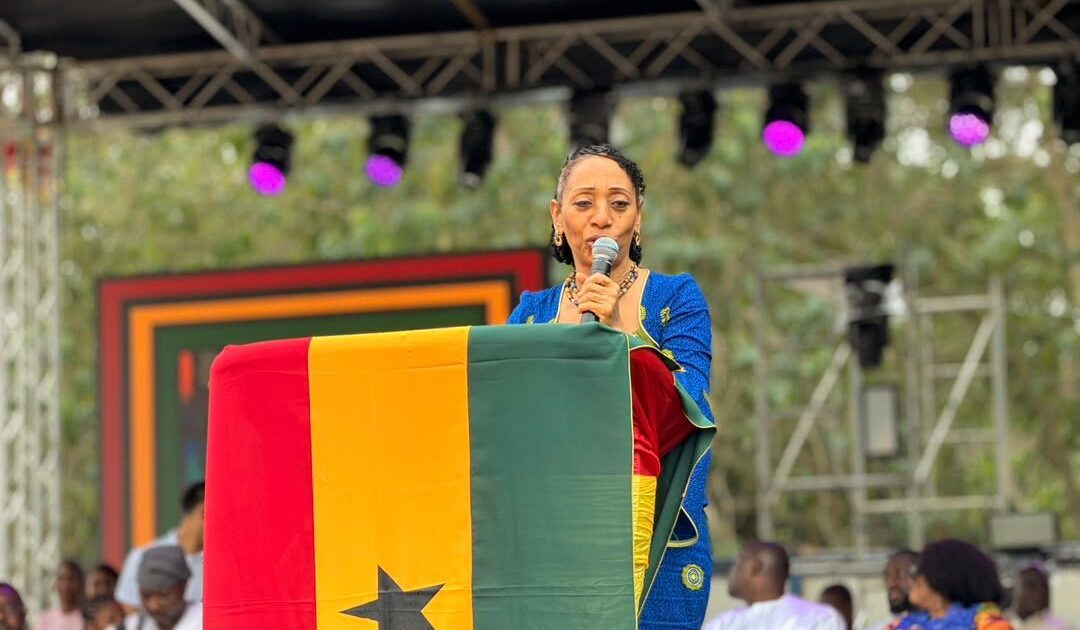
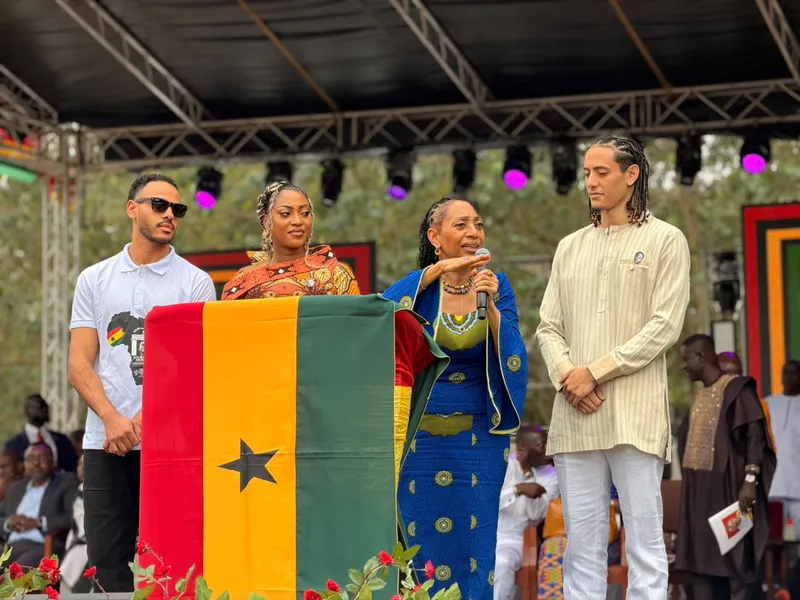
Energy Minister Matthew Opoku Prempeh has underscored the universal significance of Kwame Nkrumah's legacy, arguing that Ghana's first President's contributions to the nation belong to all Ghanaians regardless of political affiliation. Speaking at an event honouring the independence leader, Prempeh emphasised that Nkrumah's impact extends far beyond the boundaries of partisan politics and continues to shape the country's trajectory across generations.
"Today, we gather not merely to recount history, but to commune with the spirit of Ghana's first President, his monumental footprints that span generations," Prempeh said, reflecting on Nkrumah's enduring influence on Ghana's development and nation-building efforts.
Nkrumah's Lasting Impact on Ghana
Kwame Nkrumah remains a towering figure in Ghana's history since leading the country to independence in 1957. His vision for pan-African unity and his efforts to modernise Ghana through infrastructure development, education expansion, and industrialisation projects left an indelible mark on the nation's path. Key achievements under his administration included the construction of the Volta River Project, now one of Africa's largest hydroelectric facilities, and the establishment of various educational institutions that continue to produce leaders and professionals serving Ghana and the continent.
Prempeh's remarks reflect a growing sentiment among Ghanaian leaders that national icons should be celebrated and studied beyond narrow partisan considerations. This approach allows citizens from different political backgrounds to draw lessons from Nkrumah's successes and, equally important, from the challenges his administration faced.
Why It Matters for Ghana
The debate over Nkrumah's legacy carries significant weight in contemporary Ghana. As the nation navigates complex challenges in economic development, infrastructure, and pan-African relations, revisiting the foundational vision of Ghana's independence era offers valuable perspective. Nkrumah's emphasis on self-reliance, continental unity through the Organisation of African Unity (now African Union), and transformative public investment continues to resonate with policymakers and citizens grappling with modern governance questions.
Furthermore, positioning historical figures like Nkrumah above partisanship helps foster national cohesion. In a democratic society occasionally fractured along political lines, shared national heroes serve as unifying symbols that remind Ghanaians of common purposes and shared heritage. This framing also encourages younger generations to study and understand Ghana's independence struggle without the filters of contemporary political rivalries.
Reflections on Leadership and Nation-Building
Prempeh's statement comes at a time when Ghana continues to grapple with questions of national direction and development priorities. The invocation of Nkrumah's legacy by senior government officials underscores recognition that the nation's founding principles—centred on Pan-Africanism, self-determination, and rapid modernisation—remain relevant to current policy discussions.
Whether discussing industrialisation strategies, energy sector development, or Ghana's role in regional affairs, policymakers across the political spectrum frequently reference Nkrumah's vision and methods. This widespread acknowledgement suggests that despite the controversy surrounding some of his policies and his eventual overthrow in 1966, his fundamental contributions to Ghana's independence and early nation-building are broadly accepted as transcending party politics.
As Ghana marks milestones in its post-independence journey, leaders like Prempeh continue to champion the idea that national history belongs to all citizens and that honouring founding figures strengthens collective identity and shared purpose.
Source: 3News


Comments (0)
Be the first to comment.