Asiedu Nketiah Defends Nkrumah's Legacy: Why Ghana Must Reclaim Pride in Pan-African Founding Father

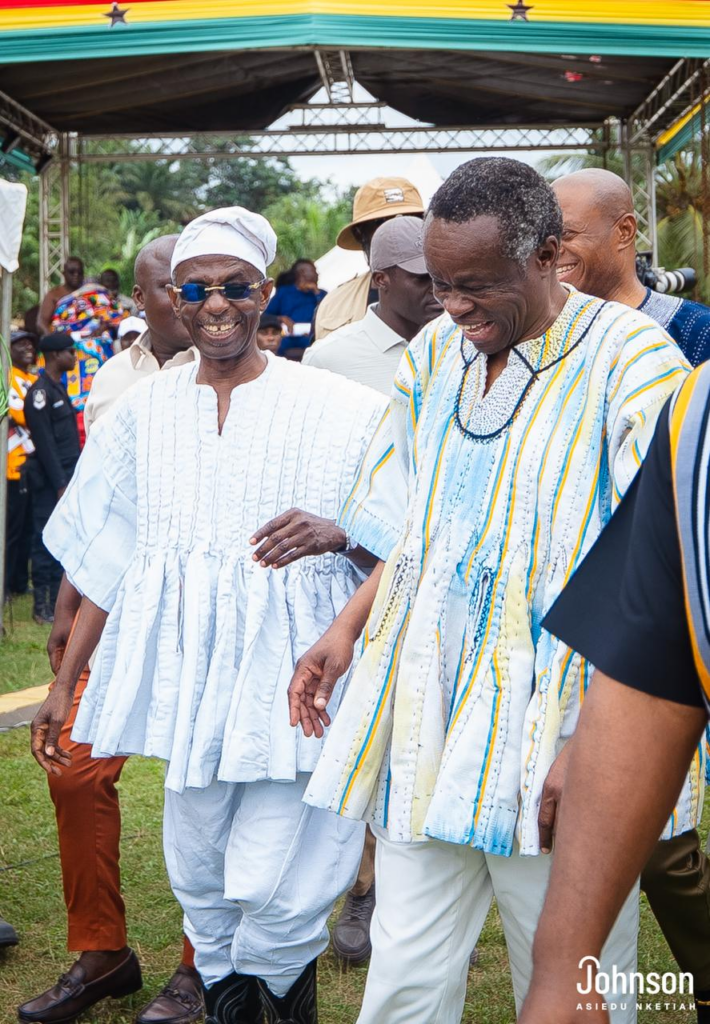
Ghana's political leadership faces a pointed challenge over how the nation treats the memory of Kwame Nkrumah, its founding father and architect of independence. Speaking at the 2026 NkrumahFest gathering in Nzema, Western Region, NDC General Secretary Asiedu Nketiah raised a fundamental question: if the world has honoured Nkrumah as the "Man of the Century", why does Ghana continue to diminish his image and legacy?
The question strikes at a tension that has defined Ghana's post-independence discourse—the gap between international recognition of Nkrumah's continental and global impact, and the contested, often critical way his memory is treated domestically. Nketiah's intervention at the annual NkrumahFest event suggests growing frustration within sections of Ghana's political establishment about what they view as inadequate national appreciation for the leader who united the Gold Coast, secured independence in 1957, and became a towering figure in the Pan-African movement.
Global Recognition vs. Domestic Ambivalence
Nkrumah's international stature is undeniable. His philosophical contributions to Pan-Africanism, his vision for continental unity, and his role in catalysing African independence movements earned him recognition far beyond Ghana's borders. Yet within Ghana itself, his legacy has remained contentious. Different political administrations have adopted varying approaches to commemorating and honouring his contributions, reflecting deeper ideological divisions about how independent Ghana should interpret its founding.
Asiedu Nketiah's remarks appear to challenge this ambivalence, arguing that national pride and historical accuracy demand Ghana align its domestic treatment of Nkrumah with the respect accorded him globally. The question implicitly asks whether Ghana risks diminishing itself by failing to fully embrace a leader the wider world has deemed historically significant.
Why It Matters for Ghana
The debate over Nkrumah's legacy remains consequential for contemporary Ghana for several reasons. First, it touches on national identity and how Ghanaians understand their own history and place in Africa. Second, it reflects broader questions about political continuity and how different administrations interpret independence and nation-building. Third, in a context where Pan-Africanism and continental integration remain live issues—through ECOWAS, the African Union, and discussions of African unity—Nkrumah's intellectual and political contributions remain relevant to present policy debates.
How Ghana chooses to honour or denigrate Nkrumah's memory also sends signals about the nation's confidence in its own founding narrative and its willingness to engage honestly with complex historical figures. A leader can be simultaneously admired globally and critiqued domestically for specific policies or actions, but that distinction requires nuance often absent in polarised domestic discourse.
The Nzema Gathering and Broader Commemoration
NkrumahFest events, held annually at sites associated with Nkrumah's life and work, serve as spaces where his legacy is actively maintained and interpreted. Asiedu Nketiah's intervention at the 2026 edition suggests these gatherings remain platforms where Ghana's political actors engage with questions of historical memory and national pride.
Whether Ghana ultimately resolves this tension—between denigrating and honouring Nkrumah—will likely depend on whether political leadership across parties can move beyond instrumentalising his memory for contemporary partisan advantage, and instead foster a more mature, historically grounded national conversation about what independent Ghana owes to its founding father.
Source: 3News

-800x600.webp)
Comments (0)
Be the first to comment.