Asiedu Nketiah Advocates for Greater Recognition of Nkrumah's Legacy in Ghana's Development

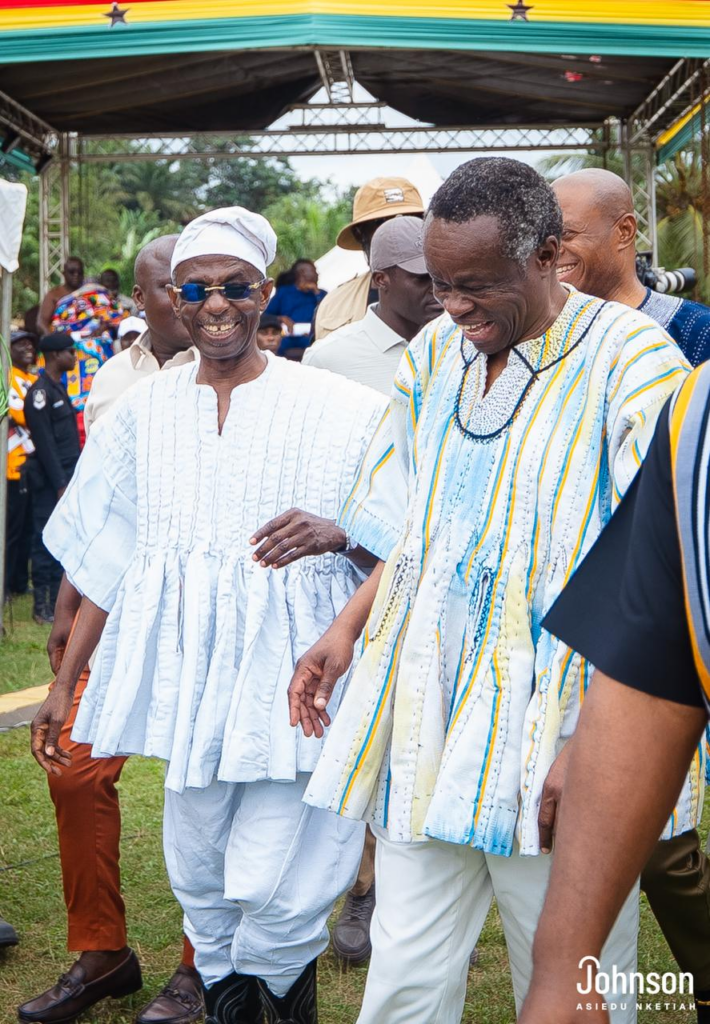
The National Democratic Congress General Secretary, Asiedu Nketiah, has called for distinct recognition of former President Kwame Nkrumah's substantial contributions to Ghana's development, describing himself as an "unrepentant Nkrumaist" during remarks at the 2026 NkrumahFest held in Nkroful, Ellembelle District, Western Region.
Nketiah's statement underscores the continued relevance of Nkrumah's legacy within Ghana's political discourse, particularly within opposition circles. His declaration reflects a broader recognition that Nkrumah's policies and vision—though controversial—shaped contemporary Ghana in fundamental ways.
Understanding Nkrumah's Impact on Ghana
Kwame Nkrumah served as Ghana's first President following independence in 1957 and pursued an ambitious development agenda that included industrialisation, educational expansion, and pan-African leadership. Though his rule ended with a military coup in 1966, his imprint on Ghana's institutions, infrastructure, and national identity remains substantial. Asiedu Nketiah's personal testimony—that Nkrumah-era policies directly improved his own circumstances—reflects how ordinary Ghanaians experienced the practical outcomes of those governance decisions.
The NDC General Secretary's emphasis on "distinct recognition" suggests that current national commemoration and historical narratives may not adequately reflect Nkrumah's developmental contributions. This argument gains traction when considering Ghana's current economic and infrastructural realities, many of which trace their foundations to decisions and investments made during the Nkrumah period.
Why It Matters for Ghana
Nketiah's advocacy carries significance beyond mere historical sentiment. How Ghana chooses to remember and teach its founding leader influences national identity, educational curricula, and political philosophy. The NDC's continued emphasis on Nkrumah contrasts with other political voices in Ghana that critique his authoritarian tendencies or prioritise different aspects of post-colonial history.
For ordinary Ghanaians, this discourse matters because it shapes how younger generations understand the nation's trajectory and what development models deserve consideration. Educational institutions, media narratives, and state commemoration all reflect choices about whose contributions get emphasised. Asiedu Nketiah's intervention at NkrumahFest—an annual gathering dedicated to celebrating the former leader's memory—demonstrates that political parties continue to use historical narratives as part of contemporary political engagement.
Additionally, the timing of these remarks at a 2026 event suggests ongoing institutional efforts to preserve and promote Nkrumah's legacy, even decades after his death in 1972. The Western Region location is particularly symbolic, as Nkroful was Nkrumah's hometown, and maintaining pilgrimage sites and festivals dedicated to historical figures serves educational and cultural functions within Ghanaian society.
The Broader Conversation
Asiedu Nketiah's comments participate in a wider conversation about how post-colonial African nations reckon with their founding leaders—particularly those whose records are mixed. Nkrumah is remembered for advancing pan-Africanism, securing independence, and initiating major development projects, yet also for authoritarian governance and economic mismanagement that contributed to his overthrow.
The NDC General Secretary's unequivocal embrace of Nkrumaism suggests the party views emphasising the positive developmental legacy as strategically important, both for historical accuracy and for contemporary political positioning. For Ghanaians interested in national history, governance philosophy, or political ideology, these statements invite reflection on which aspects of Nkrumah's era deserve emphasis and how Ghana's development narrative should be constructed and taught.
Source: 3News
-800x600.webp)
Comments (0)
Be the first to comment.