Samia Nkrumah challenges historical narrative on father's 1966 overthrow
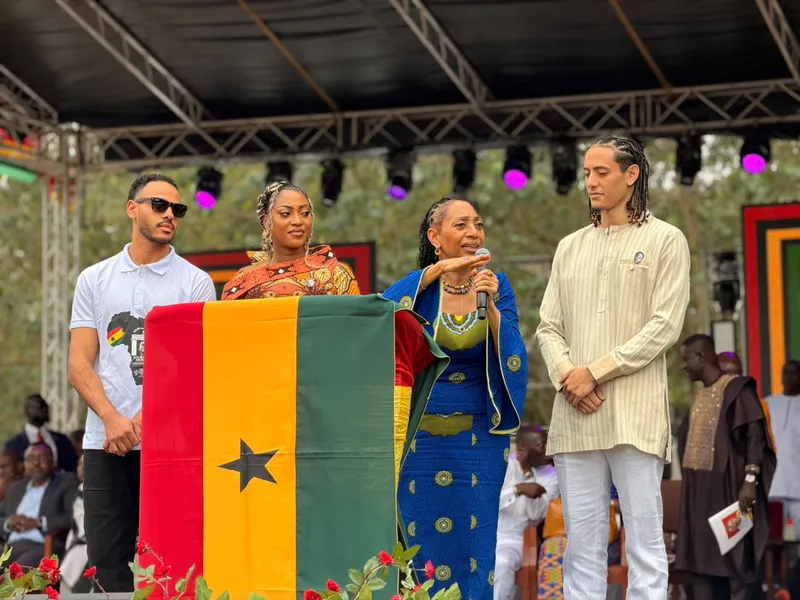
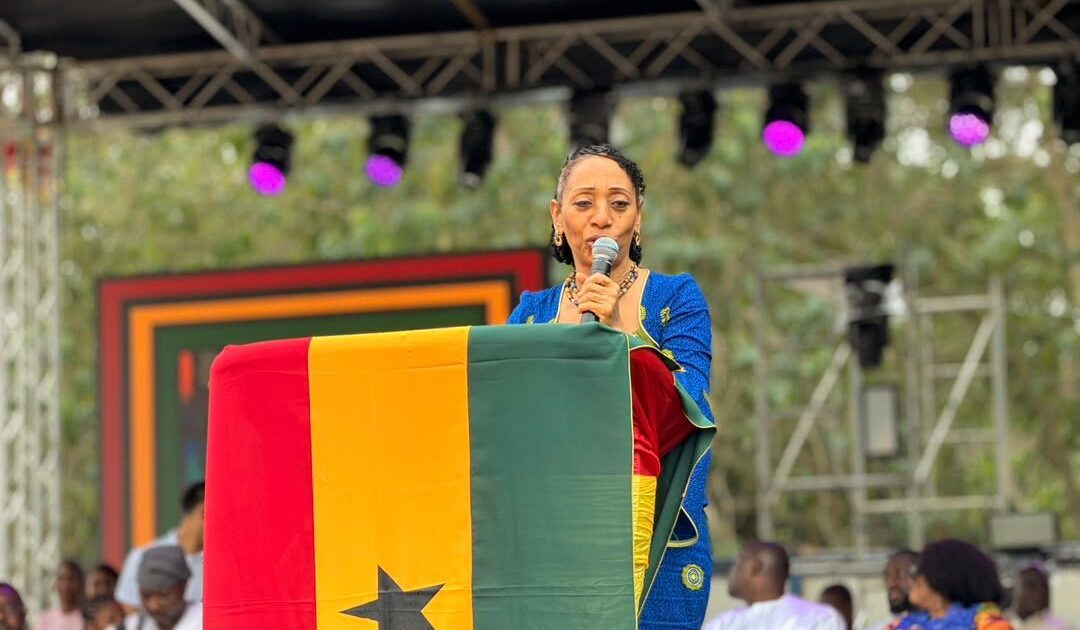
Samia Yaba Nkrumah has forcefully contested the widely accepted historical narrative that ordinary Ghanaians celebrated the 1966 military coup that removed her father, Ghana's first President Osagyefo Dr Kwame Nkrumah, from power. Speaking at the 2026 NkrumahFest in Nkroful, Western Region, she argued that popular accounts of jubilation following the overthrow represent propaganda rather than genuine popular sentiment.
The Nkrumah family has intensified efforts to reshape public understanding of the former President's legacy, with Samia pointing to physical acts of desecration as evidence of coordinated efforts to undermine Nkrumah's memory. She referenced the destruction of his statue at what is now the Kwame Nkrumah Memorial Park and Museum in Accra, including the deliberate severing of the statue's head, arguing that such vandalism should not be conflated with broader public opinion.
Monuments and symbols of reclamation
Samia highlighted the recent unveiling of a new Nkrumah statue at a roundabout in Sunyani as a pivotal moment signalling renewed appreciation for the former leader's ideas. She described the contrast between the destruction of earlier monuments and this act of commemoration as emblematic of a broader African awakening. The new statue represents, in her view, a turning point in how Ghanaians and Africans are reassessing Nkrumah's contribution to the continent's independence and political thought.
For Samia, these monuments transcend mere physical tributes. She emphasised that their true significance lies in the ideological foundations they represent—ideas capable of inspiring confidence, strength, and freedom among contemporary and future generations.
Reconsidering Nkrumah's international vision
Samia also pushed back against longstanding characterisations of her father as an isolationist or ideological rigid leader disconnected from the broader world. She argued that Nkrumah's commitment to Ghanaian nationalism and Pan-Africanism coexisted harmoniously with robust international relationships spanning multiple continents and political systems. His vision was not parochial but rather rooted in a sophisticated understanding that African advancement required both internal cohesion and strategic global engagement.
These remarks come as the Nkrumah family has assumed a more active role in curating NkrumahFest and related historical initiatives. Their involvement aims to ensure younger Ghanaians and Africans encounter Nkrumah's philosophical framework and continental vision without the interpretive filters of Cold War-era propaganda or post-coup revisionism.
Why it matters for Ghana
The debate over Nkrumah's legacy remains consequential for contemporary Ghana. How Ghanaians understand their independence and the first three decades of nationhood shapes current conversations about democracy, Pan-Africanism, economic development, and national identity. The 1966 coup marked a decisive break in Ghana's trajectory, initiating a period of military interventions and institutional disruption. Reassessing the popular reception of that moment requires interrogating not just what Ghanaians felt but what historical actors wanted them to believe they felt.
For younger generations navigating questions of African unity, national sovereignty, and continental development, the stakes of this historical reckoning extend beyond academic interest. Nkrumah's ideas about African liberation, non-alignment, and economic self-determination remain referenced in contemporary policy debates across West Africa. Understanding how these ideas were distorted, preserved, or rejected during the post-1966 period provides essential context for current political and intellectual movements seeking to reclaim Pan-African visions.
Source: MyJoyOnline
-800x600.webp)


Comments (0)
Be the first to comment.