Nkrumah family returns home: Samia pledges to reclaim and preserve founder's legacy for Ghana's youth
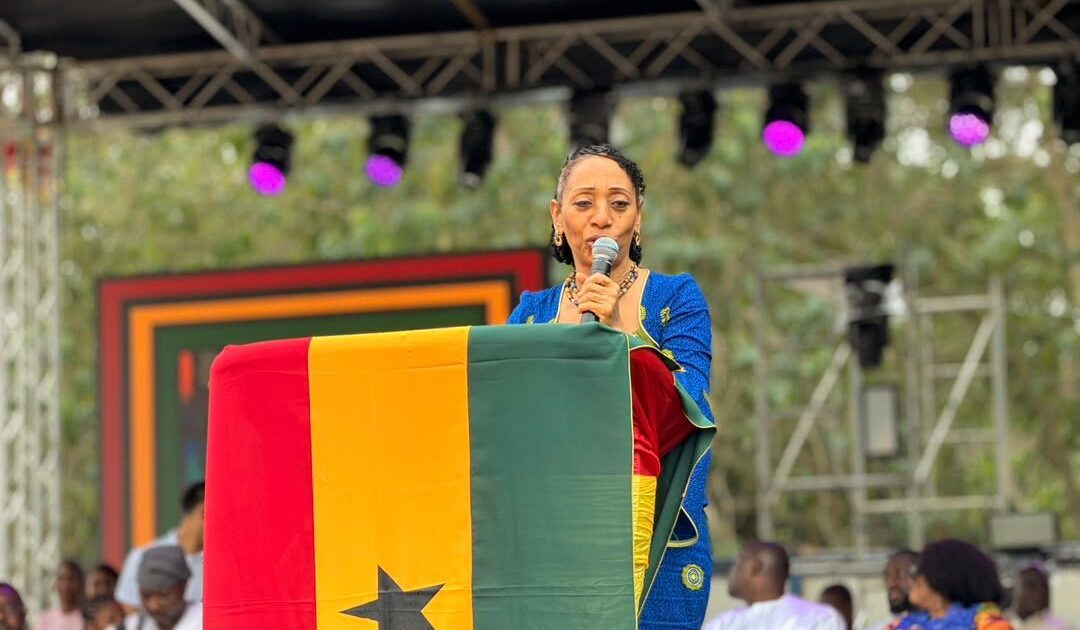
Ghana's first President Osagyefo Dr Kwame Nkrumah's family has made a significant return to their ancestral home in Nkroful, Western Region, signalling a renewed determination to safeguard and promote his political and philosophical legacy. Led by his daughter Samia Yaba Nkrumah, the family attended the 2026 NkrumahFest in the Ellembelle District, breaking what she described as a prolonged and painful absence from their roots.
For Samia, the homecoming carried emotional weight beyond ceremonial duty. She publicly apologised to residents of Nkroful for the family's extended distance from their birthplace, attributing their absence to deep trauma stemming from the dangers and violence Nkrumah faced during his presidency. She recounted witnessing her father wounded and bloodied following assassination attempts, experiences that left the family frightened and confused about their safety and future.
"We were traumatised, we were scared, we were confused," Samia reflected, before adding with resolve: "But the good news is that we've come back. And we want to make a contribution to Ghana's progress, to Ghana's development, and to Ghana's unity."
Reclaiming history and challenging narratives
A central part of Samia's message involved confronting what she views as distorted historical accounts of Nkrumah's era, particularly surrounding the 1966 military coup that overthrew his government. She referenced the desecration of Nkrumah's statue at the Kwame Nkrumah Memorial Park and Museum in Accra, whose head was severed following the coup, as evidence often cited to suggest widespread Ghanaian opposition to his rule.
Samia firmly rejected this interpretation, arguing that the destruction and celebrations surrounding the coup do not represent the true sentiments of all Ghanaians. She described the narrative that Ghanaians were universally happy at Nkrumah's removal as "negative propaganda" lacking historical accuracy.
She expressed particular satisfaction at the recent unveiling of a new Nkrumah statue in Sunyani, viewing it as a symbol of renewed African interest in his ideas and vision. However, Samia was careful to emphasise that monuments should serve as reminders of ideology rather than objects of veneration themselves.
Why it matters for Ghana
Samia's return and advocacy carry significance beyond family sentiment. Nkrumah remains a towering, if contested, figure in Ghana's national consciousness. His vision of Pan-Africanism, nation-building, and African unity continues to inspire political movements and intellectual discourse across the continent. The family's renewed engagement with NkrumahFest, an annual gathering in his hometown, offers younger Ghanaians and Africans direct access to his philosophical legacy beyond what Samia describes as distorted historical narratives.
The family's participation also signals potential shifts in how Ghana addresses its post-independence history. Questions about the 1966 coup, Nkrumah's policies, and their lasting impact remain sensitive in national discourse. Family involvement in commemorative events like NkrumahFest may help broaden conversations about this period and challenge simplified historical interpretations taught in schools and public forums.
Furthermore, Samia's explicit rejection of characterisations portraying Nkrumah as an isolationist or dogmatic leader introduces counterarguments that emphasise his international relationships and pragmatism alongside his nationalist convictions. This framing has implications for how contemporary African leaders approach questions of sovereignty, continental integration, and global engagement.
Family commitment to future generations
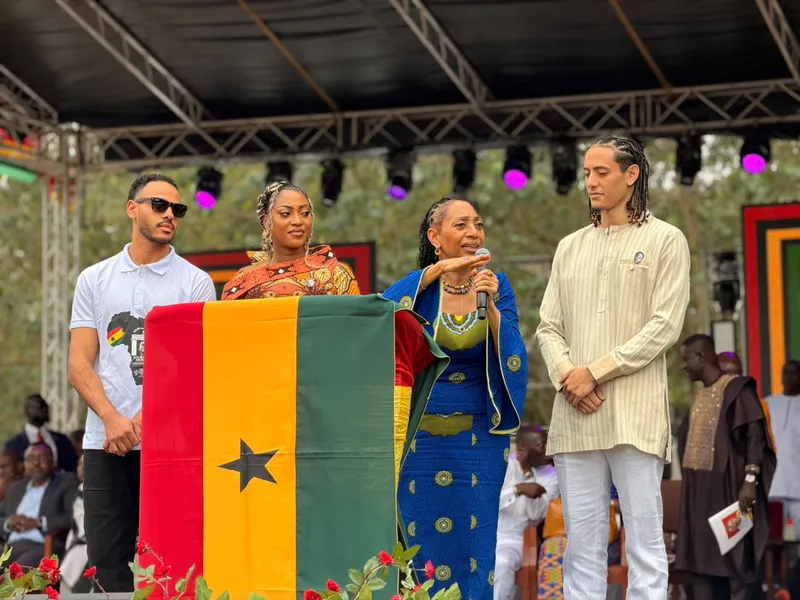
Samia brought three of Nkrumah's grandchildren to NkrumahFest, presenting them as embodiments of the family's commitment to intergenerational knowledge transfer. She pledged the Nkrumah family's ongoing support for the festival, particularly commending the Minister for Lands and Natural Resources and MP for Ellembelle, Emmanuel Armah-Kofi Buah, for using the platform to educate younger generations about Nkrumah's Pan-African philosophy.
The family's stated mission is clear: to reintroduce Nkrumah's ideas to young Ghanaians and Africans in ways that challenge dismissive or one-dimensional historical accounts. Whether through festival participation, historical advocacy, or public discourse, the Nkrumah family appears intent on ensuring their patriarch's intellectual legacy remains alive and contested—rather than consigned to unchallenged historical narrative.
Source: MyJoyOnline
-800x600.webp)


Comments (0)
Be the first to comment.