
Supreme Court allows Skytrain trial to proceed as Asamoah's bid to halt case fails
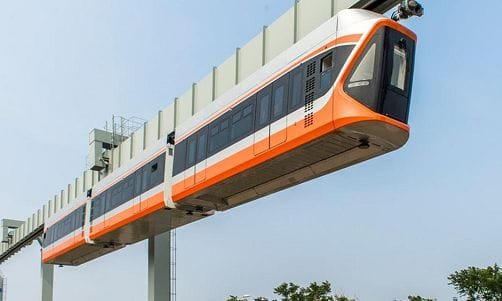
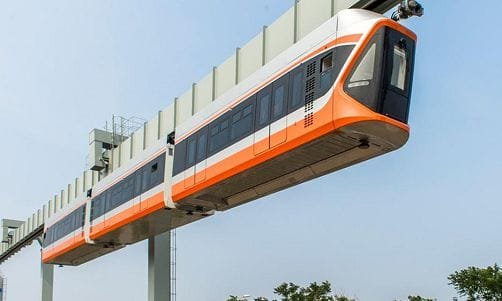
The Skytrain corruption trial will continue after Ghana's Supreme Court dismissed an application by former Ghana Infrastructure Investment Fund (GIIF) Chief Executive Officer Solomon Asamoah seeking to halt proceedings against him. The decision, delivered by Justice Senyo Dzamefe on Monday, represents a significant setback for the defence and signals that the case will move forward despite legal challenges to the court's authority.
Asamoah had pursued two separate applications at the Supreme Court: a certiorari application challenging the High Court's rejection of his submission of no case, and an interlocutory injunction aimed at freezing the trial until the Supreme Court ruled on the certiorari. Justice Dzamefe rejected both, finding that Asamoah failed to meet the legal threshold required for such extraordinary relief.
The Court's reasoning
In his ruling, Justice Dzamefe identified three critical weaknesses in Asamoah's case. First, based on evidence contained in Asamoah's own affidavit, the court determined he had not demonstrated a serious question of law to be tried—a fundamental requirement for certiorari applications. Second, the justice held that the issues Asamoah raised were matters properly addressed through standard appeals rather than urgent Supreme Court intervention. Third, and perhaps most significantly for the injunction application, the court found that Asamoah failed to show what irreparable harm he would suffer if the trial continued.
Justice Dzamefe also rejected the premise that the trial judge had acted without jurisdiction or beyond her authority in ruling on the submission of no case. This finding is particularly important as it validates the High Court's procedural authority to continue the trial and rules out one of the defence's key legal arguments.
What this means for the trial and Ghana's accountability framework
The Supreme Court's decision clears the path for the Skytrain case to proceed without further delays from interlocutory applications. The High Court has set 23 September as the final extended deadline for Asamoah and his co-accused to file their defence if they choose to do so. This represents a critical juncture in a case that has already consumed considerable court time and public attention.
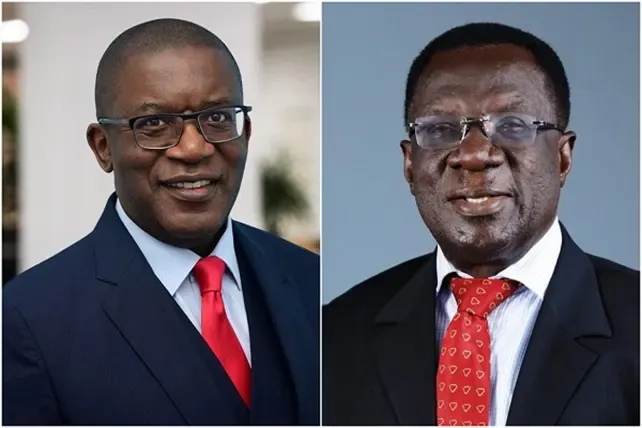
For Ghanaians invested in fighting corruption and holding public officials accountable, this ruling reinforces that the courts will not be swayed by technical legal manoeuvres designed to circumvent substantive trials. The Skytrain project itself—a proposed rapid transport system—became a symbol of governance concerns after allegations emerged that $2 million was paid towards it without GIIF board approval. That Asamoah and former GIIF Board Chairman Professor Christopher Ameyaw Ekumfi now stand trial over those allegations has been closely watched as an indicator of whether Ghana's legal system can address high-level financial misconduct.
However, the legal battle is far from over. Professor Ameyaw Ekumfi has filed a fresh application for a stay of proceedings that the Court of Appeal is scheduled to hear on 1 September. Such applications, if successful, could still delay the case further, though Asamoah's Supreme Court loss suggests the courts are taking a dim view of dilatory tactics.
Timeline and next steps
The case's trajectory remains uncertain despite Monday's judgment. While the trial can now formally proceed with defence filing deadlines set, any successful stay application by the second accused could complicate matters. Additionally, Asamoah still has his certiorari application pending before the Supreme Court, though Monday's dismissal of his injunction suggests limited prospects for that too.
For Ghana's judicial system, the message is clear: courts will demand solid grounds before halting trials on technical grounds, particularly where senior government officials are involved and allegations of financial impropriety are at stake.
Source: The Ghanaian Times


Comments (0)
Be the first to comment.