
Supreme Court blocks Ex-GIIF boss Asamoah's bid to escape $2m SkyTrain fraud trial

The Supreme Court has dealt a significant blow to former Ghana Infrastructure Investment Fund (GIIF) CEO Solomon Asamoah by dismissing his application to overturn a High Court ruling that compels him to present his defence in the contentious $2 million SkyTrain case. The rejection of his appeal means Asamoah must now proceed to the defence phase of the trial, a development that brings Ghana's high-profile infrastructure corruption case closer to potential resolution.
This latest court decision represents another setback for Asamoah, who has faced mounting legal pressure as the case progresses through Ghana's judicial system. By dismissing his application without granting his request to quash the High Court's earlier order, the Supreme Court has effectively validated the lower court's determination that sufficient evidence exists to warrant Asamoah mounting a full defence against the allegations levelled against him.
Background to the SkyTrain controversy
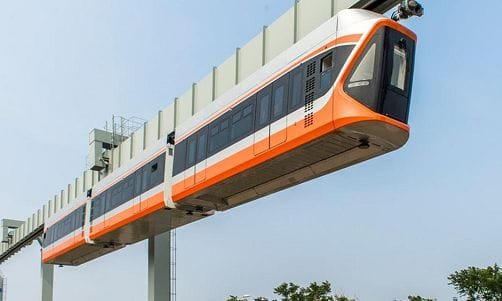
The SkyTrain project emerged as one of Ghana's ambitious infrastructure initiatives, but became ensnared in allegations of financial impropriety and mismanagement. The case against Asamoah centres on his role at GIIF during the period when decisions regarding the massive project were made. The $2 million figure at the heart of this case represents funds allegedly mishandled or diverted during the project's administration.
Asamoah's legal team has fought aggressively at multiple court levels to prevent the case from advancing, with this latest application representing another unsuccessful attempt to derail proceedings. The progression from the High Court order to the Supreme Court's confirmation suggests that judges across Ghana's hierarchy have found merit in the prosecution's arguments.
Why it matters for Ghana
This case carries profound implications for Ghana's infrastructure sector and broader governance landscape. Firstly, it signals that senior officials cannot indefinitely evade accountability through procedural delays, even when commanding significant legal resources. The Supreme Court's decisive action demonstrates judicial resolve in infrastructure-related corruption cases, which have historically plagued Ghana's development agenda.
Secondly, the SkyTrain case serves as a bellwether for public confidence in Ghana's anti-corruption institutions. Ghanaians have grown increasingly sceptical of whether high-ranking officials face genuine consequences for alleged financial crimes. A conviction in this case would send a powerful message that nobody—regardless of position or connections—remains above the law.
Thirdly, the case highlights risks within Ghana's infrastructure investment framework. GIIF was established to mobilise capital for critical development projects, yet allegations of mismanagement at its leadership level raise questions about institutional safeguards and oversight mechanisms that taxpayers deserve.
What happens next
With the Supreme Court's dismissal of the application, Asamoah must now prepare and present his defence to the High Court. This defence phase will allow him to call witnesses, introduce documentary evidence, and challenge the prosecution's case. The outcome of this defence will ultimately determine whether he faces conviction or acquittal on the charges.
The case timeline remains fluid, but the Supreme Court's action removes a significant legal hurdle that could have delayed proceedings further. For observers tracking Ghana's commitment to prosecuting corruption at elite levels, the case's progression to this critical phase offers an opportunity to assess both the strength of evidence against Asamoah and the consistency of Ghana's judicial system in handling complex financial crime cases.
Source: 3News

Comments (0)
Be the first to comment.