
Suhum MCE, SOL Foundation equip 650 BECE graduates with essentials for SHS transition
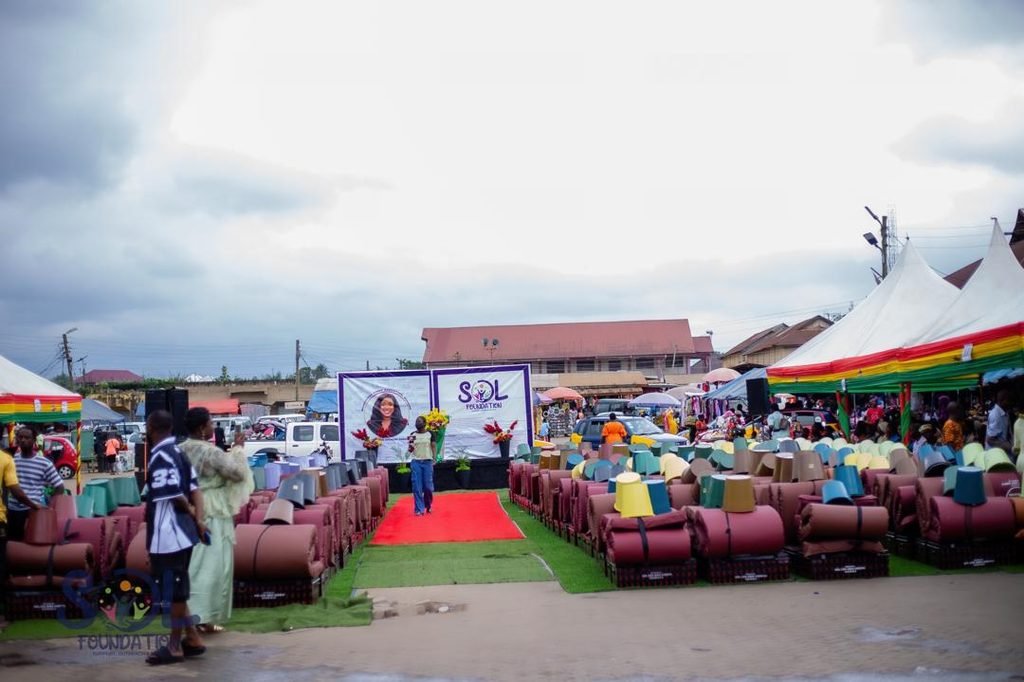

The Suhum Municipality has launched a significant support initiative for more than 650 Basic Education Certificate Examination (BECE) graduates preparing for Senior High School, addressing the financial pressures families face during this critical transition period. The intervention, led by Municipal Chief Executive Lydia Sarah Ohenewaa and implemented in partnership with the SOL Foundation, was held on Friday, September 4, at Suhum Main Station.
Each beneficiary received essential boarding school items including trunks, mattresses and buckets—practical necessities that help reduce the upfront costs parents must bear. Beyond these materials, outstanding BECE performers were recognised with hampers and cash prizes, celebrating academic achievement whilst providing additional motivation for continued excellence.
Supporting education for disadvantaged students
Speaking at the event, the MCE emphasised the importance of educational focus and hard work amongst the graduates, whilst calling on corporate bodies, philanthropic organisations and individuals to extend support to students from less privileged backgrounds. The initiative reflects growing recognition that financial barriers often prevent talented students from accessing quality secondary education, particularly in rural and semi-urban areas like Suhum.
The SOL Foundation's involvement underscores a broader shift towards corporate-community partnerships in addressing educational inequity across Ghana. Such collaborations enable local authorities to reach more beneficiaries and provide more comprehensive support than government resources alone can offer.
Why it matters for Ghana
Education remains a cornerstone of Ghana's development agenda, yet many families struggle to meet the costs of boarding school despite BECE success. Student dropout rates due to financial constraints continue to hamper the country's educational outcomes. Initiatives like this one directly address that gap by removing immediate financial obstacles during the transition from junior to senior secondary education.
The gesture also models how local government can work with civil society to promote inclusive education. By recognising both material needs and academic excellence, the Suhum intervention sends a message that educational success should not depend on family wealth. This approach aligns with Ghana's broader education policy priorities, including improved completion rates and equitable access across socioeconomic groups.
Furthermore, supporting vulnerable learners at the SHS entry point has multiplier effects—students who secure their places without financial stress are more likely to complete secondary education and access tertiary opportunities, ultimately contributing more effectively to the economy and society.
Community collaboration and reaffirmed commitment
The event brought together students, parents, educators and community members, reflecting the collaborative spirit required to sustain such programmes. The MCE and SOL Foundation reaffirmed their commitment to ongoing initiatives that promote education and support disadvantaged groups, signalling that this is not a one-off gesture but part of a sustained approach to educational development in the municipality.
As Ghana continues to grapple with educational access and quality challenges, such locally-driven, partnership-based initiatives offer valuable models for how municipalities and civil society can work together to create pathways for talented students regardless of their economic circumstances.
Source: The Ghanaian Times


-800x436.webp)

Comments (0)
Be the first to comment.