Police Question Two Suspects in Secondary School Placement Fraud Racket Targeting Anxious Students
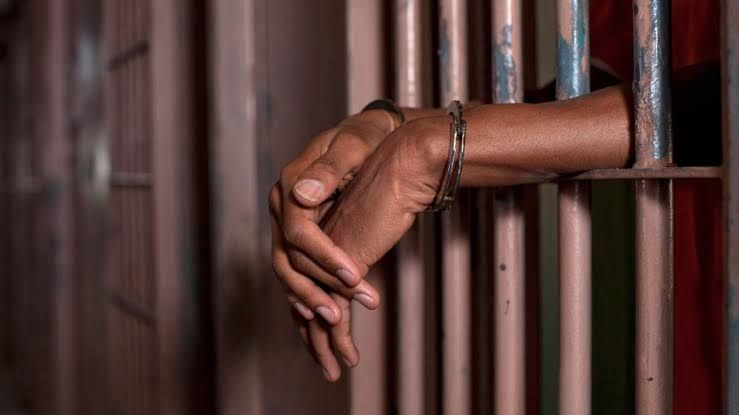
Police have launched an investigation into a troubling fraud scheme targeting Secondary High School (SHS) applicants in Ghana, with two suspects now in custody for questioning. The alleged scam involves criminals posing as placement officials and collecting substantial sums from desperate students and parents seeking guaranteed school admissions.
According to investigators, the suspects allegedly charged victims between GHC9,500 and GHC22,000 depending on which senior high school the applicants wished to attend. The variation in amounts suggests a deliberate pricing structure based on the perceived prestige or demand for particular institutions, raising concerns about the scale and sophistication of the operation.
How the Fraud Operation Worked
The scheme exploited a critical vulnerability in Ghana's education system: the anxiety surrounding SHS placement results and the competitive nature of admissions to high-performing schools. By representing themselves as individuals with access to placement officials or internal processes, the fraudsters convinced parents and students that they could secure spots at preferred institutions in exchange for upfront payments.
This type of fraud is particularly damaging because it preys on families' educational aspirations during a sensitive period when students await their placement results. Many families, especially those with limited access to reliable information about official placement procedures, may fall victim to such schemes.
Why It Matters for Ghana
Education fraud undermines trust in Ghana's educational institutions and official processes at a critical juncture for thousands of young people annually. The Ghana Education Service (GES) uses a centralised placement system designed to ensure fair and transparent allocation of students to schools based on merit and subject combinations. When fraudsters convince families that this system can be bypassed through financial transactions, they damage confidence in the official mechanism and siphon money from households that can ill afford such losses.
This investigation sends an important signal that authorities are taking education-related fraud seriously. However, the case also highlights a need for stronger public awareness campaigns about official placement procedures and how to identify fraudulent operators. Students and parents should be encouraged to verify any placement-related claims directly through official GES channels and school authorities rather than through intermediaries.
The scale of the alleged fraud—with multiple victims paying substantial amounts—suggests this may not be an isolated incident but part of a broader criminal network. As Ghana continues investing in education quality and access, protecting the integrity of its placement system remains crucial to ensuring fair opportunities for all students.
Next Steps
Authorities are expected to continue their investigation to identify additional victims and determine whether more individuals were involved in the operation. The GES may also need to issue public advisories reinforcing the dangers of such schemes and clarifying legitimate placement procedures. For affected families, reporting to police and potentially seeking civil remedies through the courts remains an option.
Source: 3News

Comments (0)
Be the first to comment.