GES dismisses SHS placement crisis narrative as 95% of students already placed
The Ghana Education Service has pushed back against mounting concerns about this year's senior high school placement process, insisting that reported frustrations do not reflect a nationwide crisis. According to GES Public Relations Head Daniel Fenyi, approximately 95% of students seeking admission have already been placed through the Computerised School Selection and Placement System (CSSPS), suggesting the system is functioning effectively overall.
The latest figures reveal a marked improvement in automatic placements compared to previous years. This year, 527,000 students have been automatically placed, a notable jump from 483,000 in 2025 and 447,000 in 2024. This shift towards automatic rather than manual placements represents a significant operational improvement that Fenyi credits as the primary driver of this year's enhanced results.
Alongside improved automatic placements, the number of students relying on self-placement has dropped sharply. Self-placements have fallen from 107,000 last year to 53,000 as of mid-September, with registration still ongoing. These figures translate to automatic placements accounting for approximately 87% of all placements, with the remaining 13% being self-placed arrangements.
Addressing the reported placement concerns
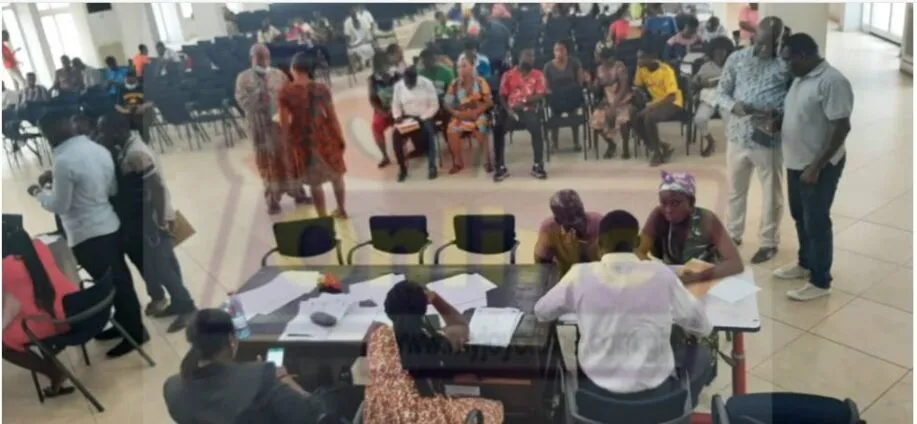
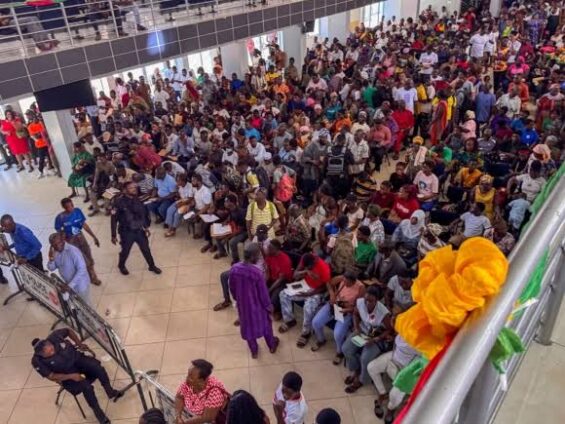
Despite GES's optimistic assessment, parents and guardians in key regions have reported significant frustrations with the placement process. Resolution centres in Accra and the Ashanti Region have experienced particularly visible congestion and delays. However, Fenyi contended that isolated pockets of difficulty should not be interpreted as evidence of systemic failure.
He emphasised that a 95% efficiency rate cannot reasonably be characterised as a crisis, arguing that the system has successfully accommodated the vast majority of applicants. To address remaining technical challenges, human errors, and individual placement concerns, the GES has established 17 resolution centres nationwide. According to Fenyi, 15 of these centres are operating smoothly, with the two experiencing heavier traffic in Accra and Ashanti Region still processing cases.
Fenyi also dismissed suggestions that insufficient school capacity was driving placement delays. The GES has approximately 800,000 available spaces across senior high schools nationwide, considerably exceeding the demand of just over 600,000 students seeking senior high education. This surplus capacity suggests that supply is not the limiting factor in the placement process.
Why this matters for Ghana
The annual SHS placement exercise is a critical juncture for hundreds of thousands of Ghanaian families. Delays or perceived failures in the system directly affect students' educational trajectories and can generate anxiety among parents already navigating a competitive admission process. The tension between the GES's claims of success and parents' reported frustrations highlights potential communication gaps between government agencies and the public.
If placement concerns are genuinely localised rather than nationwide, improved public communication from GES could help manage expectations and reduce unfounded alarm. Conversely, if significant numbers of students remain unplaced or dissatisfied, transparent acknowledgement and swift resolution would reinforce public trust in the education system. The ongoing debate also underscores broader questions about the reliability and transparency of Ghana's education technology infrastructure, particularly as the nation continues to digitise critical educational processes.
The GES has reiterated its commitment to resolving all outstanding cases through the designated resolution centres, asking stakeholders to allow the system to complete its work before rendering final judgement.
Source: MyJoyOnline



Comments (0)
Be the first to comment.