Ghana's SHS Placement Crisis: 54,000 Students Still in Limbo as Schools Reopen
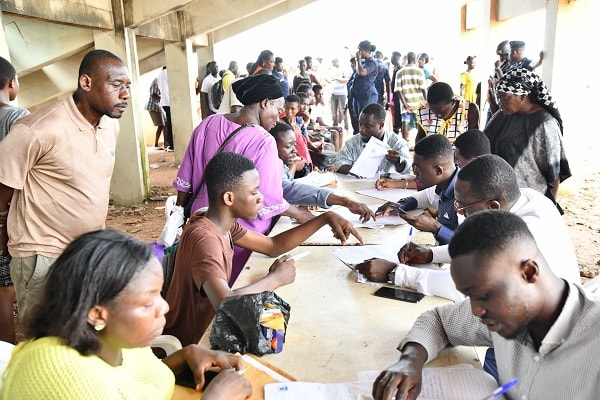
Ghana's annual Senior High School placement process has descended into chaos once again, leaving approximately 54,000 students and their parents in a state of anxiety as the school calendar reopens on 18th September. Despite the Ghana Education Service successfully placing 527,932 candidates—87.3 per cent of the 604,567 who qualified—the unresolved cases have sparked public outcry, property destruction at resolution centres, and renewed scrutiny of the Ministry of Education's digitalised system.
The Scale of the Problem
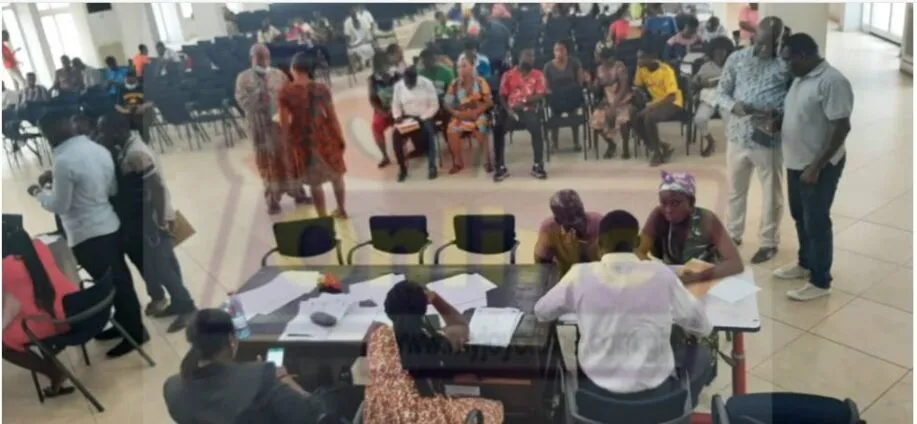
The magnitude of placement errors has overwhelmed the Computerised School Selection and Placement Resolution Centre established at the Teachers' Hall in Accra and other locations nationwide. Parents and students have reported being queued from dawn, desperate to resolve critical issues before schools reopen. The frustration boiled over during the first days of the crisis, with reports of angry individuals breaking windows and doors at the resolution centre—a stark reflection of how strained the situation has become.
The errors catalogued by affected families reveal systemic gaps in the placement algorithm: students assigned to day schools located miles from their homes; others placed in boarding institutions they never selected; subjects mysteriously altered in their assignment letters; and candidates receiving schools they explicitly did not request. These are not minor clerical oversights—they represent fundamental failures in a process that directly affects the educational futures of Ghana's youth.
Why It Matters for Ghana
This recurring crisis reflects a deeper problem in Ghana's education infrastructure. The transition from Junior High School to Senior High School is among the most critical junctures in a Ghanaian student's academic journey, determining not only where they study but their entire learning environment—boarding versus day attendance, subject availability, and social development. When the system fails at this scale, it disrupts not just individual families but the entire academic calendar.
The fact that this situation repeats annually raises fundamental questions about institutional accountability. The Ministry of Education has invested in a computerised system specifically designed to eliminate human error and inefficiency, yet the problems persist and even compound. Each year, thousands of students face preventable delays and distress. The psychological toll on young people awaiting their placement status just days before school reopens cannot be underestimated.
Beyond the immediate impact on students, this crisis signals to Ghanaian parents and the public that critical education systems may not be as reliable as promised. In a country where education is viewed as the pathway to opportunity, such systemic failures erode public confidence and raise questions about governance and planning within the education sector.
Moving Forward
While the Ghana Education Service deserves acknowledgement for the successful placement of nearly 88 per cent of candidates, the remaining 54,000 cases cannot be dismissed as an acceptable margin of error. The urgency is particularly acute now—with schools reopening imminently, unresolved students face the prospect of missing their first weeks of classes or being arbitrarily assigned to unsuitable institutions.
The critical questions now facing the Ministry of Education are straightforward: Why do these errors occur so consistently? Is the online placement algorithm fundamentally flawed? Are there insufficient checks and balances before assignments are finalised? What remedial measures can prevent this from happening in 2025?
The Ministry must conduct a thorough audit of both the technical infrastructure and operational processes. Whether the fault lies in data input, algorithmic design, or inadequate verification protocols, it must be identified and corrected. Additionally, contingency planning must improve—resolution centres should be better resourced and prepared to handle such crises before they escalate into property damage and public anger.
Ghana's education system deserves administrators and systems worthy of its aspirations. Until the school placement process becomes reliably smooth—as it genuinely should be—thousands of families will continue to face unnecessary anxiety at the start of each academic year.
Source: MyJoyOnline


Comments (0)
Be the first to comment.