Catholic Bishops demand transparency as SHS placement system faces credibility crisis
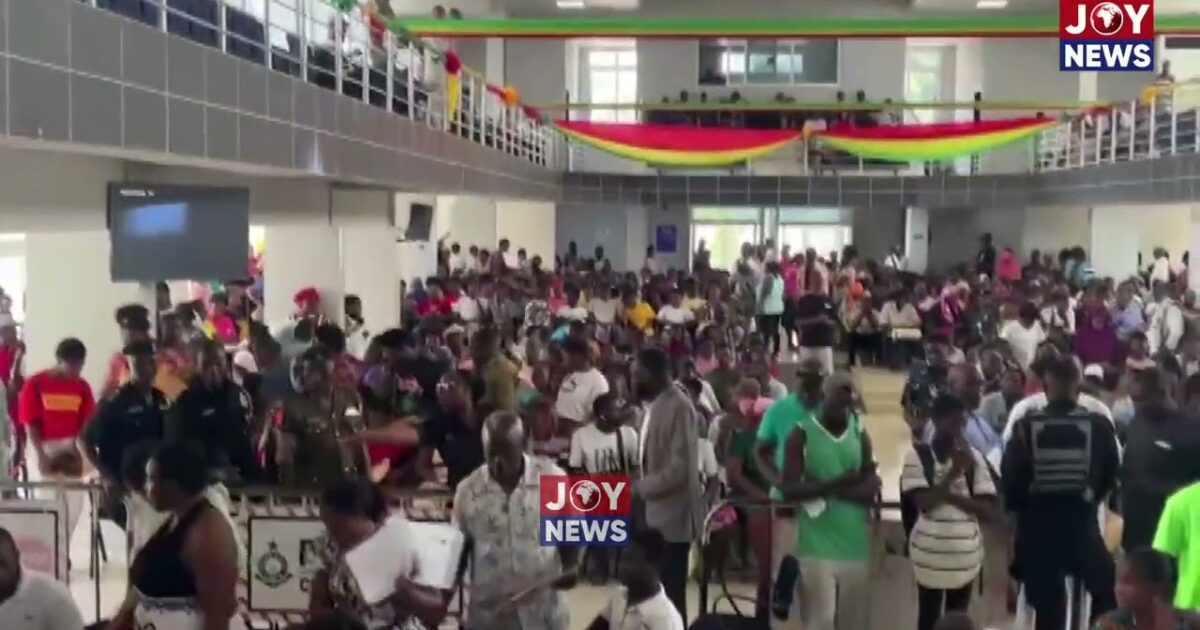
Ghana's Catholic Bishops' Conference has escalated pressure on the government to overhaul the senior high school placement system, citing growing public concerns about fairness and allegations of corrupt admissions practices that threaten confidence in the computerised selection process.
In a statement released on Monday, the Bishops demanded that authorities provide full transparency on discretionary admissions arrangements, including their legal basis, the number of places reserved, selection criteria and officials responsible for the process.
The Corruption Concern
The Catholic leadership expressed particular alarm at reports that parents are being asked to pay money to secure placements for their children in sought-after schools. Since placement is meant to be a free service, the Bishops argued that any official, agent or intermediary requesting payment should face investigation, disciplinary action and potential criminal charges where warranted.
This year, 604,567 candidates qualified for placement, with 527,932 successfully placed when results were released. However, the Bishops cautioned that unproven allegations should not unfairly damage the reputations of honest civil servants executing the process.
Beyond financial demands, the Conference raised concerns about students being placed in schools unsuitable for their sex, disability, circumstances or geographical location. They called for genuine placement errors to be corrected quickly through accessible channels, with priority given to cases involving disability, medical needs and serious distance difficulties.
Why it matters for Ghana
The Bishops' intervention carries significant weight in Ghana's education sector, where mission schools—particularly Catholic institutions—educate thousands of students annually. The placement system's integrity is foundational to meritocratic access to quality secondary education, a cornerstone of Ghana's development agenda.
If protocol admissions and corrupt payment schemes are occurring unchecked, they undermine the principle that academic merit should determine who attends which school. This erodes public trust in government institutions and creates unfair advantage for wealthy families, potentially widening educational inequality. For students from disadvantaged backgrounds, a compromised placement system denies them legitimate pathways to better schools and improved life prospects.
The Bishops' call for independent technical experts to examine the system and publish findings signals that education stakeholders are losing confidence in internal government oversight.
The Way Forward
The Catholic leadership has proposed several reforms: a stronger appeals process with clear procedures and time limits, clearer public communication about how examination scores, programme choices and available places determine outcomes, and independent review of the entire system.
The Bishops also renewed their push for a long-delayed agreement between government and churches on mission school management. They reaffirmed their decision to reserve 20% of annual admissions to Catholic schools for Catholic candidates, but insisted any such arrangement must be transparent, audited annually and strictly prohibit payment exchanges.
The Conference stressed that the ultimate goal should be a placement system where merit, student choice, fairness and the child's wellbeing—not connections or money—determine admission decisions.
Source: MyJoyOnline


Comments (0)
Be the first to comment.