Kwadaso Assembly gifts 200 SHS students mattresses and food containers to ease school costs
-800x436.webp)
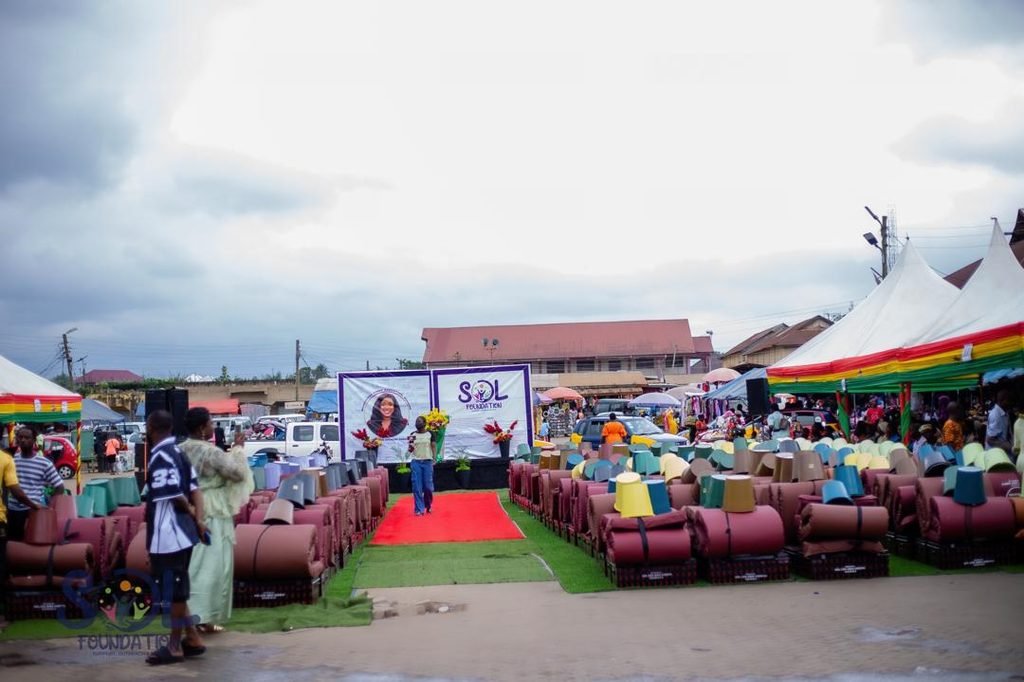
The Kwadaso Municipal Assembly has distributed mattresses and chop boxes to 200 newly enrolled secondary school students, in a move aimed at easing the financial burden on families struggling with ancillary costs despite the government's Free Senior High School programme.
According to Kwadaso Municipal Chief Executive Eric Assibey, the donation represents the Assembly's commitment to complementing national education policy by addressing real obstacles that prevent disadvantaged students from fully benefiting from free secondary education. While tuition and core learning materials are covered under the Free SHS initiative, families still shoulder significant expenses for bedding, food storage, uniforms, and transportation.
Closing the gap in free education support
Ghana's Free SHS programme, launched in 2017, eliminated tuition fees and provided textbooks to all eligible students. However, implementation has revealed persistent challenges: many families cannot afford the hidden costs that accompany secondary schooling, forcing talented students to drop out or underperform academically. Items like mattresses and food containers, whilst seemingly basic, directly impact student welfare and academic focus.
Kwadaso's intervention recognises that true educational access extends beyond classroom fees. Students who lack proper sleeping arrangements or adequate food storage facilities face health risks and nutritional challenges that undermine learning outcomes. By targeting 200 students—likely those identified as most vulnerable—the Assembly demonstrates how local government can step into gaps left by national policy implementation.
Why this matters for Ghana
Ghana's education sector continues grappling with equity challenges despite substantial public investment. While the Free SHS programme has increased enrolment, dropout rates remain high in poorer communities, with family poverty cited as a leading cause. Initiatives like Kwadaso's show how decentralised governance can tailor support to local needs, where municipal assemblies understand their communities' specific struggles better than central authorities.
This approach also sets a potential model for other assemblies. If replicated across Ghana's 16 regions, such targeted support could significantly improve student retention and academic performance, particularly in rural and peri-urban areas where poverty remains endemic. The psychological benefit of such donations should not be underestimated either—students who feel their government cares about their welfare often demonstrate improved motivation and school attendance.
Beyond the immediate recipients, the initiative reflects growing recognition that educational transformation requires multi-layered support. Government cannot achieve education targets alone; local assemblies, NGOs, and community organisations must each play their part. As Ghana aspires to meet its Sustainable Development Goal targets on quality education, stories of local leadership in addressing student welfare become increasingly important for sustained progress.
Source: 3News


Comments (0)
Be the first to comment.