Stop Competing with Babies for Breast Milk, Public Health Chief Tells Ghanaian Men
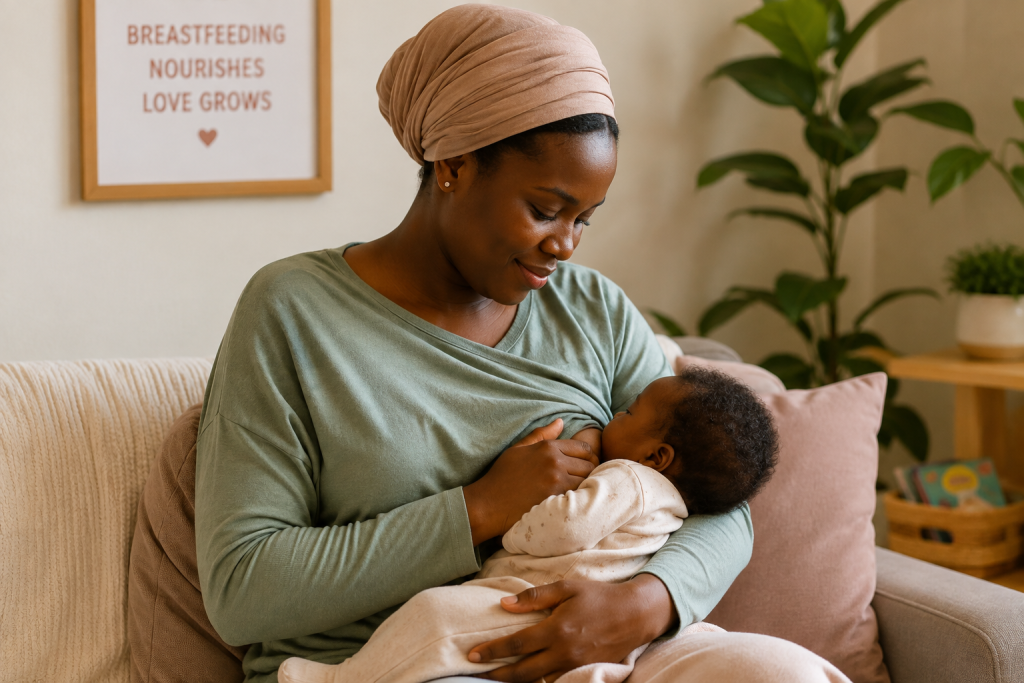
A senior public health official in Ghana has issued a frank call to Ghanaian men to step back from intimate contact with their wives' breasts during the critical breastfeeding period, emphasising that breast milk should be exclusively reserved for infants.
Lydia Owusu Ansah, Head of Public Health at Manhyia Government Hospital in Kumasi, made the appeal whilst stressing the irreplaceable role of breast milk in a child's early development. She acknowledged that men may engage physically with the breast, but underscored that the nutritional content must remain prioritised for babies during their most vulnerable months.
"When your wives give birth, leave the breast to the child. Yes you can play with it if you so wish however, the milk is for the baby," Madam Owusu Ansah said in an interview with OTEC News.
Why Exclusive Breastfeeding Matters for Ghana
Madam Owusu Ansah's intervention reflects ongoing public health concerns in Ghana around infant mortality and malnutrition. Breast milk is recognised globally as the gold standard for infant nutrition, containing antibodies, proteins, and fats precisely calibrated to support newborn development. In Ghana, where access to clean water and affordable formula remains inconsistent in many communities, exclusive breastfeeding for the first six months of life can be lifesaving.
The World Health Organisation recommends exclusive breastfeeding until six months of age, followed by continued breastfeeding alongside appropriate complementary foods. For Ghanaian families with limited resources, this natural nutrition is often more reliable and safer than purchased alternatives. Beyond nutrition, breastfeeding strengthens the immune system, reducing vulnerability to infections—a critical advantage in environments where healthcare access may be delayed or limited.
Creating a Supportive Environment at Home
Madam Owusu Ansah did not place blame solely on men, instead framing the issue as one requiring household commitment. She called on families and husbands to create supportive environments that enable mothers to breastfeed exclusively and comfortably. This includes practical measures such as ensuring mothers have adequate rest, nutrition, and privacy during feeding, as well as emotional support during the often challenging early weeks of motherhood.
Her message reflects a broader shift in public health messaging across Ghana, where healthcare workers increasingly recognise that improving infant outcomes requires engaging fathers and male partners. Men who understand the health benefits of exclusive breastfeeding are more likely to protect their wives' feeding time and discourage early introduction of formula or other foods that can undermine lactation.
Implications for Ghana's Health Agenda
Ghana has made significant progress in reducing infant mortality over the past two decades, but challenges remain, particularly in rural areas. Statements like Madam Owusu Ansah's reflect healthcare providers' commitment to leveraging evidence-based practices to improve outcomes. When men actively support breastfeeding—by recognising its priority, reducing competing demands on mothers, and enabling feeding on demand—infant health improves measurably.
Public health experts in Ghana continue to emphasise that reducing childhood malnutrition and preventable illnesses requires whole-family engagement. Madam Owusu Ansah's candid appeal, though phrased with humour, addresses a real barrier to optimal infant feeding: competing interests for mothers' time and physical attention during a critical window.
Families seeking to follow these recommendations should engage with their local health clinics, where nurses and midwives can offer personalised breastfeeding support and monitor infant growth during the crucial first months.
Source: The Ghana Report




Comments (0)
Be the first to comment.