
Sexual abuse is never the survivor's fault, advocate reminds Ghana amid Obuasi school crisis
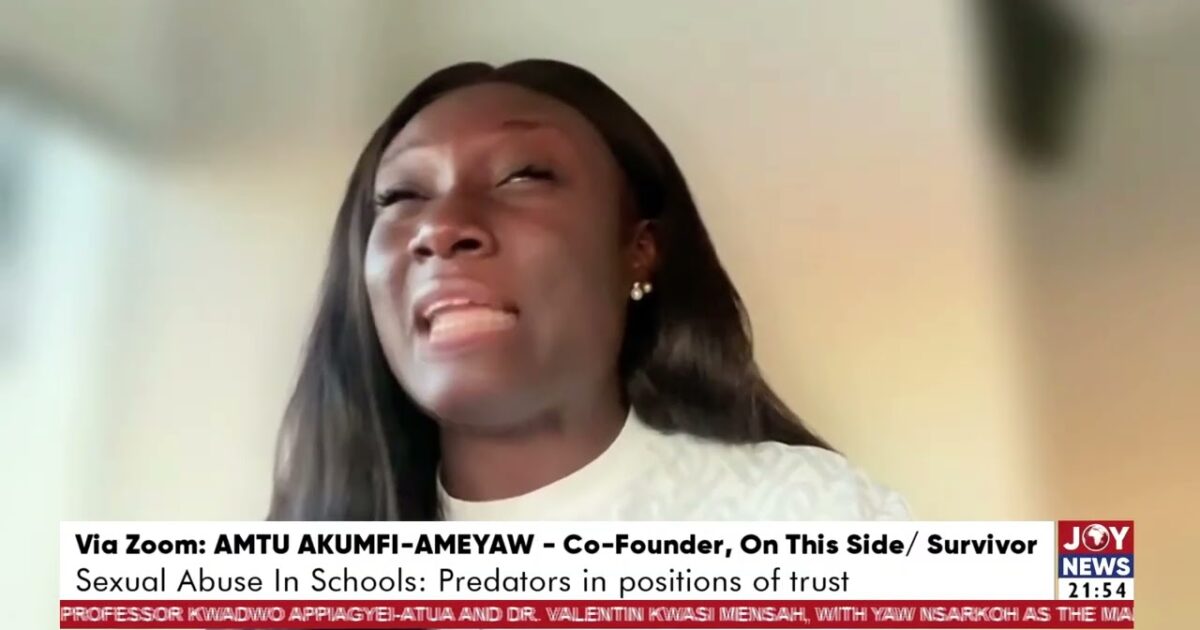

An advocate for sexual abuse survivors has delivered a stark message to Ghana: victims must never carry the burden of shame for crimes committed against them. Amtu Akumfi-Ameyaw, co-founder of On This Side, an organisation supporting survivors, emphasised that responsibility for abuse rests entirely with perpetrators and the adults tasked with protecting children.
Speaking on Joy News' PM Express, Akumfi-Ameyaw directed her message at survivors themselves, carers, and parents who experienced abuse in childhood. "If you're a survivor listening to me today, if you have a child that's a survivor, if you have happened to become a parent yourself and you were a survivor when you were a lot younger, this is a reminder that it is never your fault," she said.
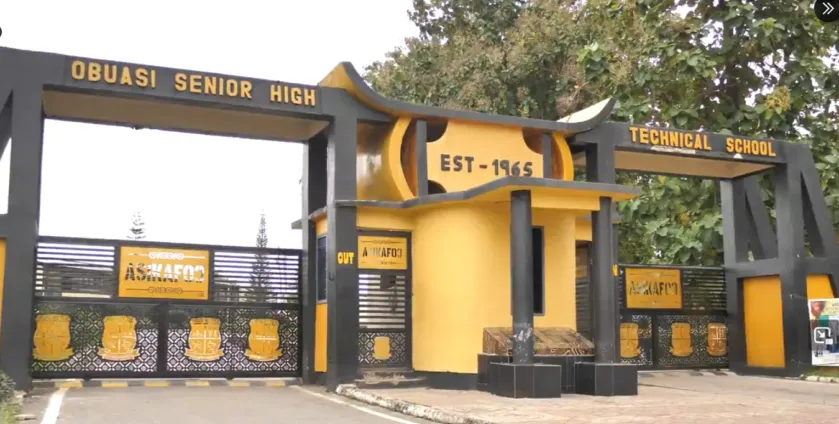
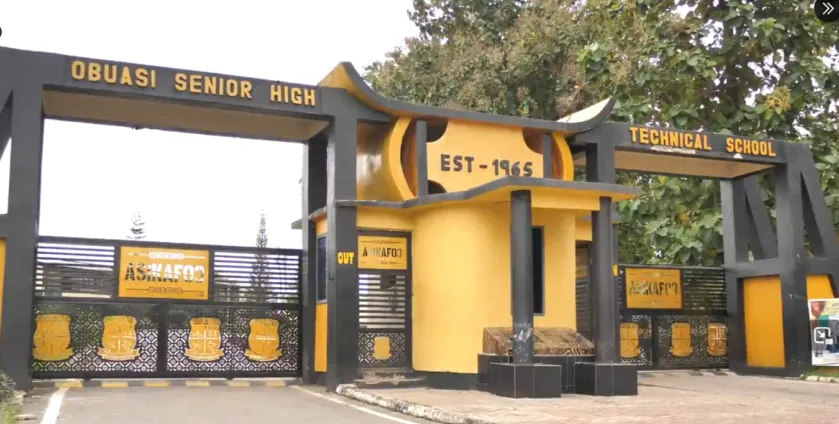
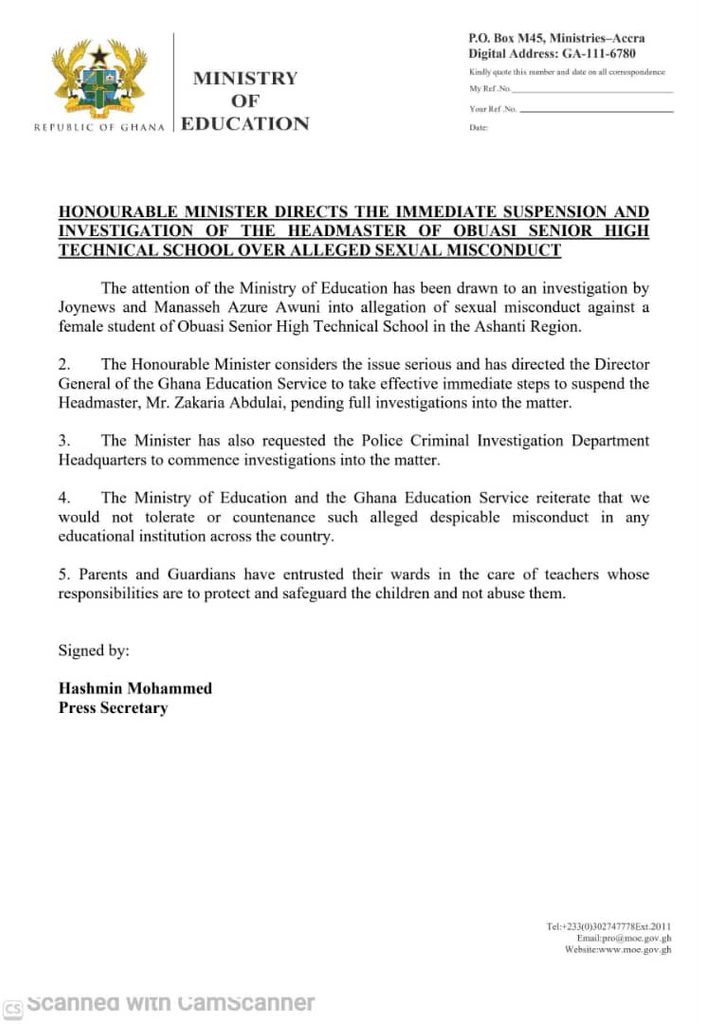
Her intervention comes as Ghana confronts a significant child protection crisis following allegations of sexual abuse at Obuasi Senior High Technical School. The school's headmaster, Zakaria Abdulai, has been interdicted by the Ghana Education Service and arrested by police whilst investigations continue. The case gained national prominence following investigative journalism by JoyNews correspondent Manasseh Azure Awuni.
Abuse extends beyond high schools
Akumfi-Ameyaw stressed that sexual abuse is not confined to senior high schools, revealing that her organisation handles cases involving primary and junior high school students. She highlighted a colleague who was abused in a classroom at age eight, now studying at tertiary level, and referenced a separate conviction case involving a 12-year-old victim where the perpetrator was someone close to the family.
The advocate also noted that teachers themselves have been implicated in abuse cases, underscoring how authority figures in positions of trust routinely betray the children under their care. These examples demonstrate the pervasive nature of the problem across Ghana's education system and broader society.
Akumfi-Ameyaw emphasised that adults bear a non-negotiable duty to protect children. "Adults are supposed to be responsible. Adults are supposed to protect you and make sure that you are safe. So it is never your fault that they abused you," she stated, placing accountability squarely where it belongs—with those in positions of authority and guardianship.
Why it matters for Ghana
This message arrives at a critical moment for Ghana's child protection framework. The Obuasi case has exposed vulnerabilities in school oversight and institutional accountability. Beyond this specific scandal, Akumfi-Ameyaw's broader point reveals a systemic issue: many Ghanaian survivors internalise shame and remain silent, whilst perpetrators face minimal consequences.
The psychological toll of self-blame prevents survivors from reporting abuse, seeking justice, or accessing support. When entire communities reinforce victim-blaming narratives—questioning what a child wore, how they behaved, or why they didn't resist—the path to healing becomes even more treacherous. Ghana's education sector, family structures, and justice system must collectively reject these harmful narratives and centre survivor wellbeing.
Akumfi-Ameyaw also criticised inadequate institutional responses and called on those working to expose abuse to persist despite resistance. "Good girls don't get the jobs done. Only the people that are ready to take the risk and are ready to put their voices out there," she said, acknowledging that advocates and investigators face pushback from those seeking to protect abusers.
For Ghana to protect its children effectively, society must shift from blaming survivors to strengthening safeguards, training teachers and officials, investigating rigorously, and prosecuting perpetrators swiftly. Survivors need reassurance, access to counselling, and a guarantee that speaking out will lead to justice rather than further victimisation.
Source: MyJoyOnline


Comments (0)
Be the first to comment.