
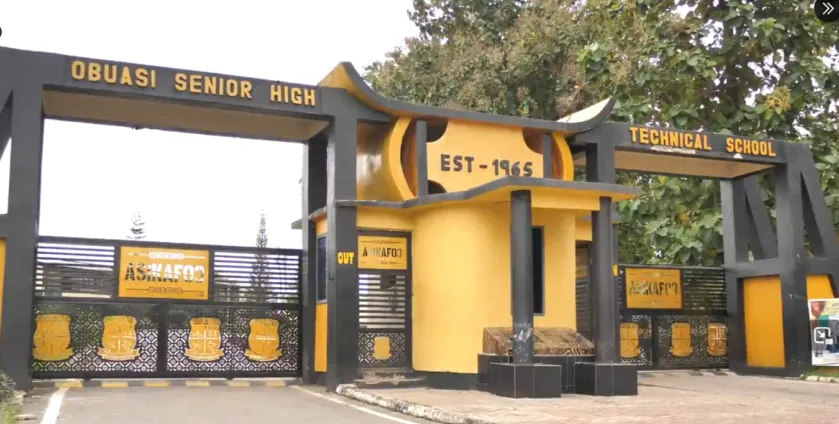
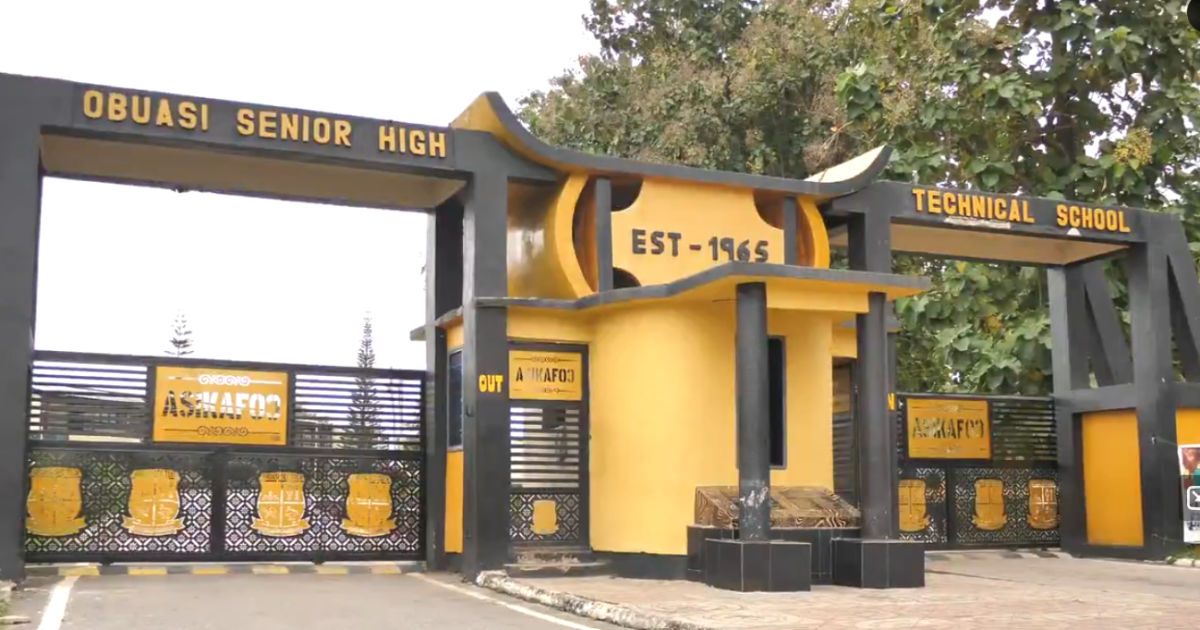
Obuasi School Crisis Deepens: 38 Teachers Sacked After Speaking Out Against Headmaster

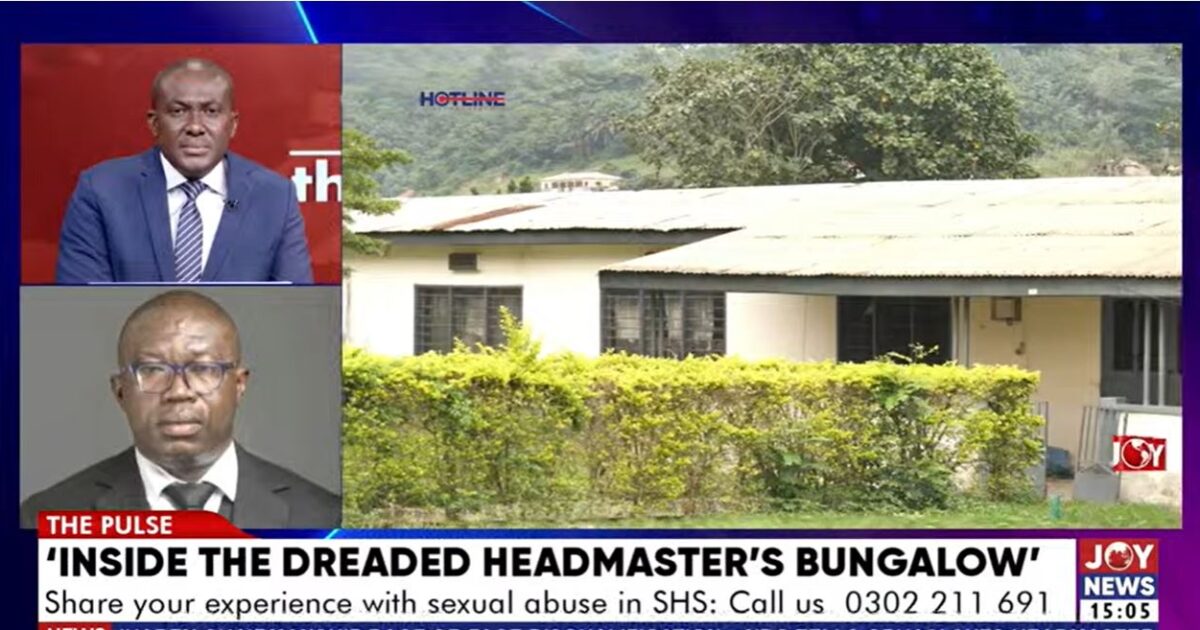
A major controversy has erupted at Obuasi Senior High Technical School following allegations that 38 teachers were forced to leave the institution after criticising the headmaster, Zakaria Abdulai. The expulsions reportedly coincide with ongoing investigations into claims of sexual abuse involving female students, raising serious concerns about institutional accountability and the suppression of whistleblowing within Ghana's education sector.
Jacob Anaba, President of the National Association of Graduate Teachers (NAGRAT), disclosed the allegations in an interview on Monday, October 19, questioning the circumstances and timing of the directive against the teachers. According to Anaba, the mass dismissals appear linked to the work of a fact-finding committee chaired by the district director of education, suggesting a coordinated effort to remove voices questioning the headmaster's conduct.
Abuse Allegations Date Back Years
The scandal extends far deeper than recent headlines suggest. Concerns about alleged sexual abuse at Obuasi SHTS were first raised by students and parents as early as 2025, long before the issue gained widespread public attention in August 2026. This timeline raises troubling questions about how long school authorities were aware of misconduct claims without taking decisive action.
Anaba criticised the delayed response from school leadership, arguing that earlier intervention could have prevented the situation from escalating to its current severity. The NAGRAT president emphasised that the education sector's failure to act swiftly on abuse allegations represents a fundamental breach of duty to protect vulnerable young people.
Calls for Accountability and Leadership Change
NAGRAT has demanded a thorough investigation into all aspects of the scandal, insisting that anyone found culpable face appropriate legal consequences regardless of their status or connections. Anaba specifically called for the immediate removal of Headmaster Zakaria Abdulai, arguing that if the allegations are substantiated, they would be fundamentally incompatible with the responsibilities entrusted to educators.
The NAGRAT president underscored a critical principle: teachers occupy positions of trust that demand they actively protect the welfare and dignity of students under their care. Failure to do so, or worse, perpetrating abuse, represents a profound breach of professional ethics.
The headmaster has been interdicted and suspended following recent revelations, though this action came only after sustained pressure and public scrutiny rather than through proactive institutional response.
Why It Matters for Ghana
This case exposes persistent weaknesses in Ghana's education system's safeguarding mechanisms. The dismissal of 38 teachers who dared speak out against misconduct sends a chilling message: criticising authority carries career-ending consequences, potentially discouraging future whistleblowing. This culture of silence threatens student safety across Ghana's schools.
The situation also highlights troubling intersections between politics and institutional accountability. Notably, the NDC has permitted Zakaria to contest for the party's chairmanship in the Juaben constituency in Ashanti Region, despite the serious allegations against him. As current secretary of his constituency, his political positioning raises questions about whether political connections shield individuals from accountability in Ghana's public institutions.
For Ghanaian parents and students, this scandal reinforces the need for stronger independent oversight of schools, confidential reporting mechanisms for abuse, and genuine whistleblower protections for staff who raise concerns. The education sector's credibility depends on swift, transparent action against misconduct and those who enable it—not on silencing those brave enough to speak up.
Source: The Ghana Report

Comments (0)
Be the first to comment.