
SEND Ghana Urges Government to Boost Social Sector Spending in 2027 Budget
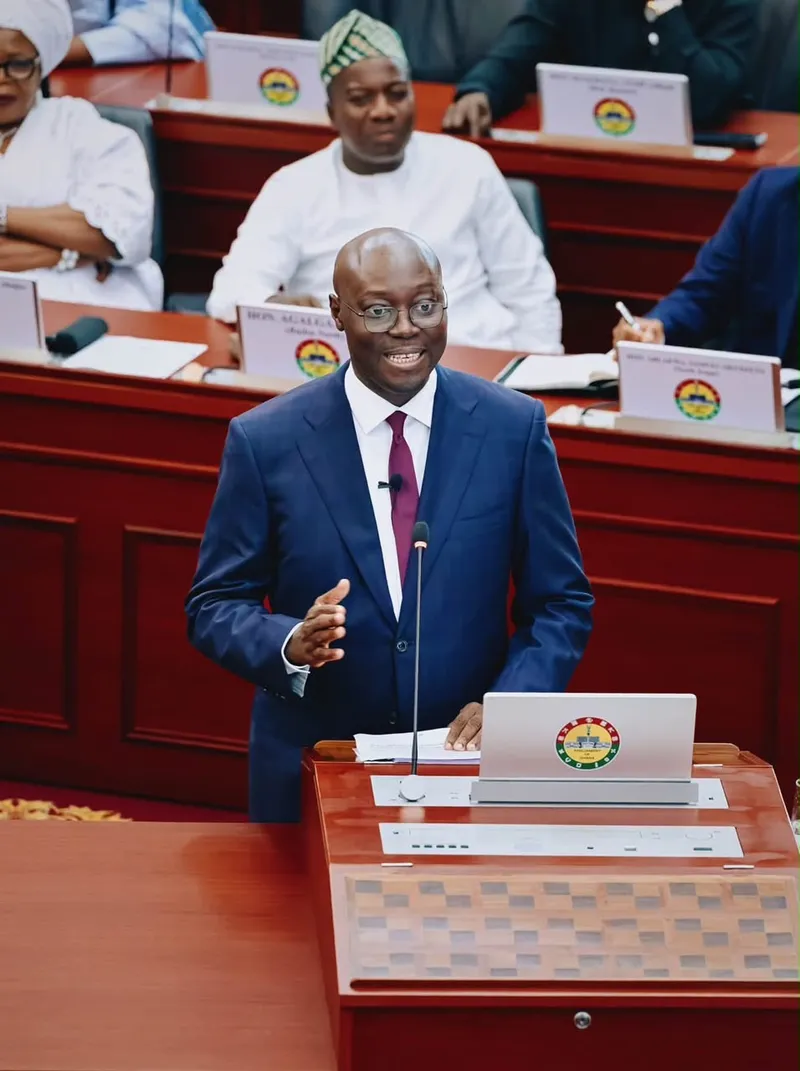

Civil society organisation SEND Ghana has formally called on the Ghanaian government to prioritise and increase funding allocations to the social sector as part of the 2027 national budget, arguing that greater investment in areas such as health, education, and social protection is essential for the country's development and the wellbeing of its most vulnerable citizens.
In its official assessment of the 2027 Budget, dated 18th November, SEND Ghana acknowledged that the government had taken on board some of the concerns raised during pre-budget engagements and citizen consultations — a process the organisation has consistently championed as a means of ensuring that ordinary Ghanaians have a voice in how public resources are allocated.
What SEND Ghana is asking for
While the organisation welcomed the government's responsiveness to earlier advocacy, it made clear that more still needs to be done. SEND Ghana's core demand centres on a substantial increase in budgetary allocations to the social sector, which encompasses critical areas including healthcare delivery, basic education, water and sanitation, and social protection schemes that serve low-income households and marginalised communities across the country.
The civil society group has long maintained that Ghana's social sector remains chronically underfunded relative to the scale of need. Despite progress made under various government programmes over the years, millions of Ghanaians — particularly in rural and peri-urban areas — continue to face barriers to quality healthcare, adequate schooling, and reliable social safety nets. SEND Ghana argues that the 2027 budget presents an opportunity to address these persistent gaps in a meaningful and sustainable way.
- SEND Ghana is calling for increased budgetary allocations specifically targeting health, education, and social protection.
- The organisation acknowledged some positive government responses to earlier citizen consultation processes.
- Advocates stress that vulnerable and low-income Ghanaians stand to benefit most from stronger social sector investment.
Why it matters for Ghana
Ghana is at a critical juncture in its fiscal management, having undergone a demanding debt restructuring process and an IMF-supported economic recovery programme. In this context, decisions about how to allocate public resources carry enormous weight. While fiscal consolidation remains a government priority, civil society groups like SEND Ghana are pushing back against the notion that austerity should come at the expense of the poorest and most vulnerable segments of the population.
Underfunding the social sector has real and measurable consequences. When health budgets are squeezed, facilities run short of medicines and equipment, and out-of-pocket costs rise for ordinary families. When education funding is insufficient, schools struggle to retain qualified teachers and maintain infrastructure. When social protection programmes are underfunded, households that have lost livelihoods or face chronic poverty have fewer buffers to fall back on.
SEND Ghana's pre-budget citizen consultations — which gather views from communities across different regions — provide a grassroots perspective that formal budget processes can sometimes overlook. The fact that the government acknowledged some of those inputs is seen as a positive sign, but advocates stress that acknowledgement must translate into concrete financial commitments in the final approved budget.
The broader context
Ghana has made notable strides in social sector programming over the decades, with flagship initiatives in areas such as the National Health Insurance Scheme, the School Feeding Programme, and the Livelihood Empowerment Against Poverty (LEAP) cash transfer programme. However, funding shortfalls, implementation challenges, and population growth have continued to strain these programmes.
As Parliament debates the 2027 budget, organisations like SEND Ghana are urging lawmakers and the Finance Ministry to treat social sector investment not as a discretionary expense but as a foundational requirement for inclusive and sustainable growth. The coming weeks will determine whether the government's budget allocations reflect the urgency that civil society groups and the communities they represent are calling for.
Source: 3News




Comments (0)
Be the first to comment.