Sammy Crabbe clarifies 2015 NPP suspension: constitutional principle, not Akufo-Addo opposition
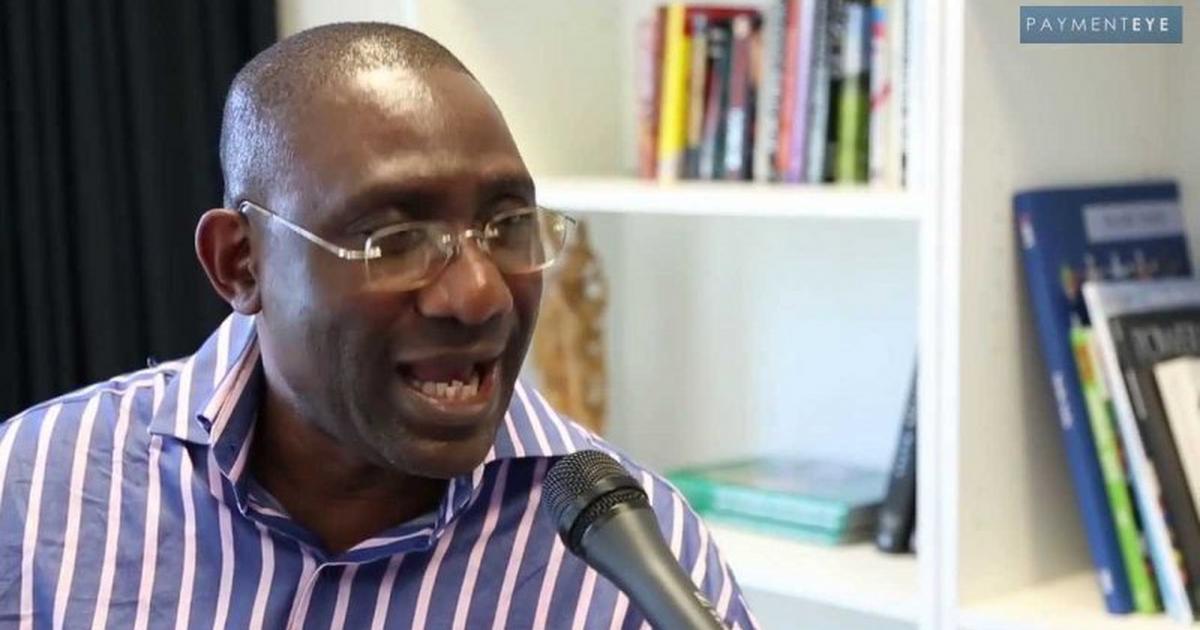
Sammy Crabbe, an aspirant for the New Patriotic Party National Chairmanship, has clarified the circumstances surrounding his suspension over a decade ago, rejecting suggestions that his actions were motivated by opposition to Nana Akufo-Addo or factional politics within the party. In an interview on Citi FM on Wednesday, August 26, 2026, Crabbe explained that his challenge to the suspensions of then-NPP Chairman Paul Afoko and General Secretary Kwabena Agyepong was rooted in a principled constitutional stand.
The constitutional challenge
As NPP Vice Chairman in 2015, Crabbe took issue with the manner in which Afoko and Agyepong were suspended, arguing that the party had not followed its own constitutional procedures. His core contention was procedural: that elected party officers could not be lawfully removed through the disciplinary process, regardless of the allegations against them.
"I did not go in support of my chairman. I went to protect the constitution," Crabbe stated, emphasising that his objection was to the process rather than a defence of the individuals involved. He maintained that the NPP National Executive Committee and party council lacked the constitutional authority to remove elected officers through disciplinary channels, and that specific procedures outlined in the party constitution should have been followed instead.
"You can't use the disciplinary process to remove an officer. NEC cannot do it, council cannot do it. No, no, it's very clear in our constitution," he said during the interview.
Political perception versus constitutional principle
Crabbe acknowledged that his actions in 2015 could easily have been misinterpreted as factional alignment, particularly given the political tensions within the NPP at the time. However, he insisted that political considerations played no role in his decision. He emphasised that as an elected party officer, he had a constitutional obligation to uphold the party's governing document, regardless of who benefited or suffered from that stance.
"I'm so happy that I said and did what I did because that's exactly what they did," Crabbe remarked, suggesting that his principled position has since been validated by events or precedent within the party.
Why it matters for Ghana's political landscape
Crabbe's clarification touches on a critical issue in Ghanaian politics: the importance of constitutional governance within political parties themselves. The tension between party leadership authority and respect for written constitutional procedures speaks to broader questions about internal party democracy and the rule of law that extend beyond the NPP.
For Ghana's political parties, which often struggle with internal discipline and factional conflicts, disputes over whether disciplinary measures have followed proper constitutional channels can become sources of deep divisions. Crabbe's argument that elected party officers have security of tenure unless removed through specified constitutional procedures—rather than through general disciplinary mechanisms—raises important questions about how political parties should govern themselves.
As Crabbe positions himself for the NPP National Chairmanship, his framing of the 2015 incident as a stand for constitutional principle rather than factional politics may resonate with party members concerned about internal governance. His contention that unauthorised suspension of elected officers creates a dangerous precedent for arbitrary disciplinary action addresses a vulnerability that could affect any party member who falls out of favour with the leadership.
Whether Ghanaian political parties develop clearer, more transparent procedures for removing elected officials—and whether they consistently respect the constitutional boundaries between disciplinary and removal processes—could have implications for party stability and, ultimately, for Ghana's democratic health.
Source: MyJoyOnline

Comments (0)
Be the first to comment.