
Road Access and Land Encroachment Stalling Ghana's Major Real Estate Projects
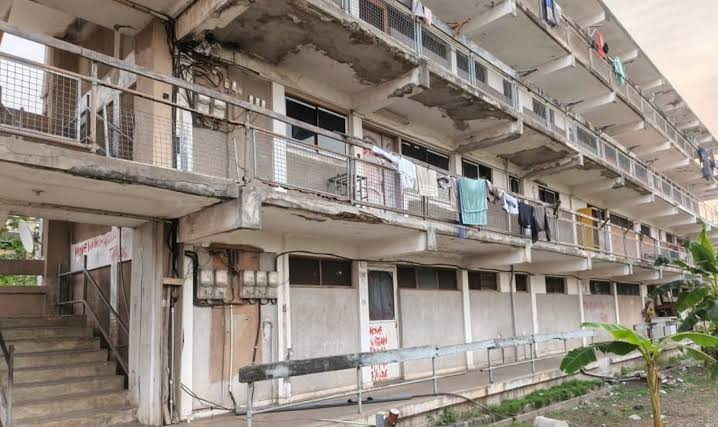

Ghana's Tema Development Corporation is grappling with significant infrastructure and land management challenges that are hampering its ability to expand commercial real estate projects across the country. Poor road access to designated development lands and ongoing encroachment issues have emerged as critical obstacles threatening the corporation's ambitious timeline to deliver housing and commercial facilities.
According to Dorothy A. Asare-Kumah Adolf, Head of Corporate Planning and Communications at TDC, the lack of adequate road infrastructure to several parcels of company land is directly impeding plans to establish shops, offices and other commercial infrastructure. These challenges come at a time when Ghana faces an acute housing shortage and the government is actively seeking solutions to meet the nation's accommodation needs.
TDC's Development Timeline and Scope
The corporation is working towards a March 2027 completion date for its current construction projects, with finishing works expected thereafter. Beyond housing delivery, TDC's expansion strategy encompasses providing diverse residential accommodation options within its operational areas and establishing commercial facilities that would generate revenue and create economic activity. The agency views addressing these infrastructure gaps as essential to unlocking the full potential of its property portfolio and creating conditions attractive to private investors.
The challenges facing TDC are not isolated concerns but reflect broader infrastructure deficits affecting development across Ghana. Roads serving development zones must meet minimum standards to facilitate construction, enable utilities connection and support ongoing commercial operations. Without these foundations, even well-located land becomes difficult to monetise effectively.
Why This Matters for Ghana
TDC's struggles highlight a systemic problem constraining Ghana's housing delivery and urban development agenda. The government has made addressing the national housing deficit a priority, with the Works and Housing Minister now pushing for a national housing fund as part of efforts to meet United Nations Sustainable Development Goal 11 on sustainable cities and communities by 2030. However, progress depends on removing practical barriers like those TDC currently faces.
When state-owned development corporations cannot effectively utilise their land assets due to infrastructure deficits, the entire development pipeline suffers. This creates a cascading effect: fewer housing units completed, reduced commercial activity, lost investment opportunities and slower urban growth. For a country with Ghana's rapid urbanisation, such delays have real consequences for citizens seeking affordable accommodation and businesses needing commercial space.
The Ministry of Works, Housing and Water Resources is currently conducting a broader review of agencies under its purview, identifying operational gaps and designing targeted interventions. TDC's specific challenges with road access and land encroachment appear to be central focus areas in this assessment. Solutions might include government investment in feeder roads, deployment of land administration resources to combat encroachment, or establishing clearer protocols for infrastructure provision before land release for development.
The corporation's engagement with ministerial leadership represents an opportunity to translate identified problems into concrete policy responses and resource allocation. Success in resolving TDC's current obstacles could provide a template for addressing similar challenges across Ghana's development landscape.
Source: MyJoyOnline




Comments (0)
Be the first to comment.